Kochi Metro Phase Three DPR Proposes Direct Airport Link
RAILWAYS & METRO RAIL

Kochi Metro Phase Three DPR Proposes Direct Airport Link

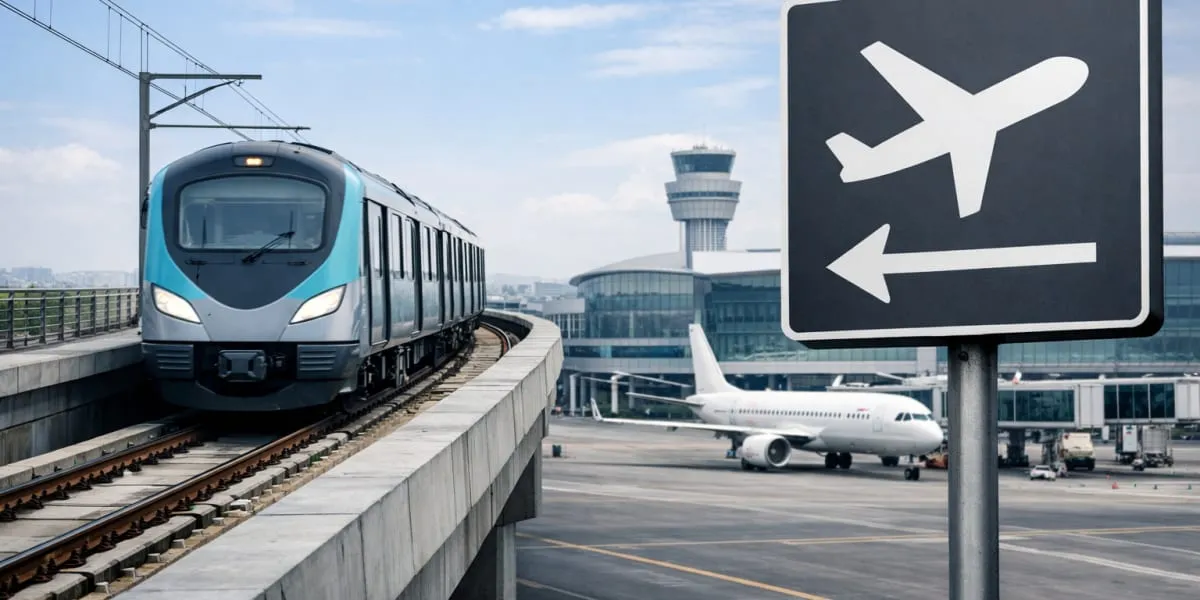
The detailed project report for Kochi Metro Phase three envisages a 17.5 km line from Aluva to Karayamparambu with a direct link to Kochi airport and provisions for airport check-in at select stations. The alignment will pass through Kariyad, Nayathode, Kavarapparambu and Arikkal Junction and will terminate at Karayamparambu in Angamaly, while excluding direct connectivity to Angamaly railway station. The DPR lists fifteen stations including Thottakkattukara, Kunnampuram, Parambayam, Nedumbassery, Athani and an Airport Railway Station.

Cochin International Airport Ltd has held discussions with Kochi Metro Rail Ltd on the preferred location for the airport metro station and officials have identified land in front of the Taj Hotel between the international and domestic terminals as most suitable. The proposal includes provision of an escalator linking the metro station with the airport and a connection to the airport railway station to facilitate transfers between air and rail networks. Around 20 cents of CIAL land is reported to be earmarked for the project.

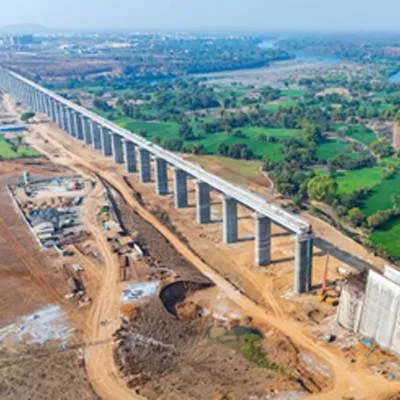
The DPR proposes measures to increase train frequency during peak hours and to reduce headway to align with flight schedules to provide more convenient airport connectivity. Unlike Phase two, the report specifically incorporates parking facilities at proposed stations and considers an elevated viaduct as the most economical option for the corridor. An underground stretch near the airport is included only as a reference option and is not the preferred alignment. Officials said routing the line to serve Angamaly railway station would necessitate a return to NH 544, lengthen the corridor and require additional land acquisition.

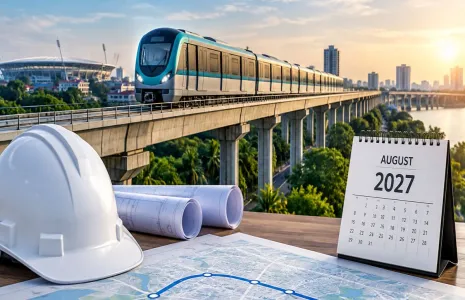
The project is targeted for completion by 2031, with land acquisition and pending approvals expected to begin in 2027 and the whole process anticipated to take four years. The Phase three cost is currently estimated at around Rs 70-80 billion (Rs 70-80 bn) while an underground stretch could add nearly Rs 20 billion (Rs 20 bn) to the project cost. The DPR identifies the present alignment as the shortest route to the airport and proposes station amenities to improve passenger convenience.

The detailed project report for Kochi Metro Phase three envisages a 17.5 km line from Aluva to Karayamparambu with a direct link to Kochi airport and provisions for airport check-in at select stations. The alignment will pass through Kariyad, Nayathode, Kavarapparambu and Arikkal Junction and will terminate at Karayamparambu in Angamaly, while excluding direct connectivity to Angamaly railway station. The DPR lists fifteen stations including Thottakkattukara, Kunnampuram, Parambayam, Nedumbassery, Athani and an Airport Railway Station. Cochin International Airport Ltd has held discussions with Kochi Metro Rail Ltd on the preferred location for the airport metro station and officials have identified land in front of the Taj Hotel between the international and domestic terminals as most suitable. The proposal includes provision of an escalator linking the metro station with the airport and a connection to the airport railway station to facilitate transfers between air and rail networks. Around 20 cents of CIAL land is reported to be earmarked for the project. The DPR proposes measures to increase train frequency during peak hours and to reduce headway to align with flight schedules to provide more convenient airport connectivity. Unlike Phase two, the report specifically incorporates parking facilities at proposed stations and considers an elevated viaduct as the most economical option for the corridor. An underground stretch near the airport is included only as a reference option and is not the preferred alignment. Officials said routing the line to serve Angamaly railway station would necessitate a return to NH 544, lengthen the corridor and require additional land acquisition. The project is targeted for completion by 2031, with land acquisition and pending approvals expected to begin in 2027 and the whole process anticipated to take four years. The Phase three cost is currently estimated at around Rs 70-80 billion (Rs 70-80 bn) while an underground stretch could add nearly Rs 20 billion (Rs 20 bn) to the project cost. The DPR identifies the present alignment as the shortest route to the airport and proposes station amenities to improve passenger convenience.

Related Stories

Gold Stories

Next Story
Infrastructure Urban

Welspun One unveils Diwali campaign for World Trade Center Thane

Welspun One has unveiled A Dream Diwali, a festive brand film promoting World Trade Center Thane, its proposed mixed-use development in the Mumbai Metropolitan Region (MMR). The campaign uses individual interpretations of an ideal Diwali to introduce the experiences and offerings planned at the development.The film follows different characters as they share their festive wishes and go about activities such as shopping, meeting friends, playing games and spending time with family. Through these everyday moments, the campaign presents the idea that celebrations are personal and that different ge..
Next Story
Equipment

BorgWarner secures three turbocharger contracts with global powertrain leader

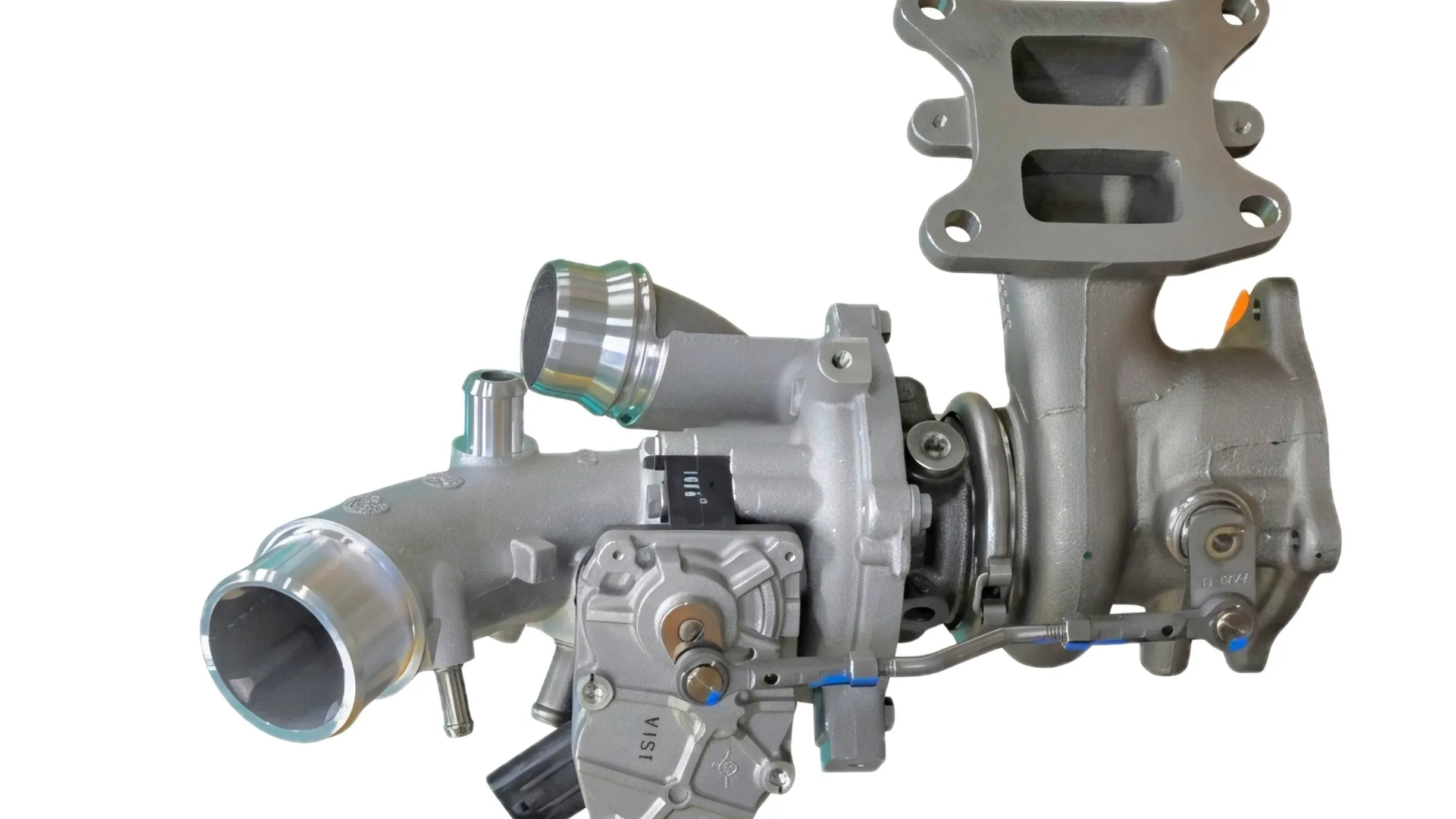
BorgWarner has secured three new turbocharger contracts with a global powertrain technology company. The wins comprise one contract for its variable turbine geometry (VTG) turbocharger and two for its wastegate turbocharger. The technologies will be deployed in the customer's light-vehicle gasoline platforms in South America and Europe, with production scheduled to begin in 2027.The VTG turbochargers are designed for gasoline engines operating under demanding conditions and high-boost pressure requirements. They are engineered to support Miller-cycle engines and withstand exhaust temperatures ..
Next Story
Infrastructure Transport

International Digi Yatra Trials Begin at Seven Airports

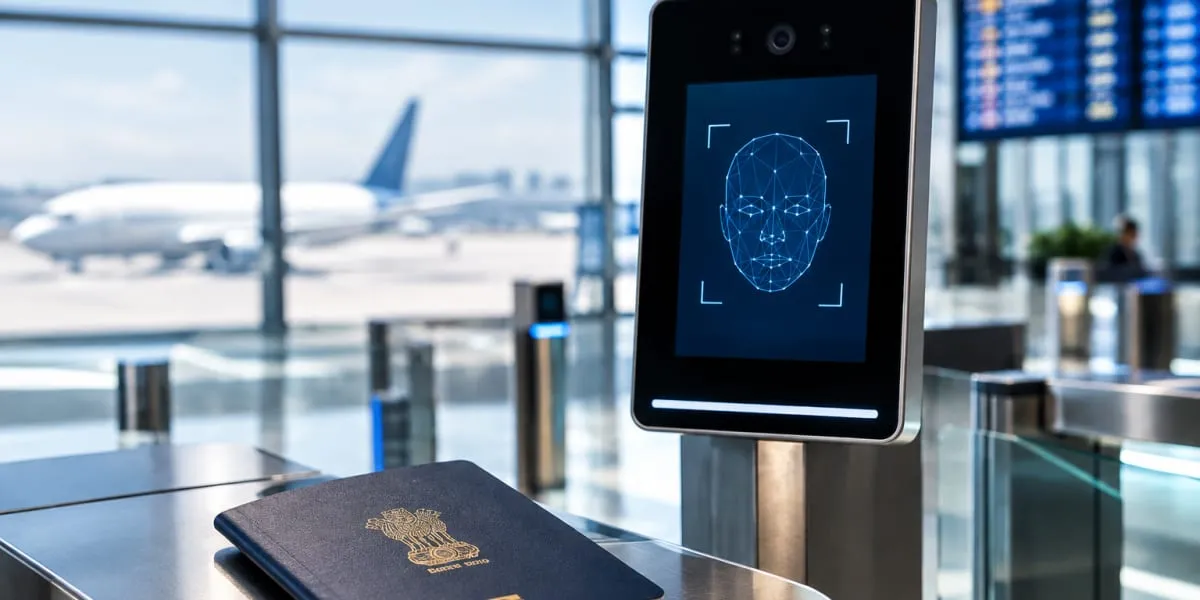
India has begun trials of Digi Yatra for international passengers at seven airports, allowing eligible Indian passport holders to use facial recognition at selected airport checkpoints. The facility is currently limited to Indian nationals with e-passports travelling on selected international flights operated by Air India and IndiGo. The Civil Aviation Ministry announced the trials on 1 November, with testing scheduled through December 2026. A wider rollout is expected in 2027 after the ministry assesses passenger feedback gathered during the trial period, according to PTI. The system is inten..

Advertisement

Subscribe to Our Newsletter

Get daily newsletters around different themes from Construction world.

STAY CONNECTED

Advertisement

SPECIAL OFFER
QR Code