Proposed 18 km Metro 12A To Improve Kalyan-Dombivli Connectivity
RAILWAYS & METRO RAIL

Proposed 18 km Metro 12A To Improve Kalyan-Dombivli Connectivity

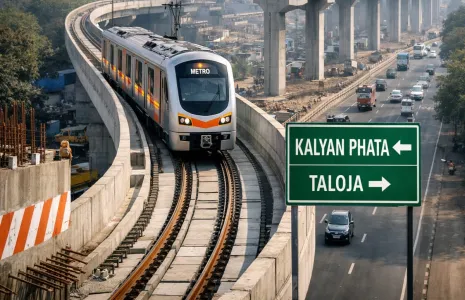
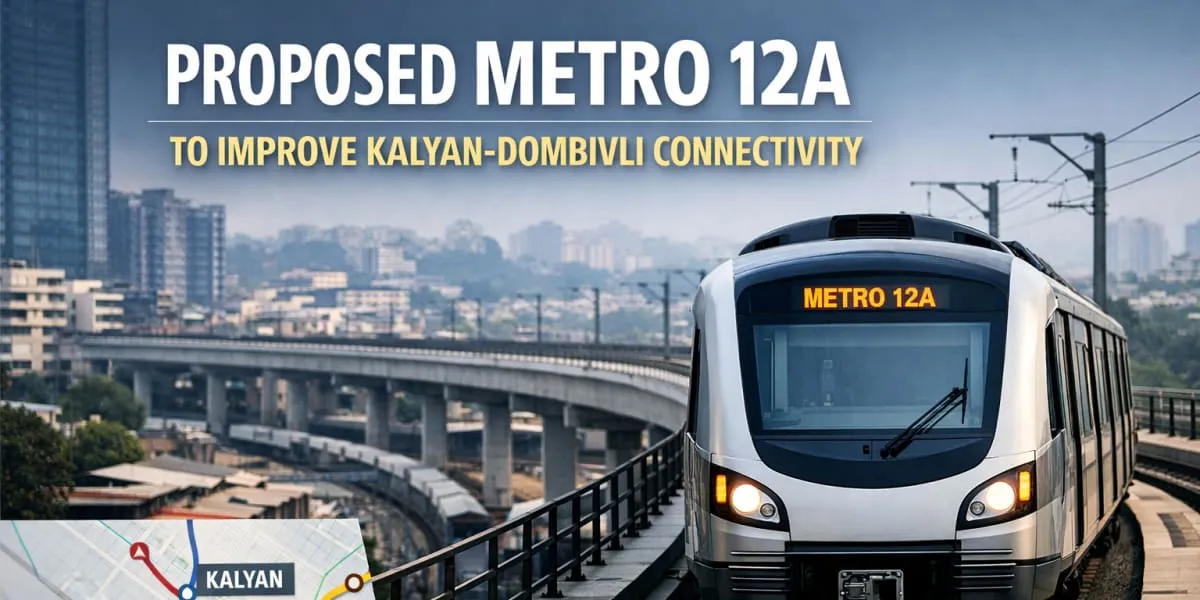
The proposed Metro 12A, an 18 km corridor, is intended to improve connectivity across the twin cities of Kalyan and Dombivli in the Mumbai metropolitan area. Planners expect the alignment to link residential areas with key commercial and transit hubs, thereby easing pressure on suburban rail and road networks. The scheme is presented as a strategic addition to the rapid transit map that seeks to shorten commutes and offer a reliable alternative to congested surface transport.

Details released alongside the proposal indicate multiple stations will be positioned to facilitate interchange with existing suburban rail and bus services. The alignment is likely to traverse densely populated suburbs where surface capacity is limited, improving access for daily commuters and supporting more balanced urban movement. Project documents underscore the role of the corridor in easing bottlenecks during peak hours and in fostering predictable travel times across the corridor.

Local planners expect the scheme to support residential growth and to encourage development around stations, with ancillary improvements to pedestrian and cycling access. The introduction of rapid transit in the corridor is anticipated to reduce reliance on private vehicles and to cut journey times for many commuters. Environmental assessments highlighted potential reductions in vehicular emissions as road congestion eases and noted improved air quality outcomes where modal shift occurs.

Authorities have been urged to finalise technical studies, cost estimates and detailed timelines to ensure timely delivery, while also coordinating land acquisition and utility relocation where required. Stakeholders recommended proactive communications with communities along the route to minimise disruption during construction and to align feeder services. The proposal is positioned as a long term investment in suburban mobility that will require sustained funding commitments and careful project management to achieve its intended benefits. Timely approvals could accelerate construction and delivery, benefiting commuters and local businesses alike.

The proposed Metro 12A, an 18 km corridor, is intended to improve connectivity across the twin cities of Kalyan and Dombivli in the Mumbai metropolitan area. Planners expect the alignment to link residential areas with key commercial and transit hubs, thereby easing pressure on suburban rail and road networks. The scheme is presented as a strategic addition to the rapid transit map that seeks to shorten commutes and offer a reliable alternative to congested surface transport. Details released alongside the proposal indicate multiple stations will be positioned to facilitate interchange with existing suburban rail and bus services. The alignment is likely to traverse densely populated suburbs where surface capacity is limited, improving access for daily commuters and supporting more balanced urban movement. Project documents underscore the role of the corridor in easing bottlenecks during peak hours and in fostering predictable travel times across the corridor. Local planners expect the scheme to support residential growth and to encourage development around stations, with ancillary improvements to pedestrian and cycling access. The introduction of rapid transit in the corridor is anticipated to reduce reliance on private vehicles and to cut journey times for many commuters. Environmental assessments highlighted potential reductions in vehicular emissions as road congestion eases and noted improved air quality outcomes where modal shift occurs. Authorities have been urged to finalise technical studies, cost estimates and detailed timelines to ensure timely delivery, while also coordinating land acquisition and utility relocation where required. Stakeholders recommended proactive communications with communities along the route to minimise disruption during construction and to align feeder services. The proposal is positioned as a long term investment in suburban mobility that will require sustained funding commitments and careful project management to achieve its intended benefits. Timely approvals could accelerate construction and delivery, benefiting commuters and local businesses alike.

Next Story
Infrastructure Transport

MMRDA advances 250 m on Orange Gate–Marine Drive tunnel

The Mumbai Metropolitan Region Development Authority (MMRDA) has completed 250 m of underground tunnelling for the Orange Gate–Marine Drive Urban Road Tunnel using India’s largest slurry shield tunnel boring machine (TBM) deployed for an urban road project.The project involves twin tunnels extending over 7 km beneath critical transport corridors, including Central Railway, Western Railway and Metro Line 3. The work requires high-precision engineering to navigate densely developed urban infrastructure.Once completed, the tunnel is expected to reduce travel time between Orange Gate and Marin..

Next Story
Infrastructure Urban

Hindustan Zinc Pays Rs 188.46 Billion in FY26

Hindustan Zinc contributed Rs 188.46 billion to the public exchequer in FY 2025-26, according to its 9th Tax Transparency Report. The contribution, equivalent to 46 per cent of the company’s revenue, included direct and indirect taxes, government royalties, dividends to the Government of India, withholding taxes and other statutory levies.The company’s five-year cumulative contribution to the exchequer stood at Rs 915.72 billion. In FY26, Hindustan Zinc reported revenue of Rs 408.44 billion, EBITDA of Rs 221.62 billion and profit after tax of Rs 138.32 billion. It also achieved its highest..

Next Story
Infrastructure Urban

World of Concrete India 2026 Opens in Mumbai

Informa Markets in India will host the 12th edition of World of Concrete India 2026 from 3–5 June 2026 at the Bombay Exhibition Centre, Mumbai. The specialised B2B exhibition will bring together manufacturers, suppliers, contractors, developers, architects, consultants, infrastructure companies, project leaders and government stakeholders.The event is expected to feature over 350 brands and more than 18,000 trade professionals. It will cover concrete and cement, dry mortar, precast technologies, formwork, construction chemicals, industrial and commercial flooring, scaffolding, safety solutio..

Advertisement

Subscribe to Our Newsletter

Get daily newsletters around different themes from Construction world.

STAY CONNECTED

Advertisement

Advertisement

Advertisement