+
Sarai Kale Khan RRTS to connect to various existing transport systems
RAILWAYS & METRO RAIL

Sarai Kale Khan RRTS to connect to various existing transport systems

Sarai Kale Khan, the under-construction Rapid Regional Transport System (RRTS) station, would connect to current public transportation hubs like Veer Haqiqat Rai ISBT, Hazrat Nizamuddin railway station, Hazrat Nizamuddin metro station, and Delhi Metro's Pink Line.

The Sarai Kale Khan station, designed as a multi-modal hub, will be one of the most important stops on the Delhi-Ghaziabad-Meerut route. It will cover an enormous area of 215 m in length, 50 m in width, and 15 m in height. The facility will likely be located 80 m from the Veer Haqiqat Rai Interstate Bus Terminus.

The Sarai Kale Khan station will be accessible through Ring Road, as will the Veer Haqiqat Rai Interstate Bus Terminus (ISBT). These amenities will turn the RRTS station into a one-stop travel hub for people. It will allow passengers to swap between forms of transportation without leaving the station.

The station will have escalators and ventilated glass lifts to help with movement. From the Sarai Kale Khan station to the ISBT, a pathway will be created. At a distance of 300 m, one of the RRTS station's gates will also open at the Hazrat Nizamuddin metro station. A foot overbridge will connect the two extremities of the ongoing project. The station will constitute four tracks and six platforms to ensure hassle-free transportation.

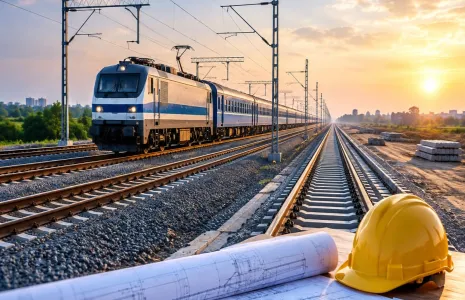
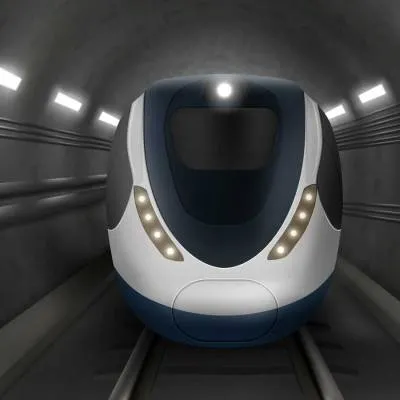
According to reports, the Delhi-Ghaziabad-Meerut RRTS line will allow people to travel between the cities in 55 minutes. During trial rounds, the superfast trains already cover this route at 160 kmph. The Ghaziabad-Duhai route is expected to be open to the public in March 2023. By 2025, the final part of the Delhi-Ghaziabad-Meerut route, with 25 stations, will be open. The fundamental goal of the multi-modal transportation link is to simplify transportation by making public transit more accessible to everyone.

Also Read
DDA to draft transport plan to link Narela, redevelop it
Thane-Kalyan-Bhiwandi viaduct across Kasheli Creek completed

Sarai Kale Khan, the under-construction Rapid Regional Transport System (RRTS) station, would connect to current public transportation hubs like Veer Haqiqat Rai ISBT, Hazrat Nizamuddin railway station, Hazrat Nizamuddin metro station, and Delhi Metro's Pink Line. The Sarai Kale Khan station, designed as a multi-modal hub, will be one of the most important stops on the Delhi-Ghaziabad-Meerut route. It will cover an enormous area of 215 m in length, 50 m in width, and 15 m in height. The facility will likely be located 80 m from the Veer Haqiqat Rai Interstate Bus Terminus. The Sarai Kale Khan station will be accessible through Ring Road, as will the Veer Haqiqat Rai Interstate Bus Terminus (ISBT). These amenities will turn the RRTS station into a one-stop travel hub for people. It will allow passengers to swap between forms of transportation without leaving the station. The station will have escalators and ventilated glass lifts to help with movement. From the Sarai Kale Khan station to the ISBT, a pathway will be created. At a distance of 300 m, one of the RRTS station's gates will also open at the Hazrat Nizamuddin metro station. A foot overbridge will connect the two extremities of the ongoing project. The station will constitute four tracks and six platforms to ensure hassle-free transportation. According to reports, the Delhi-Ghaziabad-Meerut RRTS line will allow people to travel between the cities in 55 minutes. During trial rounds, the superfast trains already cover this route at 160 kmph. The Ghaziabad-Duhai route is expected to be open to the public in March 2023. By 2025, the final part of the Delhi-Ghaziabad-Meerut route, with 25 stations, will be open. The fundamental goal of the multi-modal transportation link is to simplify transportation by making public transit more accessible to everyone. Also Read DDA to draft transport plan to link Narela, redevelop it Thane-Kalyan-Bhiwandi viaduct across Kasheli Creek completed

Related Stories

Gold Stories

Next Story
Infrastructure Urban

Infrastructure Opportunity Outlook by IMPACCT.Info

India’s infrastructure pipeline is witnessing dynamic activity across stages — from immediate bidding to future planning. IMPACCT segments these into three categories: Immediate, 3–6 Month, and Future Opportunities, enabling businesses to identify, prepare, and participate in high-value tenders and projects across sectors.To read full article Click Here ..

Next Story
Real Estate

Glass, Reframed!

Glass façades, quintessential aesthetic building envelopes globally, have been widely adopted in India as well. But when the focus is high-performance building systems that deliver energy efficiency, comfort and architectural identity, glass isn’t the only preference. Combination solutions, involving glass and some other material, improve façade outcomes. Some combinations come at comparable prices, some at a higher price. Here is a selection of performance-oriented solutions...To read the full story Click Here ..

Next Story
Infrastructure Urban

Beyond Building Faster

India’s cities are expanding at an unprecedented pace, bringing new infrastructure and development opportunities while also intensifying challenges around mobility, public spaces, liveability and supporting infrastructure. The question, therefore, is not simply whether India can build faster, but whether it can build cities that work better.At a CW webinar, Are We Designing Better Cities – or Just Building Faster?, moderator Ar. Samir Shaikh, Founding Principal, AR&UD Studio, brought together perspectives from design, development, master planning and technology...To read the full artic..

Advertisement

Subscribe to Our Newsletter

Get daily newsletters around different themes from Construction world.

STAY CONNECTED

Advertisement

SPECIAL OFFER
QR Code