





DRDO Completes User Trials of Next-generation Akash Missile
DEFENSE

DRDO Completes User Trials of Next-generation Akash Missile

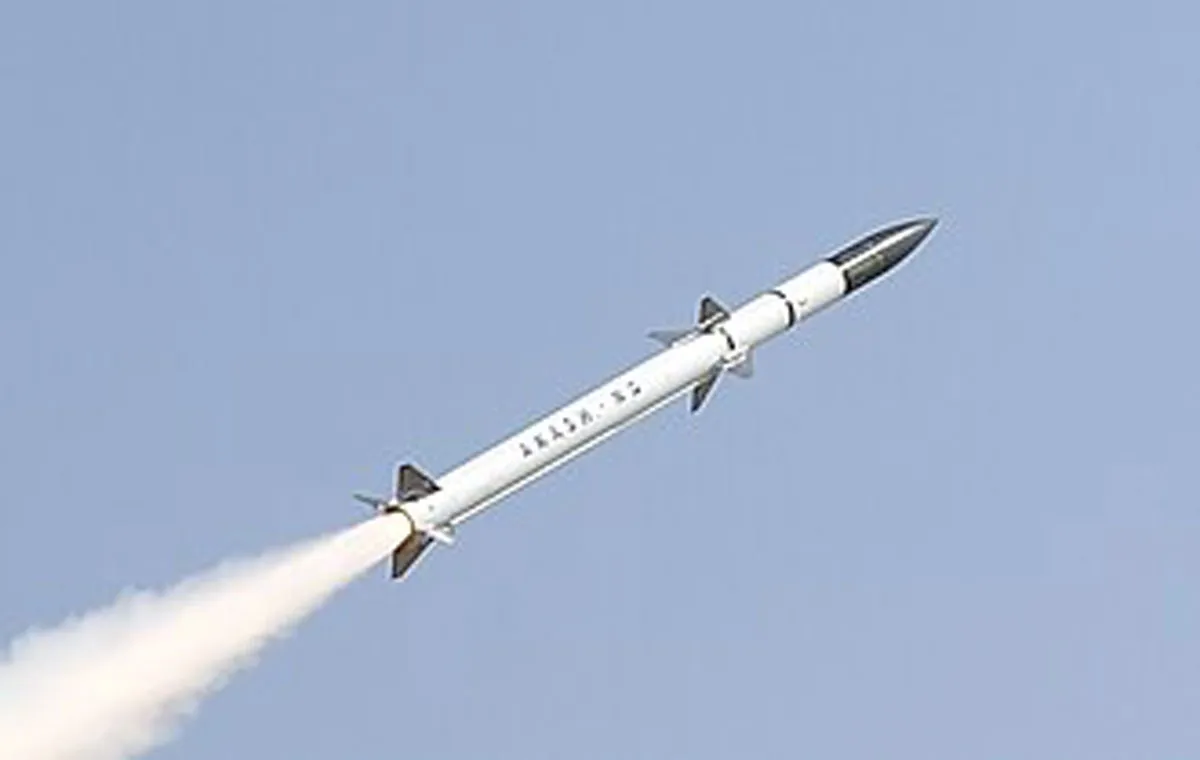
The Defence Research and Development Organisation (DRDO) has successfully completed the User Evaluation Trials (UET) of the Next Generation Akash missile system, marking a key milestone towards its induction into the Indian armed forces.

During the trials, Akash-NG missiles achieved successful interceptions of aerial targets across a range of operational scenarios. These included near-boundary, low-altitude engagements as well as long-range, high-altitude targets, demonstrating the system’s versatility and operational effectiveness in varied threat environments. The trials were conducted in the presence of senior DRDO scientists and user representatives from the Indian Air Force (IAF).

Akash-NG is equipped with an indigenous radio frequency (RF) seeker and is powered by a solid rocket motor, significantly enhancing its accuracy, speed and interception capability. Designed to counter a wide spectrum of aerial threats, the system represents a major advancement over earlier versions of the Akash missile.

All key systems and sub-systems of Akash-NG, including the Multi Function Radar (MFR), Command and Control Unit and Missile Launch Vehicle (MLV), have been developed by various DRDO laboratories with active participation from Indian industry partners. The programme reflects India’s growing capability in developing complex, state-of-the-art air defence systems through indigenous research and manufacturing.

Raksha Mantri Rajnath Singh congratulated DRDO, the Indian Air Force and industry partners on the successful completion of the user trials, stating that the advanced missile system will further strengthen the air defence capabilities of the IAF.

Secretary, Department of Defence R&D and Chairman, DRDO, also congratulated the teams involved in the programme, noting that the successful completion of the UET paves the way for the induction of Akash-NG into service. The achievement is seen as a significant step in enhancing India’s air defence preparedness while advancing the goals of self-reliance in defence technology.

The Defence Research and Development Organisation (DRDO) has successfully completed the User Evaluation Trials (UET) of the Next Generation Akash missile system, marking a key milestone towards its induction into the Indian armed forces.During the trials, Akash-NG missiles achieved successful interceptions of aerial targets across a range of operational scenarios. These included near-boundary, low-altitude engagements as well as long-range, high-altitude targets, demonstrating the system’s versatility and operational effectiveness in varied threat environments. The trials were conducted in the presence of senior DRDO scientists and user representatives from the Indian Air Force (IAF).Akash-NG is equipped with an indigenous radio frequency (RF) seeker and is powered by a solid rocket motor, significantly enhancing its accuracy, speed and interception capability. Designed to counter a wide spectrum of aerial threats, the system represents a major advancement over earlier versions of the Akash missile.All key systems and sub-systems of Akash-NG, including the Multi Function Radar (MFR), Command and Control Unit and Missile Launch Vehicle (MLV), have been developed by various DRDO laboratories with active participation from Indian industry partners. The programme reflects India’s growing capability in developing complex, state-of-the-art air defence systems through indigenous research and manufacturing.Raksha Mantri Rajnath Singh congratulated DRDO, the Indian Air Force and industry partners on the successful completion of the user trials, stating that the advanced missile system will further strengthen the air defence capabilities of the IAF.Secretary, Department of Defence R&D and Chairman, DRDO, also congratulated the teams involved in the programme, noting that the successful completion of the UET paves the way for the induction of Akash-NG into service. The achievement is seen as a significant step in enhancing India’s air defence preparedness while advancing the goals of self-reliance in defence technology.

Next Story
Infrastructure Urban

Assam Poised as Act East Gateway, Sonowal tells Guwahati Dialogue

Union Minister of Ports, Shipping and Waterways Sarbananda Sonowal on Tuesday said Assam is uniquely positioned to emerge as a regional growth hub under India’s Act East Policy, calling on entrepreneurs to leverage the state’s strategic geography, improving connectivity and governance reforms to drive inclusive development across the Northeast.Delivering the keynote address at the second Guwahati Dialogue, Sonowal said Assam has the potential to cater to a market of nearly 800 million people extending from Nepal to Myanmar, as India strengthens economic and logistical integration with Sout..

Next Story
Infrastructure Urban

Industrial Parks Drive Smarter Infrastructure, Stronger Growth

Industrial parks are increasingly emerging as a key instrument in advancing India’s industrialisation and innovation agenda, playing a vital role in strengthening the country’s manufacturing base and economic competitiveness. Developed through collaboration between the government, state authorities and the private sector, these parks are designed to attract investment, enable efficient industrial operations and promote balanced regional development.An industrial park typically comprises a planned and developed tract of land designated for industrial use, often supported by shared infrastru..

Next Story
Infrastructure Urban

CCI Approves Asia II Topco’s Warrant Acquisition in Federal Bank

The Competition Commission of India (CCI) has approved the acquisition of certain warrants of Federal Bank by Asia II Topco XIII, paving the way for a minority investment in the private sector lender.The proposed combination involves Asia II Topco XIII acquiring warrants issued by Federal Bank, with each warrant carrying the right to subscribe to one fully paid-up equity share of the bank. Upon full exercise of these warrants, the acquirer is expected to hold 9.99 per cent of Federal Bank’s paid-up share capital on a fully diluted basis.As part of the transaction, the acquirer will also have..

Advertisement

Subscribe to Our Newsletter

Get daily newsletters around different themes from Construction world.

STAY CONNECTED

Advertisement

Advertisement

Advertisement

Advertisement

Open In App











