India Strengthens Defence Exports To Indo-Pacific After Indonesia Visit
DEFENSE

India Strengthens Defence Exports To Indo-Pacific After Indonesia Visit

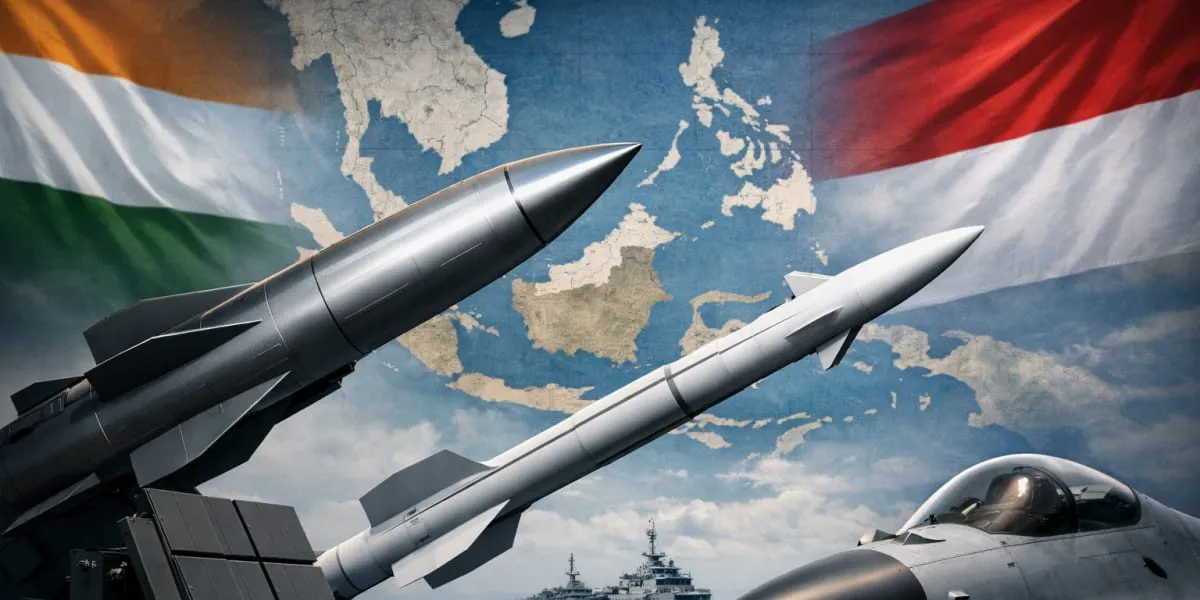
Prime Minister Narendra Modi’s visit to Indonesia has reinforced India’s defence export ties with Southeast Asia, as New Delhi signed deals to offer the BrahMos supersonic cruise missile and the Astra air-to-air missile to Jakarta. The agreements illustrate a deepening strategic partnership and a shift towards higher value missile and air-defence sales.

A Moneycontrol analysis found that India’s defence exports have become increasingly concentrated in the Indo-Pacific, with three Southeast Asian buyers—Myanmar, the Philippines and Vietnam—accounting for 70.1 per cent of exports during 2020-2025. That share rose sharply from 16.5 per cent during 2014-2019 and 14.7 per cent during 2008-2013.

Myanmar remained the largest destination in 2020-2025, accounting for 36 per cent of total defence exports, while the Philippines emerged as the second largest beneficiary with 27 per cent following the BrahMos sale. Vietnam accounted for a further seven per cent, underscoring the region’s growing importance.

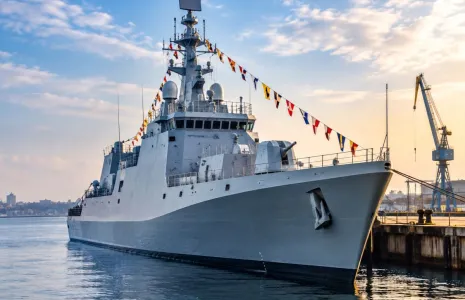
The geography change has been accompanied by a shift in the types of equipment exported. Ships accounted for the largest slice at 45 per cent during 2020-2025, down from 66 per cent in 2014-2019. Exports of artillery and missiles expanded rapidly to 18 per cent and 16 per cent respectively, while aircraft exports fell to 3.9 per cent from 71 per cent in the earlier period.

Air-defence systems also emerged as a new export category, contributing 7.4 per cent, and sensors remained more diversified with Southeast Asia taking 20 per cent of those sales. The region dominated newer platforms, accounting for 85.5 per cent of missile exports, 77.9 per cent of artillery exports and 90.2 per cent of ship exports in 2020-2025.

Analysts said the trend reflects a deliberate policy pivot eastwards and growing demand for maritime and coastal defence capabilities among Indian partners. The PM’s engagements are likely to open further opportunities for domestic firms and for cooperative production, while sustaining a focus on higher technology transfer and export readiness.

"Join industry leaders at RAHSTA Expo, India's premier platform for roads, highways and traffic infrastructure. Register now to explore innovations, network with experts and shape the future of mobility."

Prime Minister Narendra Modi’s visit to Indonesia has reinforced India’s defence export ties with Southeast Asia, as New Delhi signed deals to offer the BrahMos supersonic cruise missile and the Astra air-to-air missile to Jakarta. The agreements illustrate a deepening strategic partnership and a shift towards higher value missile and air-defence sales. A Moneycontrol analysis found that India’s defence exports have become increasingly concentrated in the Indo-Pacific, with three Southeast Asian buyers—Myanmar, the Philippines and Vietnam—accounting for 70.1 per cent of exports during 2020-2025. That share rose sharply from 16.5 per cent during 2014-2019 and 14.7 per cent during 2008-2013. Myanmar remained the largest destination in 2020-2025, accounting for 36 per cent of total defence exports, while the Philippines emerged as the second largest beneficiary with 27 per cent following the BrahMos sale. Vietnam accounted for a further seven per cent, underscoring the region’s growing importance. The geography change has been accompanied by a shift in the types of equipment exported. Ships accounted for the largest slice at 45 per cent during 2020-2025, down from 66 per cent in 2014-2019. Exports of artillery and missiles expanded rapidly to 18 per cent and 16 per cent respectively, while aircraft exports fell to 3.9 per cent from 71 per cent in the earlier period. Air-defence systems also emerged as a new export category, contributing 7.4 per cent, and sensors remained more diversified with Southeast Asia taking 20 per cent of those sales. The region dominated newer platforms, accounting for 85.5 per cent of missile exports, 77.9 per cent of artillery exports and 90.2 per cent of ship exports in 2020-2025. Analysts said the trend reflects a deliberate policy pivot eastwards and growing demand for maritime and coastal defence capabilities among Indian partners. The PM’s engagements are likely to open further opportunities for domestic firms and for cooperative production, while sustaining a focus on higher technology transfer and export readiness.

Next Story
Infrastructure Transport

Bhogapuram Airport Set For Take Off After Licence Issued

Union Civil Aviation Minister Kinjarapu Ram Mohan Naidu announced that Alluri Sitharama Raju Bhogapuram International Airport has achieved 100 per cent completion following issuance of its aerodrome licence by the Ministry of Civil Aviation after an inspection with public representatives, district officials and GMR Group representatives. The licence was granted after extensive verification over the past month to ensure that safety and operational standards were met. The Chief Minister's Office has already contacted the Prime Minister's Office to finalise an inauguration date and commercial fli..

Next Story
Infrastructure Urban

Auto Sector To Grow 22-24 Per Cent In Q1 FY27

Credit Rating Information Services of India (Crisil) estimated that India's automobile sector is expected to report revenue growth of 22-24 per cent year-on-year in the first quarter of FY27 and to be among the largest contributors to corporate revenue growth in the quarter. The agency estimated overall corporate revenue to have grown 11-11.5 per cent year-on-year in the quarter ended 30 June 2026, the fastest pace in two years despite supply chain disruptions and higher input costs from the West Asia conflict. This compared with growth of 9.6 per cent in the preceding quarter. Crisil said the..

Next Story
Infrastructure Urban

Nomura Sees Q1 Pressure On Cement Margins; Backs Major Players

Nomura said cement margins will be under pressure in the June quarter as fuel and packaging costs rose, although volume growth is expected to remain healthy. The brokerage forecast six to seven per cent year-on-year organic volume growth for the Indian cement industry in the period, with Shree Cement identified as likely to post the highest growth at 15 per cent year-on-year. It noted that the West and North regions outperformed on pricing, aiding companies with greater exposure in those markets. Average trade prices improved three per cent sequentially to around Rs 326 per bag after price inc..

Advertisement

Subscribe to Our Newsletter

Get daily newsletters around different themes from Construction world.

STAY CONNECTED

Advertisement

Advertisement

Advertisement