Delhi And Tehran Explore Energy Cooperation As US Sanctions Ease
OIL & GAS

Delhi And Tehran Explore Energy Cooperation As US Sanctions Ease

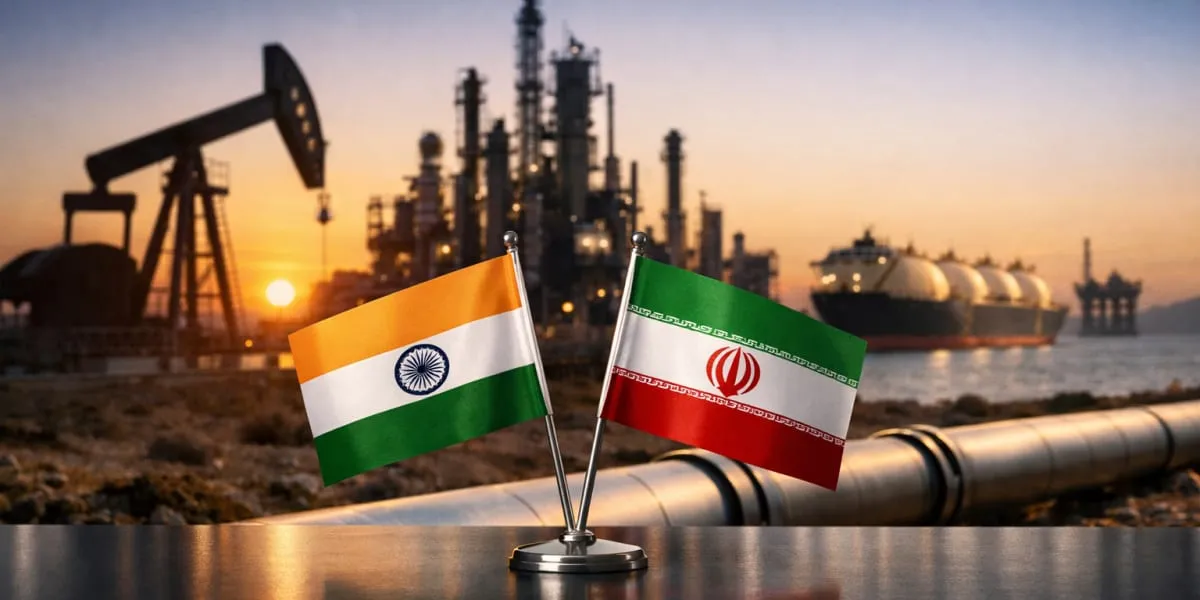
India and Iran have agreed to explore cooperation in the oil and gas sector after a temporary US sanctions waiver opened access for Iranian crude to global markets. The understanding was reached on the sidelines of the 11th BRICS Energy Ministers' Meeting in Gurugram where officials discussed bilateral engagement. The talks were framed as part of efforts to strengthen energy ties and address security concerns.

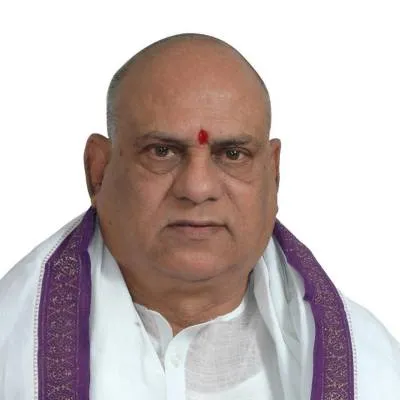
Union Minister for Petroleum and Natural Gas Hardeep Singh Puri met his Iranian counterpart Mohsen Paknejad and conveyed that India remained committed to enhancing energy security through dialogue. The Iranian Oil Ministry said Paknejad emphasised the need to strengthen cooperation with New Delhi. Ministers reviewed opportunities in oil and gas and explored mechanisms for collaboration.

The renewed engagement followed a US decision to issue a 60-day temporary general licence permitting production, sale, transportation and import of Iranian crude, petroleum products and petrochemicals until August 21, according to a Wall Street Journal report. The waiver was said to allow associated banking, insurance and shipping services and to permit payments in US dollars. Officials said the reprieve created a window for diplomatic and commercial engagement.

India had been among the largest importers of Iranian crude before sanctions forced refiners to halt purchases in 2019, and at its peak Iranian crude accounted for more than 11 per cent of India's oil imports. Indian refiners resumed limited purchases in April, taking 500,000 tonnes (t) of crude after a gap of nearly seven years following a 30-day waiver that lapsed on April 19. India meets nearly 88 per cent of its crude requirement through imports and has secured supplies through August 2026.

The discussions with Tehran took place as energy security assumed greater priority amid geopolitical tensions, supply chain disruptions and volatility in global oil markets. Paknejad also held talks with the Union Minister of Power and Housing and Urban Affairs, signalling a broader agenda of bilateral engagement. The BRICS Energy Ministers' Meeting, held under India's BRICS chairship in 2026 with the theme Energy for All, concluded on Friday.

India and Iran have agreed to explore cooperation in the oil and gas sector after a temporary US sanctions waiver opened access for Iranian crude to global markets. The understanding was reached on the sidelines of the 11th BRICS Energy Ministers' Meeting in Gurugram where officials discussed bilateral engagement. The talks were framed as part of efforts to strengthen energy ties and address security concerns. Union Minister for Petroleum and Natural Gas Hardeep Singh Puri met his Iranian counterpart Mohsen Paknejad and conveyed that India remained committed to enhancing energy security through dialogue. The Iranian Oil Ministry said Paknejad emphasised the need to strengthen cooperation with New Delhi. Ministers reviewed opportunities in oil and gas and explored mechanisms for collaboration. The renewed engagement followed a US decision to issue a 60-day temporary general licence permitting production, sale, transportation and import of Iranian crude, petroleum products and petrochemicals until August 21, according to a Wall Street Journal report. The waiver was said to allow associated banking, insurance and shipping services and to permit payments in US dollars. Officials said the reprieve created a window for diplomatic and commercial engagement. India had been among the largest importers of Iranian crude before sanctions forced refiners to halt purchases in 2019, and at its peak Iranian crude accounted for more than 11 per cent of India's oil imports. Indian refiners resumed limited purchases in April, taking 500,000 tonnes (t) of crude after a gap of nearly seven years following a 30-day waiver that lapsed on April 19. India meets nearly 88 per cent of its crude requirement through imports and has secured supplies through August 2026. The discussions with Tehran took place as energy security assumed greater priority amid geopolitical tensions, supply chain disruptions and volatility in global oil markets. Paknejad also held talks with the Union Minister of Power and Housing and Urban Affairs, signalling a broader agenda of bilateral engagement. The BRICS Energy Ministers' Meeting, held under India's BRICS chairship in 2026 with the theme Energy for All, concluded on Friday.

Related Stories

Gold Stories
Next Story
Infrastructure Urban

Vedanta Metal Bazaar Expands to Global Markets

Vedanta Aluminium has expanded its digital e-commerce platform, Vedanta Metal Bazaar, to international markets, enabling overseas customers to order and purchase aluminium products online.The platform will now be available to buyers across Asia, Europe, Africa and the Americas, providing a digital gateway for export transactions with 24x7 access.In FY26, Vedanta Metal Bazaar processed transactions worth nearly $4.1 billion, or over Rs 380 billion, and fulfilled more than 23,000 orders. The platform is also used regularly by more than 550 MSMEs in India alongside large OEM customers.The export ..

Next Story
Infrastructure Urban

Ramky Infrastructure Q1 FY27 Revenue Rises 24.3%

Ramky Infrastructure Limited reported a 24.3% year-on-year increase in consolidated revenue from operations to Rs 471.2 crore for Q1 FY27, compared with Rs 3.79 billion in the corresponding quarter of FY26.Standalone revenue from operations rose 27.5% YoY to Rs 4.51 billion from Rs 3.54 billion, while total standalone income increased 35% to Rs 5.32 billion.Consolidated profit before tax stood at Rs 540.9 million during the quarter. The company highlighted a sharp sequential improvement compared with a pre-exceptional loss of Rs 190.1 million in Q4 FY26.Two of the three projects awarded during..

Next Story
Technology

LTTS Launches AgenticIQ AI Platform for Engineering

L&T Technology Services (LTTS) has launched AgenticIQ, an end-to-end agentic AI platform designed for engineering and manufacturing organisations.The platform is aimed at helping enterprises move beyond isolated AI pilots by enabling autonomous, multi-agent workflows across engineering, product development, manufacturing, industrial operations and customer experience.AgenticIQ is built on LTTS’ Engineering Intelligence portfolio and converts existing engineering capabilities into specialised, reusable AI agents. Its planning-first architecture is embedded into engineering and production ..

Advertisement

Subscribe to Our Newsletter

Get daily newsletters around different themes from Construction world.

STAY CONNECTED

Advertisement

Advertisement

Advertisement