No Direct Fuel Exports To Russia, Supplies May Route Via Traders
OIL & GAS

No Direct Fuel Exports To Russia, Supplies May Route Via Traders

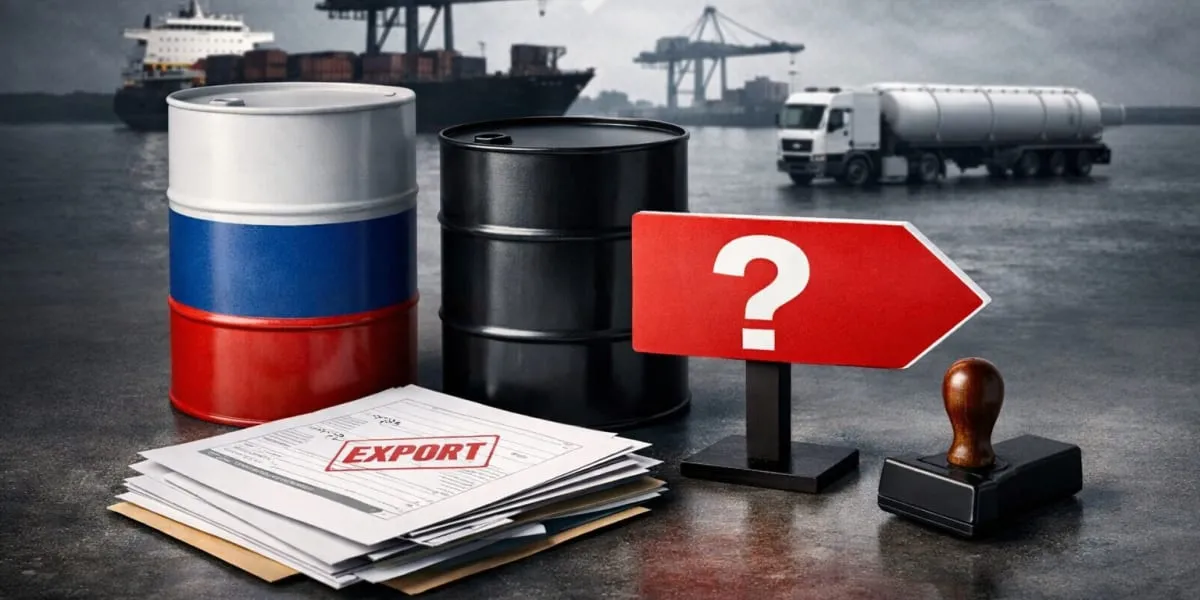
Minister Puri reiterated that the government does not permit direct exports of fuel to Russia and outlined that Indian-origin supplies could nonetheless reach the country through intermediary traders. He explained that legitimate exports follow existing licensing and customs procedures, and any rerouting by third parties falls outside direct government authorisation. The minister added that authorities are monitoring trade channels to ensure compliance with export controls and to prevent circumvention of policy. He indicated that firms and traders found in breach would face regulatory action.

The ministry clarified that while direct shipments from Indian companies to Russia are not sanctioned, product ownership can change hands at various points in the supply chain, which can result in Indian-origin cargo reaching unintended destinations. The official account pointed to the complexity of international maritime logistics and commercial contracts that may permit resale or onward supply by private traders. The government retained responsibility for granting export licences and insisted that exporters must declare final destinations accurately.

Officials noted that tracking end use and end users in global markets requires cooperation with customs, ports and international partners, and that enhanced scrutiny had been advised. The ministry conveyed that statistical monitoring and documentation checks were being strengthened to detect anomalous movements and ownership changes. It said enforcement would involve cross-agency coordination and that penalties would apply where misdeclaration or false documentation were discovered.

The statement sought to balance trade facilitation with adherence to international obligations and domestic law, and the minister underlined a preference for transparent commerce. Observers were urged to rely on formal export data and government statements for confirmation rather than informal reports. The ministry committed to updating guidance for exporters and to working with industry to reduce the risk of diversion.

Minister Puri reiterated that the government does not permit direct exports of fuel to Russia and outlined that Indian-origin supplies could nonetheless reach the country through intermediary traders. He explained that legitimate exports follow existing licensing and customs procedures, and any rerouting by third parties falls outside direct government authorisation. The minister added that authorities are monitoring trade channels to ensure compliance with export controls and to prevent circumvention of policy. He indicated that firms and traders found in breach would face regulatory action. The ministry clarified that while direct shipments from Indian companies to Russia are not sanctioned, product ownership can change hands at various points in the supply chain, which can result in Indian-origin cargo reaching unintended destinations. The official account pointed to the complexity of international maritime logistics and commercial contracts that may permit resale or onward supply by private traders. The government retained responsibility for granting export licences and insisted that exporters must declare final destinations accurately. Officials noted that tracking end use and end users in global markets requires cooperation with customs, ports and international partners, and that enhanced scrutiny had been advised. The ministry conveyed that statistical monitoring and documentation checks were being strengthened to detect anomalous movements and ownership changes. It said enforcement would involve cross-agency coordination and that penalties would apply where misdeclaration or false documentation were discovered. The statement sought to balance trade facilitation with adherence to international obligations and domestic law, and the minister underlined a preference for transparent commerce. Observers were urged to rely on formal export data and government statements for confirmation rather than informal reports. The ministry committed to updating guidance for exporters and to working with industry to reduce the risk of diversion.

Next Story
Infrastructure Urban

AI Powered Security Robot To Debut At Puri Station

The East Coast Railway (ECoR) has unveiled an artificial intelligence powered robotic surveillance platform that will be deployed at Puri railway station ahead of Lord Jagannath's Bahuda Yatra on 24 July to enhance passenger safety and security. The platform, named DSC ARJUN, was revealed in the presence of ECoR General Manager Parmeshwar Funkwal and senior railway and Railway Protection Force (RPF) officers. ECoR officials said the system has been introduced as a temporary deployment for the festival and may later be shifted to Bhubaneswar railway station. Developed to support Railway Protect..

Next Story
Infrastructure Urban

India Eases RCMC Rule For Low Value Exports

The Directorate General of Foreign Trade (DGFT) has proposed exempting low value export consignments from the requirement to hold a registration-cum-membership certificate (RCMC), in a move intended to simplify compliance for small exporters. The proposal targets shipments with a free-on-board value of up to Rs 10,000 and seeks to reduce paperwork for first time exporters and micro, small and medium enterprises. The announcement forms part of a wider government effort to encourage exports through online platforms and emerging delivery channels. Under the proposed amendment to Paragraph 2.57 of..

Next Story
Infrastructure Urban

Assam Launches Centre Of Excellence For Additive Manufacturing

The Assam government has inaugurated a Digital Design and additive manufacturing centre of excellence in Guwahati, signalling a push towards technology driven manufacturing across the state. Chief Minister Himanta Biswa Sarma opened the facility and outlined its intended role in fostering innovation, product development and entrepreneurship. The centre will provide industries, startups and researchers with access to advanced digital manufacturing tools and additive manufacturing capabilities. Officials said the facility aims to strengthen the state innovation ecosystem and reduce dependence on..

Advertisement

Subscribe to Our Newsletter

Get daily newsletters around different themes from Construction world.

STAY CONNECTED

Advertisement

Advertisement

Advertisement