Andhra Pradesh Pushes Electric Buses To Boost Public Transport
POWER & RENEWABLE ENERGY

Andhra Pradesh Pushes Electric Buses To Boost Public Transport

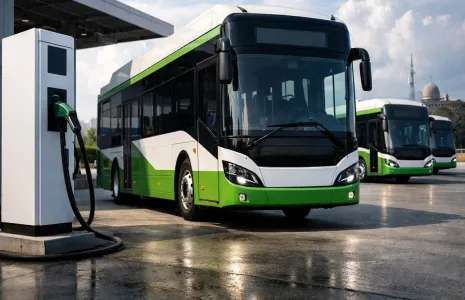
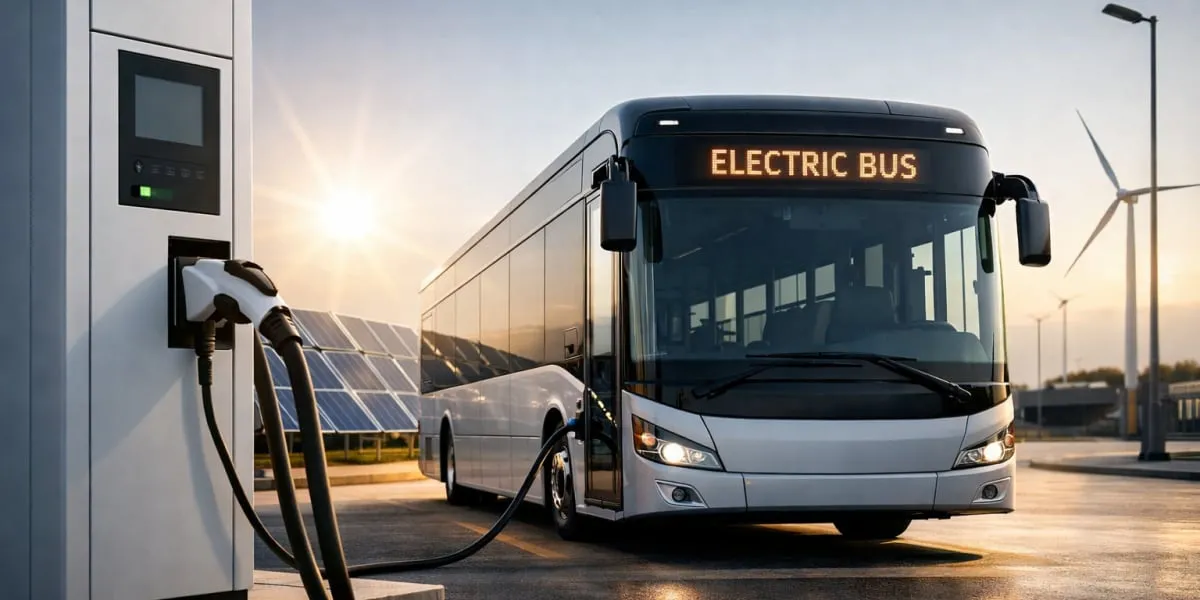
The Andhra Pradesh government has embarked on an initiative to transform public transport by promoting electric buses as a means to enhance affordability and efficiency. The chief minister emphasised the role of clean fuel initiatives and solar power management in lowering operating costs and improving sustainability across the transport sector. The review focused on measures to expand the use of electric vehicles and align infrastructure investment with broader mobility objectives.

The chief minister directed officials to optimise fuel costs and reported that electric bus operations currently run at Rs 72 per km, a figure intended to guide comparative assessments with conventional fleets. He urged rapid expansion of charging infrastructure and called for the standardisation of batteries to reduce lifecycle expenses and enable interoperability. There was a particular push to convert existing bus fleets into air conditioned electric vehicles to improve passenger comfort and encourage modal shift.

Officials were instructed to prioritise highway connectivity to ports and to strengthen maintenance regimes for roads traversing areas of black cotton soil, which demand specialised engineering responses. The government assessed that improved corridors would unlock economic activity and catalyse industrial development across the state, supporting logistics and export oriented growth. Major highway projects were reported to be planned with completion targets set within two years to expedite these benefits.

The review concluded with a call for coordinated planning between transport, energy and urban development departments to mobilise financing and technical support for the transition. Emphasis was placed on developing clear timelines, performance benchmarks and public charging networks to attract investment and lower per kilometre operating costs. Officials were asked to present actionable implementation roadmaps so that the state can accelerate the shift towards cleaner, cost effective public transport.

The Andhra Pradesh government has embarked on an initiative to transform public transport by promoting electric buses as a means to enhance affordability and efficiency. The chief minister emphasised the role of clean fuel initiatives and solar power management in lowering operating costs and improving sustainability across the transport sector. The review focused on measures to expand the use of electric vehicles and align infrastructure investment with broader mobility objectives. The chief minister directed officials to optimise fuel costs and reported that electric bus operations currently run at Rs 72 per km, a figure intended to guide comparative assessments with conventional fleets. He urged rapid expansion of charging infrastructure and called for the standardisation of batteries to reduce lifecycle expenses and enable interoperability. There was a particular push to convert existing bus fleets into air conditioned electric vehicles to improve passenger comfort and encourage modal shift. Officials were instructed to prioritise highway connectivity to ports and to strengthen maintenance regimes for roads traversing areas of black cotton soil, which demand specialised engineering responses. The government assessed that improved corridors would unlock economic activity and catalyse industrial development across the state, supporting logistics and export oriented growth. Major highway projects were reported to be planned with completion targets set within two years to expedite these benefits. The review concluded with a call for coordinated planning between transport, energy and urban development departments to mobilise financing and technical support for the transition. Emphasis was placed on developing clear timelines, performance benchmarks and public charging networks to attract investment and lower per kilometre operating costs. Officials were asked to present actionable implementation roadmaps so that the state can accelerate the shift towards cleaner, cost effective public transport.

Next Story
Technology

India Data Centre Market to Cross USD 22 Bn by 2030: Vestian

India’s data centre market is projected to more than double from around USD 10 billion in 2025 to USD 22 billion by 2030, according to a latest report by Vestian. The growth is expected to be driven by rising cloud adoption, expanding AI workloads and increasing demand for data-intensive digital services.Vestian noted that the global data centre sector is witnessing rapid expansion, with current installed capacity estimated at 40–50 GW and projections exceeding 100 GW by 2030. Within this evolving landscape, India is emerging as a strategic hub in the Asia-Pacific region, supported by its ..

Next Story
Real Estate

Retail Leasing Hits 4.3 Mn Sq Ft in H2 2025: ANAROCK RELEAP 2026

India’s retail real estate market recorded a total retail absorption of around 4.3 million sq ft across the top seven cities in H2 2025, reflecting steady leasing activity despite a dynamic market environment, according to ANAROCK Retail’s flagship report, RELEAP 2026.The report highlights a structural shift in the sector as organised retail moves beyond transactional formats toward experience-led spaces that combine shopping, entertainment and dining. Apparel emerged as the leading category driving leasing demand during the period, followed by entertainment, hypermarkets/supermarkets, and..

Next Story
Building Material

Berger Paints Launches ‘Garmi Gone, Thandak On’ Cooling Range

Berger Paints India has launched its Home Cooling Paints Range along with a nationwide campaign titled ‘Garmi Gone, Thandak On’, as rising temperatures continue to pose growing challenges for households across India.The company said the campaign promotes smarter and energy-efficient cooling solutions by focusing on preventing heat from entering homes rather than relying solely on air conditioning. Berger Paints stated that a significant amount of heat enters homes through walls, rooftops and structural openings, making surface protection an important factor in reducing indoor discomfort du..

Advertisement

Subscribe to Our Newsletter

Get daily newsletters around different themes from Construction world.

STAY CONNECTED

Advertisement

Advertisement

Advertisement