NHPC REL Launches Rooftop Solar Tender For Three Northeastern States
POWER & RENEWABLE ENERGY

NHPC REL Launches Rooftop Solar Tender For Three Northeastern States

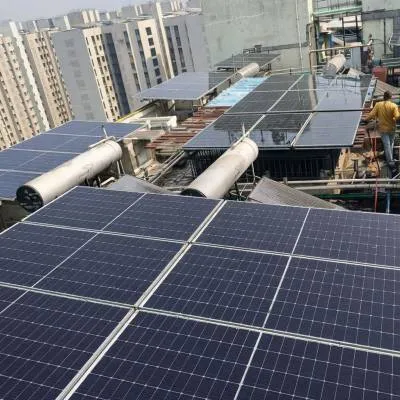
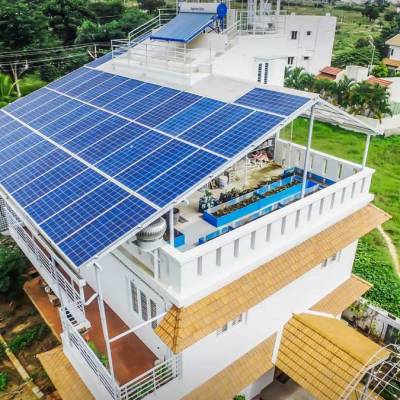
NHPC Renewable Energy Ltd has invited bids for the selection of rooftop developers to install grid connected solar systems on government buildings in Sikkim, Manipur and Nagaland under the RESCO model. The selection is to be conducted through tariff based competitive bidding and an e reverse auction process overseen by the company. The initiative is framed under the PM Surya Ghar Muft Bijli Yojana for government buildings.

The scope of work includes design, engineering, procurement and supply of equipment and materials, together with installation and commissioning of rooftop solar systems. Developers are required to provide net metering, grid connectivity and synchronisation with the existing distribution network for each grid interactive rooftop photovoltaic project. Bidders must fulfil technical and regulatory obligations as set out in the tender documents.

Power purchase agreements are to be signed between successful bidders and state agencies including the Sikkim Renewable Energy Development Agency, the Manipur Renewable Energy Development Agency and the Power Department Nagaland, as well as associated government departments. The PPAs are to remain valid for 25 years from the commercial operation date of each project. The tender stipulates that developers must commission their projects within nine months of the effective date of the PPA.

The RESCO model envisages developers taking responsibility for project delivery and ongoing operations in order to supply power to government facilities, thereby reducing upfront capital expenditure for the states. The tender is expected to attract rooftop developers with experience in grid interactive photovoltaic installations and in managing long term power sale agreements. Successful implementation is intended to expand distributed solar capacity across the three states and support national rooftop targets. Stakeholders will monitor progress through the tender timelines and compliance requirements specified in the bid documents to ensure timely delivery and performance, and consistent adherence to safety and quality standards.

"Join industry leaders at RAHSTA Expo, India's premier platform for roads, highways and traffic infrastructure. Register now to explore innovations, network with experts and shape the future of mobility."

NHPC Renewable Energy Ltd has invited bids for the selection of rooftop developers to install grid connected solar systems on government buildings in Sikkim, Manipur and Nagaland under the RESCO model. The selection is to be conducted through tariff based competitive bidding and an e reverse auction process overseen by the company. The initiative is framed under the PM Surya Ghar Muft Bijli Yojana for government buildings. The scope of work includes design, engineering, procurement and supply of equipment and materials, together with installation and commissioning of rooftop solar systems. Developers are required to provide net metering, grid connectivity and synchronisation with the existing distribution network for each grid interactive rooftop photovoltaic project. Bidders must fulfil technical and regulatory obligations as set out in the tender documents. Power purchase agreements are to be signed between successful bidders and state agencies including the Sikkim Renewable Energy Development Agency, the Manipur Renewable Energy Development Agency and the Power Department Nagaland, as well as associated government departments. The PPAs are to remain valid for 25 years from the commercial operation date of each project. The tender stipulates that developers must commission their projects within nine months of the effective date of the PPA. The RESCO model envisages developers taking responsibility for project delivery and ongoing operations in order to supply power to government facilities, thereby reducing upfront capital expenditure for the states. The tender is expected to attract rooftop developers with experience in grid interactive photovoltaic installations and in managing long term power sale agreements. Successful implementation is intended to expand distributed solar capacity across the three states and support national rooftop targets. Stakeholders will monitor progress through the tender timelines and compliance requirements specified in the bid documents to ensure timely delivery and performance, and consistent adherence to safety and quality standards.

Next Story
Infrastructure Energy

Beyond Backup Power

For decades, diesel gensets occupied a largely functional role in buildings: a mandatory backup system specified to meet statutory requirements and activated only during grid outages. Today, however, this perception is undergoing a profound shift. Across residential, commercial and mission-critical developments, developers, consultants and operators are increasingly viewing gensets as integral to a broader energy resilience strategy. Rising occupant expectations, growing dependence on digital systems and the proliferation of smart technologies mean that uninterrupted power has become essential..

Next Story
Infrastructure Transport

Mumbai-Pune Connecting Link is designed to ensure reliable all-weather, high-speed transport.

Infrastructure connectivity will be one of the keys to achieve Viksit Bharat. And the Mumbai-Pune Connecting Link has been developed as a long-term infrastructure solution for Western India. Dr Anilkumar Gaikwad, Vice Chairman & Managing Director, Maharashtra State Road Development Corporation (MSRDC), a speaker at the RAHSTA Expo 2026, elaborates upon the project and its significance.The Mumbai-Pune Connecting Link has largely been discussed as a travel-time reduction project. From MSRDC’s perspective, what larger infrastructure and mobility problem was this project actually designed to..

Next Story
Infrastructure Transport

Noida International Airport

Noida International Airport (NIA) is not just another capacity addition to India’s aviation map. It is a test case in whether India can build airport infrastructure that is scalable from Day 1, operationally efficient at launch, and resilient enough to grow without the familiar pain points of brownfield expansion.Its significance lies not merely in the first phase but in the way the airport has been planned for its fourth. Scheduled to begin commercial operations on 15 June 2026, NIA’s first phase comprises one runway and one passenger terminal designed to handle 12 million passengers annu..

Advertisement

Subscribe to Our Newsletter

Get daily newsletters around different themes from Construction world.

STAY CONNECTED

Advertisement

Advertisement

Advertisement