Nepal India Energy Meet Scheduled For July 14 And 15
POWER & RENEWABLE ENERGY

Nepal India Energy Meet Scheduled For July 14 And 15

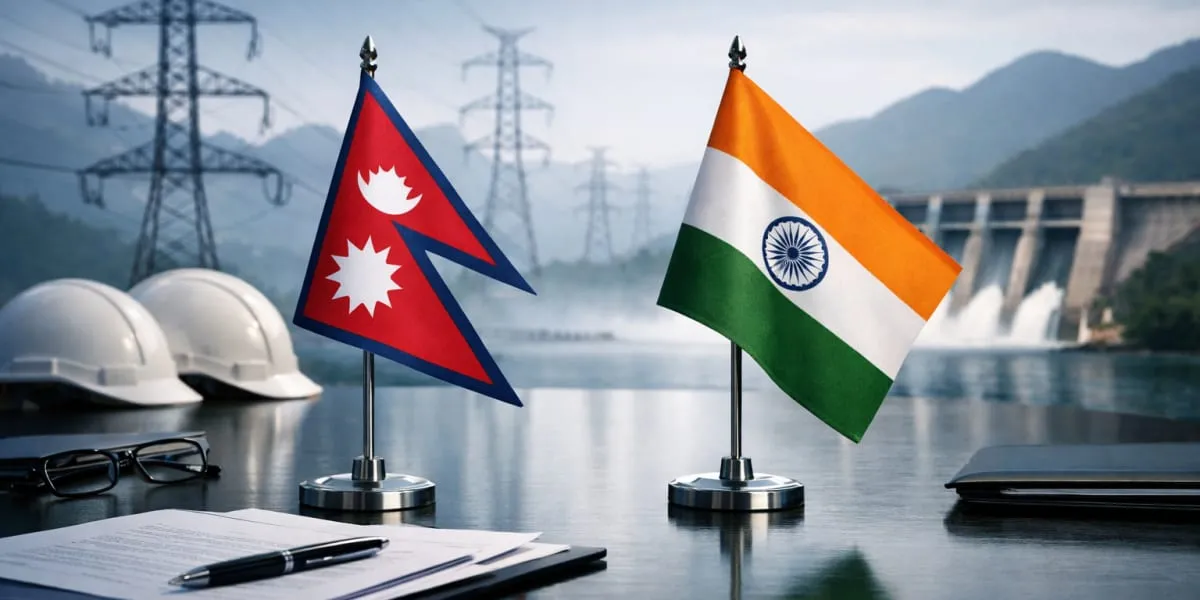
The Nepal and India energy dialogue will be held on July 14 and 15, bringing together officials and technical experts to discuss cooperation on power trade and grid integration. The two-day meeting is expected to cover hydropower development, cross-border transmission and the facilitation of electricity exchange. Delegates will include representatives from energy ministries, national utilities and regulatory bodies. The agenda will emphasise operational coordination and regulatory harmonisation to enhance regional energy security.

Discussions will address grid stability, scheduling and the technical standards required for reliable cross-border flows. Officials will consider mechanisms to streamline approvals for transmission projects and to align market rules where feasible. The meeting will also explore opportunities for investment and capacity building in renewable energy integration.

Participants are expected to review ongoing bilateral projects and technical studies that inform future cooperation. Emphasis will be placed on low carbon pathways and the role of dispatchable hydropower in complementing variable generation. Senior officials will be tasked with identifying practical steps to expedite project implementation and to resolve operational bottlenecks.

The meeting will produce a joint plan of action and a schedule for technical working groups to follow up on agreed priorities. Stakeholders will be encouraged to enhance information sharing and to adopt best practices for system planning and emergency response. Observers noted that stronger regional cooperation could support affordable supply and climate resilience. A mechanism for monitoring progress will be proposed to ensure accountability and continuity.

The process will involve consultation with private developers, financiers and regional institutions to mobilise resources for transmission and generation projects. Technical assistance may be sought to strengthen grid codes and to support advanced forecasting for hydrological variability. Delegations will be urged to consider commercially viable frameworks for power purchase and risk allocation. Follow-up meetings and progress reports will be scheduled to measure outcomes.

The Nepal and India energy dialogue will be held on July 14 and 15, bringing together officials and technical experts to discuss cooperation on power trade and grid integration. The two-day meeting is expected to cover hydropower development, cross-border transmission and the facilitation of electricity exchange. Delegates will include representatives from energy ministries, national utilities and regulatory bodies. The agenda will emphasise operational coordination and regulatory harmonisation to enhance regional energy security. Discussions will address grid stability, scheduling and the technical standards required for reliable cross-border flows. Officials will consider mechanisms to streamline approvals for transmission projects and to align market rules where feasible. The meeting will also explore opportunities for investment and capacity building in renewable energy integration. Participants are expected to review ongoing bilateral projects and technical studies that inform future cooperation. Emphasis will be placed on low carbon pathways and the role of dispatchable hydropower in complementing variable generation. Senior officials will be tasked with identifying practical steps to expedite project implementation and to resolve operational bottlenecks. The meeting will produce a joint plan of action and a schedule for technical working groups to follow up on agreed priorities. Stakeholders will be encouraged to enhance information sharing and to adopt best practices for system planning and emergency response. Observers noted that stronger regional cooperation could support affordable supply and climate resilience. A mechanism for monitoring progress will be proposed to ensure accountability and continuity. The process will involve consultation with private developers, financiers and regional institutions to mobilise resources for transmission and generation projects. Technical assistance may be sought to strengthen grid codes and to support advanced forecasting for hydrological variability. Delegations will be urged to consider commercially viable frameworks for power purchase and risk allocation. Follow-up meetings and progress reports will be scheduled to measure outcomes.

Related Stories

Gold Stories

Next Story
Infrastructure Urban

NABARD, NaBFID Partner to Fund Rural Infrastructure

The National Bank for Agriculture and Rural Development (NABARD) and the National Bank for Financing Infrastructure and Development (NaBFID) have signed a Memorandum of Understanding (MoU) to collaborate on financing infrastructure projects with significant rural impact.The partnership combines NABARD’s expertise in rural and agricultural infrastructure with NaBFID’s specialised infrastructure financing capabilities. It will focus on joint financing, knowledge sharing and developing financing solutions to improve access to long-term, competitively priced capital for rural infrastructure an..

Next Story
Infrastructure Energy

Advait Energy Wins Rs 1.34 Billion MPPTCL Order

Advait Energy Transitions (AETL) has secured a Rs 1.34 billion turnkey contract from Madhya Pradesh Power Transmission Co. Ltd. (MPPTCL) for the design, manufacturing and supply of Emergency Restoration Systems (ERS) for 400kV, 220kV and 132kV EHV transmission lines.The order, received against Tender No. TR-23/2025 on August 25, 2026, will be executed over 18 months. The contract value, inclusive of taxes, covers the complete ERS along with the required accessories.Emergency Restoration Systems are used to restore transmission infrastructure following disruptions, helping maintain continuity a..

Next Story
Real Estate

Gradiant expands Coimbatore engineering centre

Gradiant has expanded its Global Engineering Center (GEC) in Coimbatore, more than doubling its engineering workforce from approximately 100 to over 200 professionals as it strengthens its global project execution capabilities.The expanded centre will bring together multidisciplinary expertise across process engineering, detailed design and project engineering, enabling the India team to take on greater responsibility for the engineering and design of Gradiant’s international projects.According to Govind Alagappan, COO, Gradiant, Coimbatore’s engineering talent and industrial heritage make..

Advertisement

Subscribe to Our Newsletter

Get daily newsletters around different themes from Construction world.

STAY CONNECTED

Advertisement