Uttar Pradesh Vindhya Region Reaches 17.19 MW Rooftop Solar Capacity
POWER & RENEWABLE ENERGY

Uttar Pradesh Vindhya Region Reaches 17.19 MW Rooftop Solar Capacity

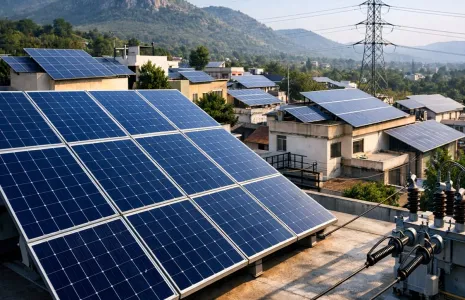
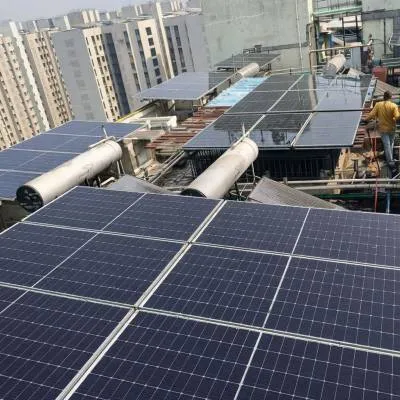
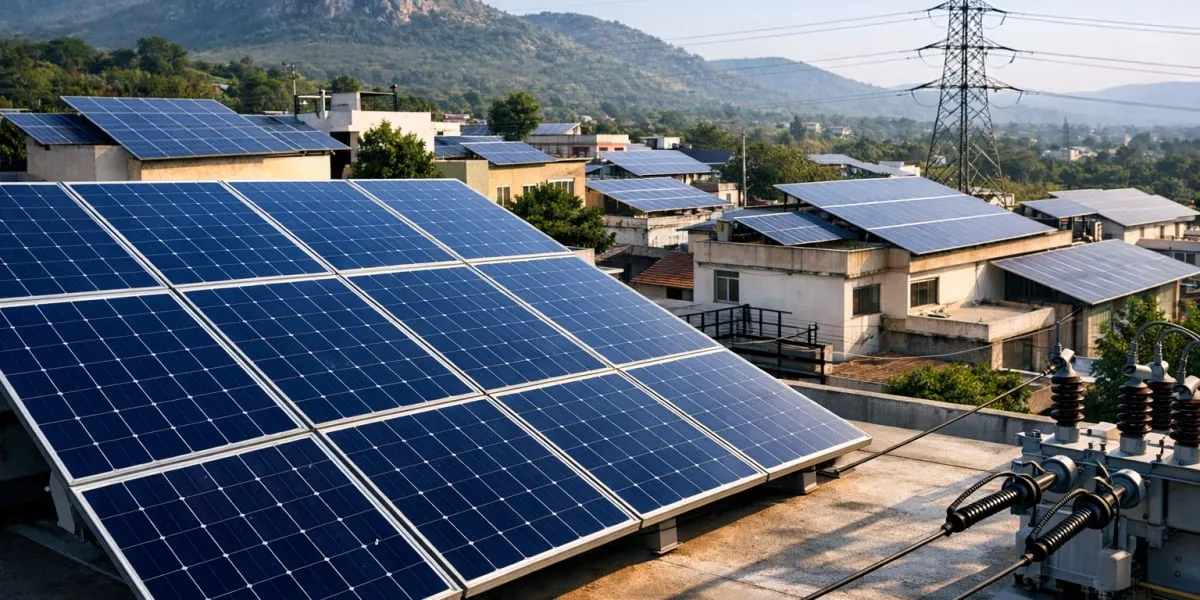
Vindhya Nagar in Uttar Pradesh has achieved rooftop solar capacity of 17.19 megawatt (MW) as local officials reported, with installations now generating electricity fed directly into the grid. The capacity has been deployed across 5,357 buildings under a drive to expand distributed generation across the district. The programme forms part of the national PM Surya Ghar Yojana designed to accelerate rooftop adoption and lower household electricity bills.

Authorities said that some 13,169 residents have submitted applications for rooftop systems, reflecting robust public interest and uptake. Implementation is being facilitated by the Uttar Pradesh New and Renewable Energy Development Agency, which is administering subsidy-backed schemes and coordinating vendor engagement. Consumers can install systems at an estimated cost of Rs 65,000 per kilowatt (kW), with government support offering subsidies of up to Rs 45,000 per kW.

To date more than 4,663 beneficiaries have received subsidy disbursements directly into bank accounts, according to officials, supporting faster adoption among households. Solar systems are also being placed on government and semi-government buildings, indicating institutional commitment to renewable energy. In a further step a proposal valuing Rs 10 million (mn) has been lodged to develop a solar model village in the Harsar area to demonstrate scalable decentralised infrastructure.

The expansion in Vindhya Nagar is being presented as a local example of how targeted incentives and agency support can accelerate clean energy deployment at community scale. Officials expect the programme to reduce electricity expenditures for participating households while contributing to broader state renewable targets. Continued subsidy flows and institutional installations are likely to shape the next phase of growth and vendor participation in the region. Local officials intend to continue outreach and vendor training to sustain momentum, and to ensure quality installations, grid integration and to monitor performance and address technical issues promptly over the coming months.

Vindhya Nagar in Uttar Pradesh has achieved rooftop solar capacity of 17.19 megawatt (MW) as local officials reported, with installations now generating electricity fed directly into the grid. The capacity has been deployed across 5,357 buildings under a drive to expand distributed generation across the district. The programme forms part of the national PM Surya Ghar Yojana designed to accelerate rooftop adoption and lower household electricity bills. Authorities said that some 13,169 residents have submitted applications for rooftop systems, reflecting robust public interest and uptake. Implementation is being facilitated by the Uttar Pradesh New and Renewable Energy Development Agency, which is administering subsidy-backed schemes and coordinating vendor engagement. Consumers can install systems at an estimated cost of Rs 65,000 per kilowatt (kW), with government support offering subsidies of up to Rs 45,000 per kW. To date more than 4,663 beneficiaries have received subsidy disbursements directly into bank accounts, according to officials, supporting faster adoption among households. Solar systems are also being placed on government and semi-government buildings, indicating institutional commitment to renewable energy. In a further step a proposal valuing Rs 10 million (mn) has been lodged to develop a solar model village in the Harsar area to demonstrate scalable decentralised infrastructure. The expansion in Vindhya Nagar is being presented as a local example of how targeted incentives and agency support can accelerate clean energy deployment at community scale. Officials expect the programme to reduce electricity expenditures for participating households while contributing to broader state renewable targets. Continued subsidy flows and institutional installations are likely to shape the next phase of growth and vendor participation in the region. Local officials intend to continue outreach and vendor training to sustain momentum, and to ensure quality installations, grid integration and to monitor performance and address technical issues promptly over the coming months.

Next Story
Infrastructure Urban

Centre Examines Duty Relief Under MOOWR For Battery Storage Imports

The finance ministry is examining whether to continue customs warehousing benefits under the Manufacture and Other Operations in Warehouse Regulations, 2019 framework for imported battery energy storage systems. It plans consultations with the ministries of power and new and renewable energy to decide on the future scope of duty and GST deferment for such imports. The review follows concerns from the renewable energy sector that the current approach is creating an uneven playing field. Under the regulations, companies may import goods without paying customs duty or goods and services tax upfro..

Next Story
Infrastructure Urban

Jamshedpur MP Seeks Rs 4,820 Million Plan For Tatanagar Platforms

Member of Parliament Bidyut Baran Mahato held a meeting with Vikas Jain, Executive Director (Public Grievances) of the Railway Board, following a special session of Parliament to press for accelerated rail infrastructure work around Jamshedpur and Tatanagar. The discussions addressed a range of projects that the ministry is prioritising for the area. Final Location Surveys for the construction of the fourth and fifth railway lines between Pandrasali and Kandra and for the development of a satellite station near Tatanagar have already been approved, clearing the way for detailed planning. Mahat..

Next Story
Infrastructure Energy

Final Batch Of Two 3,300 HP Locomotives Reach Mozambique

The final batch of two 3,300 horsepower (hp) locomotives manufactured by Banaras Locomotive Works (BLW) has reached Mozambique, marking completion of an export consignment. The locomotives arrived at Maputo harbour and were cleared for onward movement to the national rail operator. The shipment closes a programme that began with earlier consignments delivered over the past months. Banaras Locomotive Works, a production unit of Indian Railways, built the locomotives under a contract with the Mozambican rail authority and managed the final inspections and commissioning preparations prior to disp..

Advertisement

Subscribe to Our Newsletter

Get daily newsletters around different themes from Construction world.

STAY CONNECTED

Advertisement

Advertisement

Advertisement