

- Home
- Real Estate
- Gurugram Emerges as Luxury Senior Living Hub
Gurugram Emerges as Luxury Senior Living Hub
A report by the Association of Senior Living India (ASLI) and JLL estimates that India’s organised senior living market could represent a $10.1 bn opportunity by 2030. The sector had about 25,050 organised units as of June 2026, while penetration stood at only 1.5 per cent, indicating substantial scope for expansion.
Gurugram can accommodate larger integrated communities combining residences with healthcare, wellness, recreation and hospitality. DLF, Pioneer Urban, Max Estate, Ashiana Housing and Antara have established a presence in the segment through different formats. DLF is expected to launch its first senior living project in the city, with estimated sales potential of about Rs. 20 bn.
The demographic opportunity is significant. India has 166.9 mn people aged 60 and above, a figure projected to reach 346 mn by 2050. The addressable market of urban, financially independent senior households is expected to increase from 1.7 mn in 2026 to 2.1 mn by 2030.
Organised senior living remains underpenetrated compared with international markets, where penetration is 6 to 7 per cent in the US and 14 to 15 per cent in New Zealand. The sector recorded a 14.2 per cent compound annual growth rate between 2024 and the first half of 2026, compared with 8.5 per cent between 2019 and 2023. Assisted living is particularly undersupplied, with about 2,100 beds against a projected requirement of 11,000 by 2030. Haryana’s licensing clarity and floor area ratio incentives, including an increase to 3.0, could support integrated communities in Gurugram.
Gurugram is emerging as a potential hub for luxury senior living, supported by available land, healthcare infrastructure, connectivity and a concentration of affluent professionals, high-net-worth individuals and non-resident Indians. These factors could give the city an advantage over land-constrained metros such as Mumbai. A report by the Association of Senior Living India (ASLI) and JLL estimates that India’s organised senior living market could represent a $10.1 bn opportunity by 2030. The sector had about 25,050 organised units as of June 2026, while penetration stood at only 1.5 per cent, indicating substantial scope for expansion. Gurugram can accommodate larger integrated communities combining residences with healthcare, wellness, recreation and hospitality. DLF, Pioneer Urban, Max Estate, Ashiana Housing and Antara have established a presence in the segment through different formats. DLF is expected to launch its first senior living project in the city, with estimated sales potential of about Rs. 20 bn. The demographic opportunity is significant. India has 166.9 mn people aged 60 and above, a figure projected to reach 346 mn by 2050. The addressable market of urban, financially independent senior households is expected to increase from 1.7 mn in 2026 to 2.1 mn by 2030. Organised senior living remains underpenetrated compared with international markets, where penetration is 6 to 7 per cent in the US and 14 to 15 per cent in New Zealand. The sector recorded a 14.2 per cent compound annual growth rate between 2024 and the first half of 2026, compared with 8.5 per cent between 2019 and 2023. Assisted living is particularly undersupplied, with about 2,100 beds against a projected requirement of 11,000 by 2030. Haryana’s licensing clarity and floor area ratio incentives, including an increase to 3.0, could support integrated communities in Gurugram.
Related Stories
Gold Stories
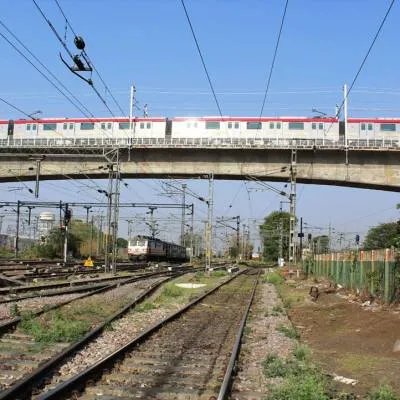
BMC OC Amnesty Scheme Requires Key Approvals from Mumbai Societies
The Brihanmumbai Municipal Corporation (BMC) has clarified that housing societies applying under its Occupation Certificate (OC) amnesty scheme must possess key approvals linked to the original construction. The requirements include a valid Intimation of Disapproval (IOD), an approved building plan and a Commencement Certificate (CC), along with a No Objection Certificate (NOC) from the developer or original construction applicant. The Standard Operating Procedure (SOP) makes clear that the absence of an OC alone will not qualify a building for relief. Societies must establish that their build..
Related Articles
Latest Updates

Recommended for you
Advertisement
Subscribe to Our Newsletter
Get daily newsletters around different themes from Construction world.
subscribe to the newsletter
Don't miss out on valuable insights and opportunities
to connect with like minded professionals