VP Hands Over Final Houses Under Indian Housing Project In Sri Lanka
Real Estate

VP Hands Over Final Houses Under Indian Housing Project In Sri Lanka

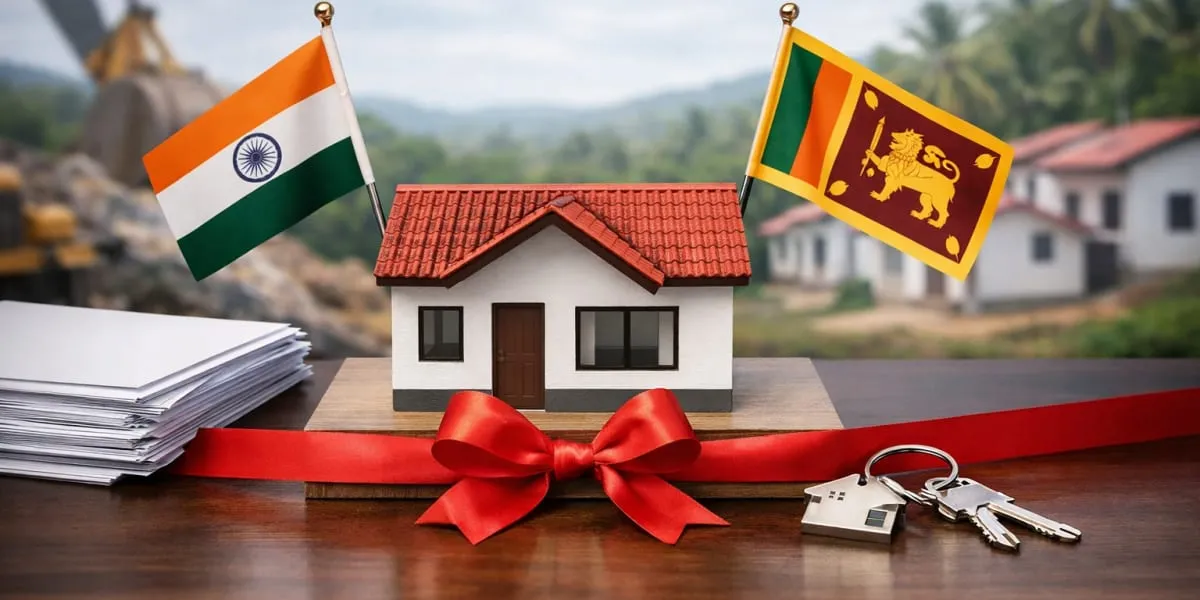
Vice President Radhakrishnan handed over the final tranche of houses built under the Indian housing project in Sri Lanka, signalling the completion of a substantial development assistance initiative by India in the island nation. The event was attended by senior officials from both countries and was described by the Indian foreign secretary, Misri, as a tangible outcome of sustained bilateral engagement. Officials presented the handover as evidence of a long-term commitment to address housing needs and to strengthen neighbourhood ties through infrastructure support.

The housing project formed part of a broader assistance package aimed at reconstruction and livelihood restoration in affected communities, and it involved planning, local coordination and construction efforts carried out in partnership with Sri Lankan authorities. Project implementation prioritised durability and local needs, with attention given to site selection, building materials and community access to amenities. Indian agencies were portrayed as working alongside Sri Lankan counterparts to ensure that homes were delivered efficiently and were suitable for families resettling in the areas served.

Foreign secretary Misri underscored that completion of the final tranche reflects India's policy of providing practical support to neighbouring countries and of deepening people-to-people connections. He emphasised the strategic value of development cooperation as a complement to diplomatic relations and noted that housing assistance sends a clear signal of solidarity during recovery phases. The handover was characterised as reinforcing trust and opening pathways for further collaboration on social and infrastructure projects.

Observers in both capitals viewed the completion of the project as bringing immediate improvements in shelter and household stability for the beneficiaries while also contributing to longer term community resilience. Indian officials indicated that such projects form part of a sustained engagement strategy and that similar initiatives may continue where needs are identified. The conclusion of the housing scheme was therefore framed as both a delivery milestone and a platform for continued bilateral development cooperation.

Vice President Radhakrishnan handed over the final tranche of houses built under the Indian housing project in Sri Lanka, signalling the completion of a substantial development assistance initiative by India in the island nation. The event was attended by senior officials from both countries and was described by the Indian foreign secretary, Misri, as a tangible outcome of sustained bilateral engagement. Officials presented the handover as evidence of a long-term commitment to address housing needs and to strengthen neighbourhood ties through infrastructure support. The housing project formed part of a broader assistance package aimed at reconstruction and livelihood restoration in affected communities, and it involved planning, local coordination and construction efforts carried out in partnership with Sri Lankan authorities. Project implementation prioritised durability and local needs, with attention given to site selection, building materials and community access to amenities. Indian agencies were portrayed as working alongside Sri Lankan counterparts to ensure that homes were delivered efficiently and were suitable for families resettling in the areas served. Foreign secretary Misri underscored that completion of the final tranche reflects India's policy of providing practical support to neighbouring countries and of deepening people-to-people connections. He emphasised the strategic value of development cooperation as a complement to diplomatic relations and noted that housing assistance sends a clear signal of solidarity during recovery phases. The handover was characterised as reinforcing trust and opening pathways for further collaboration on social and infrastructure projects. Observers in both capitals viewed the completion of the project as bringing immediate improvements in shelter and household stability for the beneficiaries while also contributing to longer term community resilience. Indian officials indicated that such projects form part of a sustained engagement strategy and that similar initiatives may continue where needs are identified. The conclusion of the housing scheme was therefore framed as both a delivery milestone and a platform for continued bilateral development cooperation.

Next Story
Equipment

MYCRANE Crosses 1,000 Customers in India

MYCRANE, the global platform for crane rental and purchase, has achieved major commercial milestones in India, reinforcing the country’s position as one of its fastest-growing strategic markets. The company has surpassed 1,000 registered customers and 1,000 crane suppliers nationwide, while completing more than 100 paid orders.The growth reflects rising adoption of digital procurement solutions across India’s construction, infrastructure, energy and industrial sectors. Equipment sourced through the platform is supporting projects across the country, with several leading contractors and EPC..

Next Story
Infrastructure Urban

AMTOE 2026 Opens Global Machine Tool Sourcing Hub

The Asian Machine Tool Online Exhibition 2026 (AMTOE 2026) has officially opened as a B2B sourcing platform connecting global buyers with verified Asian suppliers across the machine tool and manufacturing sector. The exhibition will run until 31 October 2026 through a hybrid online and offline model, offering extended sourcing and business networking opportunities.Co-organised by AsianNet and TradeAsia, the event aims to strengthen links between Asian manufacturers and international importers while improving cross-border procurement efficiency and supplier matching.Since launching in 2022, AMT..

Next Story
Infrastructure Energy

Vedanta Lifts Renewable Energy Use by Over 50%

On World Earth Day, Vedanta Limited announced that its renewable energy usage rose by over 50 per cent year on year to 3.97 billion units in FY26, helping avoid 3 million tonnes of carbon dioxide emissions.The company said its portfolio of metals, minerals, power, and oil & gas continues to support advanced manufacturing, electrification, energy transition and clean technology. Aluminium, copper and silver remain critical for applications such as mobility, power transmission, renewable infrastructure and solar photovoltaics, while iron, steel and zinc continue to support energy infrastruct..

Advertisement

Subscribe to Our Newsletter

Get daily newsletters around different themes from Construction world.

STAY CONNECTED

Advertisement

Advertisement

Advertisement