GI-Tagged Indi Lime From Karnataka Enters Oman Market
ECONOMY & POLICY

GI-Tagged Indi Lime From Karnataka Enters Oman Market

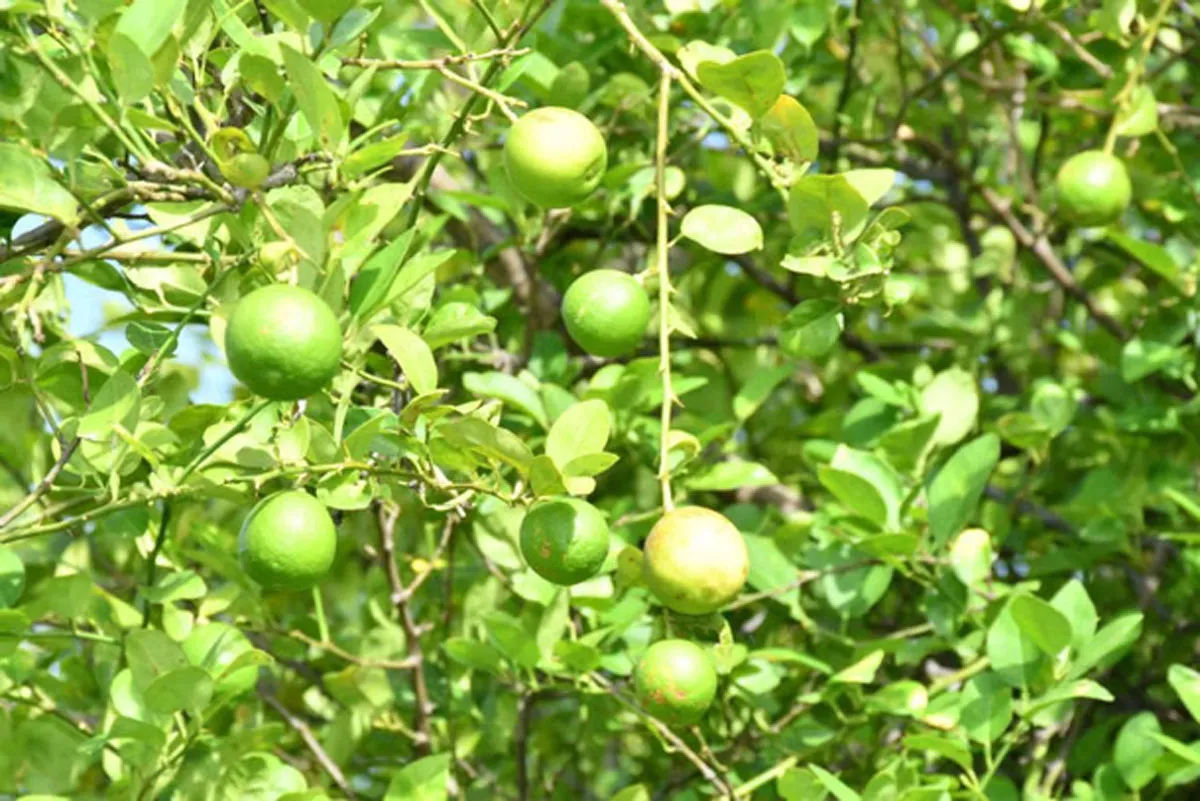
India’s agricultural exports received a boost with 3 metric tonnes of GI-tagged Indi Lime from Karnataka’s Vijayapura district exported to Oman on 19 December 2025, marking the fruit’s entry into another international market. The shipment followed the maiden export of 3 metric tonnes to Dubai on 24 August 2025, which received a positive response in the UAE. This led to subsequent exports of nearly 12 metric tonnes to Dubai, four times the initial volume. As part of market diversification efforts, an additional consignment of 350 kg of GI-tagged Indi Lime was also exported to the United Kingdom. Cumulatively, around 12.35 metric tonnes of Indi Lime have been exported from Vijayapura district so far.

The export to Oman is particularly significant in the context of the recently signed Comprehensive Economic Partnership Agreement and Free Trade Agreement between India and Oman, aimed at deepening bilateral economic ties and expanding market access for Indian exporters. The agreement is expected to benefit sectors such as agriculture, processed food and animal products, enhancing India’s export competitiveness in the Omani market. The successful shipment of GI-tagged Indi Lime highlights the growing opportunities for Indian agri-products under the strengthened trade framework.

Indi Lime’s geographical indication status, along with its distinctive aroma, high juice content and longer shelf life, has played a key role in positioning the fruit competitively in global markets. The Agricultural and Processed Food Products Export Development Authority has been supporting the promotion, branding and export of GI-tagged agricultural products, while ensuring adherence to international quality and phytosanitary standards. Exports from Vijayapura have improved income realisation for farmers associated with this GI product by enabling access to premium overseas markets and reducing reliance on domestic price movements. The continued success of GI-tagged Indi Lime underlines India’s potential as a reliable supplier of high-quality, region-specific agricultural produce and strengthens the country’s agri-export ecosystem.

"Join industry leaders at RAHSTA Expo, India's premier platform for roads, highways and traffic infrastructure. Register now to explore innovations, network with experts and shape the future of mobility."

India’s agricultural exports received a boost with 3 metric tonnes of GI-tagged Indi Lime from Karnataka’s Vijayapura district exported to Oman on 19 December 2025, marking the fruit’s entry into another international market. The shipment followed the maiden export of 3 metric tonnes to Dubai on 24 August 2025, which received a positive response in the UAE. This led to subsequent exports of nearly 12 metric tonnes to Dubai, four times the initial volume. As part of market diversification efforts, an additional consignment of 350 kg of GI-tagged Indi Lime was also exported to the United Kingdom. Cumulatively, around 12.35 metric tonnes of Indi Lime have been exported from Vijayapura district so far. The export to Oman is particularly significant in the context of the recently signed Comprehensive Economic Partnership Agreement and Free Trade Agreement between India and Oman, aimed at deepening bilateral economic ties and expanding market access for Indian exporters. The agreement is expected to benefit sectors such as agriculture, processed food and animal products, enhancing India’s export competitiveness in the Omani market. The successful shipment of GI-tagged Indi Lime highlights the growing opportunities for Indian agri-products under the strengthened trade framework. Indi Lime’s geographical indication status, along with its distinctive aroma, high juice content and longer shelf life, has played a key role in positioning the fruit competitively in global markets. The Agricultural and Processed Food Products Export Development Authority has been supporting the promotion, branding and export of GI-tagged agricultural products, while ensuring adherence to international quality and phytosanitary standards. Exports from Vijayapura have improved income realisation for farmers associated with this GI product by enabling access to premium overseas markets and reducing reliance on domestic price movements. The continued success of GI-tagged Indi Lime underlines India’s potential as a reliable supplier of high-quality, region-specific agricultural produce and strengthens the country’s agri-export ecosystem.

Next Story
Real Estate

Pecan Realty Completes Rs 1.5 Billion Transactions

Pecan Realty has recently completed four institutional transactions worth over Rs 1.5 billion over the past two years, strengthening its position as an execution-led real estate platform. The deals include resolution-led acquisitions, structured finance transactions and capital partnerships across its development portfolio.The transactions covered acquisitions through the National Company Law Tribunal process and helped provide repayment or exits to both private and public sector lenders. The company said the deals demonstrate its ability to resolve complex project situations, work with instit..

Next Story
Real Estate

SNN Estates Expands North Bengaluru Housing Project

SNN Estates has announced an expansion of its SNN Estates Felicity residential project in North Bengaluru following strong buyer demand, with 75 per cent of the first-phase inventory sold within three days of launch.The developer will add 76 apartments in the new phase, taking the project's estimated revenue potential to around Rs 1,000 crore upon completion of Phase 2.Spread across 6.5 acres in Rachenahalli, near Manyata Tech Park, the project comprises 604 apartments in 1.5, 2, 2.5, 3 and 4 BHK configurations. The development includes a 50,000-sq-ft clubhouse with amenities such as sports co..

Next Story
Infrastructure Urban

SCG Drives ASEAN Industrial Transformation Strategy

SCG is strengthening its focus on ASEAN as a key growth region by advancing industrial transformation, enhancing competitiveness and building resilient regional value chains. Thammasak Sethaudom, President and Chief Executive Officer, SCG, highlighted the need for industries to continuously develop capabilities, strengthen resilience and deepen regional cooperation to achieve sustainable long-term growth.SCG views ASEAN as an important growth engine alongside China, supported by favourable demographics, trade connectivity and investment flows. With ASEAN’s GDP projected to grow by around 4.7..

Advertisement

Subscribe to Our Newsletter

Get daily newsletters around different themes from Construction world.

STAY CONNECTED

Advertisement

Advertisement

Advertisement