REC Signs Pact With ERDA For Third Party Quality Testing
ECONOMY & POLICY

REC Signs Pact With ERDA For Third Party Quality Testing

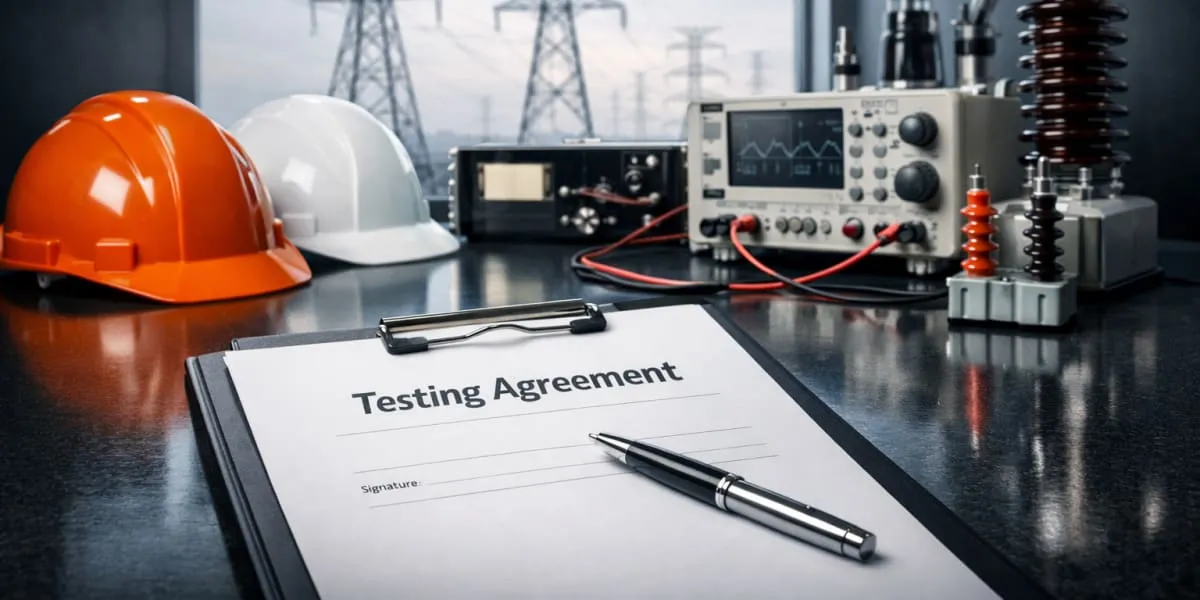
REC Limited (REC) has entered into an agreement with the Engineering Research and Development Association (ERDA) to institute third-party quality testing for equipment financed under its lending programmes. The arrangement is designed to introduce independent verification of product and installation standards across projects supported by the non-bank financial corporation that focuses on the power sector. Under the pact, accredited laboratories and technical teams affiliated with ERDA will undertake laboratory assessments and on-site inspections to verify conformity to applicable codes and specifications.\n\nThe parties intend the initiative to strengthen quality assurance, reduce instances of defective equipment and accelerate reliable commissioning of power assets financed through REC schemes. The programme aims to provide lenders and project developers with consistent test reports that can be integrated into disbursement conditions and acceptance protocols. Officials described the step as part of broader efforts to enhance project outcomes and to protect investment quality in the sector.\n\nThe scope of testing will cover key components and systems including transformers, inverters, protection apparatus and balance of plant items, alongside material sampling and performance verification. Technical evaluations will include electrical, mechanical and environmental assessments using recognised methodologies and calibrated instrumentation operated by accredited personnel. ERDA will furnish detailed technical reports and nonconformance records to REC to inform remedial actions and contractual compliance processes.\n\nREC said the framework aims to lower operational risks, reduce lifecycle costs arising from premature failures and support faster acceptance and commissioning timelines for funded projects. The cooperation will build technical capacity among project partners by sharing test procedures, training laboratory personnel and promoting adherence to quality control regimes. REC will incorporate the testing outputs into its risk assessment and loan monitoring practices to tighten quality gates and to better align financing with technical compliance.

REC Limited (REC) has entered into an agreement with the Engineering Research and Development Association (ERDA) to institute third-party quality testing for equipment financed under its lending programmes. The arrangement is designed to introduce independent verification of product and installation standards across projects supported by the non-bank financial corporation that focuses on the power sector. Under the pact, accredited laboratories and technical teams affiliated with ERDA will undertake laboratory assessments and on-site inspections to verify conformity to applicable codes and specifications.\n\nThe parties intend the initiative to strengthen quality assurance, reduce instances of defective equipment and accelerate reliable commissioning of power assets financed through REC schemes. The programme aims to provide lenders and project developers with consistent test reports that can be integrated into disbursement conditions and acceptance protocols. Officials described the step as part of broader efforts to enhance project outcomes and to protect investment quality in the sector.\n\nThe scope of testing will cover key components and systems including transformers, inverters, protection apparatus and balance of plant items, alongside material sampling and performance verification. Technical evaluations will include electrical, mechanical and environmental assessments using recognised methodologies and calibrated instrumentation operated by accredited personnel. ERDA will furnish detailed technical reports and nonconformance records to REC to inform remedial actions and contractual compliance processes.\n\nREC said the framework aims to lower operational risks, reduce lifecycle costs arising from premature failures and support faster acceptance and commissioning timelines for funded projects. The cooperation will build technical capacity among project partners by sharing test procedures, training laboratory personnel and promoting adherence to quality control regimes. REC will incorporate the testing outputs into its risk assessment and loan monitoring practices to tighten quality gates and to better align financing with technical compliance.

Next Story
Resources

Jyoti Structures Launches Heat Safety Drive Across Sites

Jyoti Structures (JSL) has strengthened heat safety measures across its project sites and manufacturing facilities as temperatures rise across India. The company has implemented a Summer Safety Plan covering all transmission line projects to address risks related to heat stress, dehydration and worker fatigue.The initiative includes rescheduling work away from peak afternoon temperatures, provision of drinking water, ORS and lemon-salt solutions, and installation of rest shelters near work areas. Daily toolbox talks, worker health monitoring, first-aid preparedness, emergency transport arrange..

Next Story
Real Estate

MHADA Declares 82 Buildings Most Dangerous in Central and South Mumbai

The Maharashtra Housing and Area Development Authority (MHADA) has declared 82 buildings as most dangerous across Central and South Mumbai and has appealed to residents to vacate immediately. The list, prepared after structural assessments by the authority, identifies buildings judged to pose imminent risk to occupants and to passersby. Local civic bodies have been asked to coordinate evacuations and to make arrangements for temporary shelter and rehabilitation for displaced households. Officials said the authority prioritised buildings with visible structural distress, severe cracking, tiltin..

Next Story
Infrastructure Transport

Damage Reported At Halwara Airport Terminal After First Rains

Severe damage was reported at the terminal of Halwara Airport during the first major rain spell of the season, prompting immediate concern among aviation and local authorities. Images from the site showed water ingress and visible deterioration of the terminal interior, affecting passenger areas and ancillary services. The airport authority suspended certain operations temporarily to assess structural safety and ensure passenger wellbeing. Preliminary inspections have prioritised electrical systems and roof seals to prevent further water ingress. State aviation officials ordered a formal inqui..

Advertisement

Subscribe to Our Newsletter

Get daily newsletters around different themes from Construction world.

STAY CONNECTED

Advertisement

Advertisement

Advertisement

-->