Jyoti Structures Launches Heat Safety Drive Across Sites
Company News

Jyoti Structures Launches Heat Safety Drive Across Sites

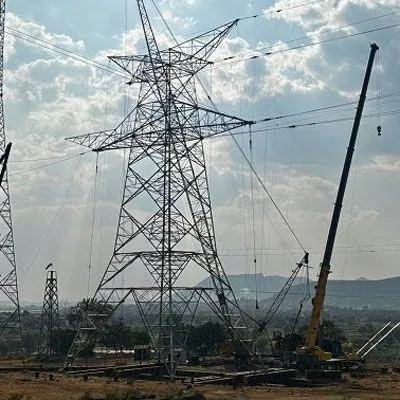
Jyoti Structures (JSL) has strengthened heat safety measures across its project sites and manufacturing facilities as temperatures rise across India. The company has implemented a Summer Safety Plan covering all transmission line projects to address risks related to heat stress, dehydration and worker fatigue.

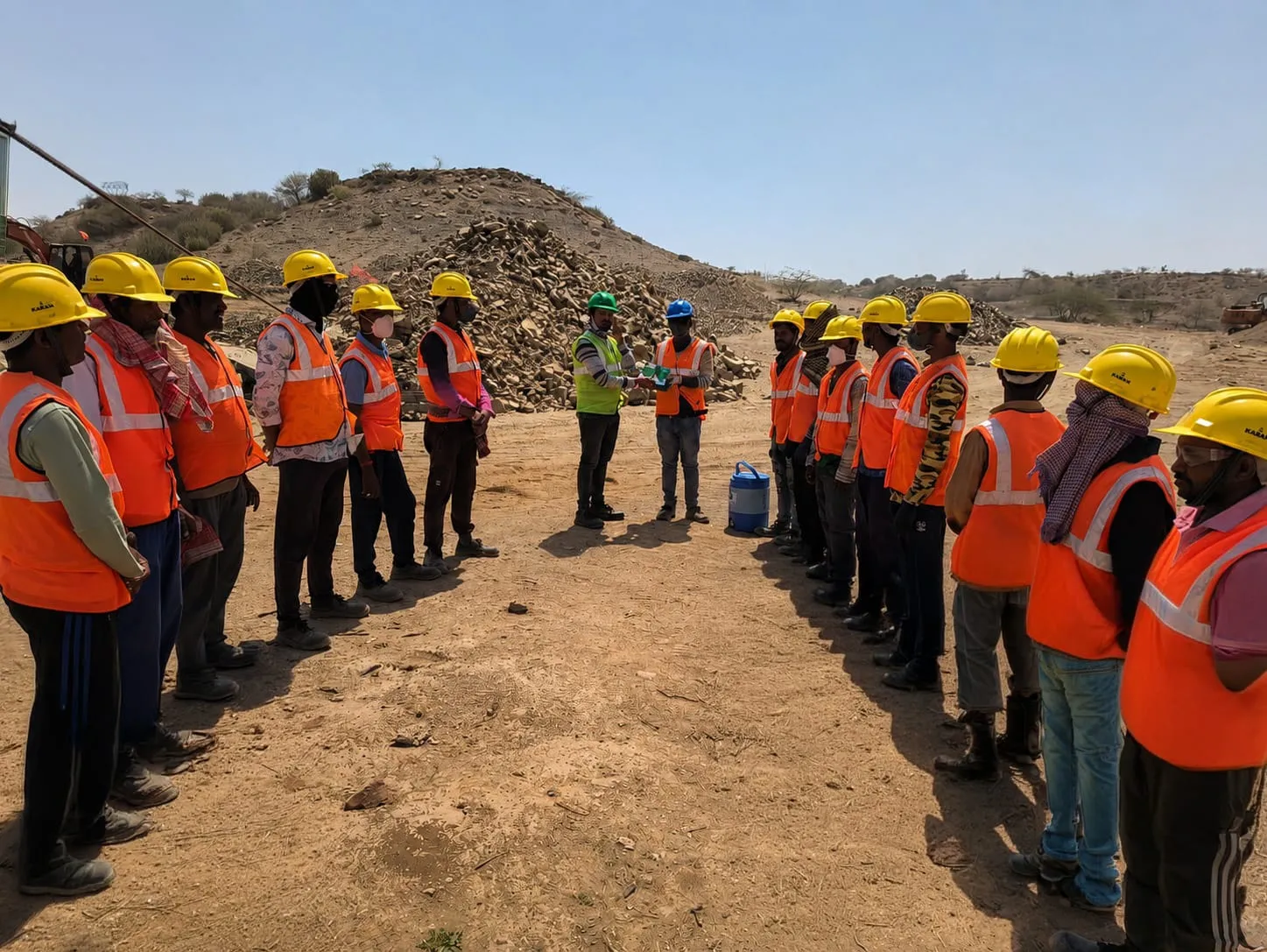
The initiative includes rescheduling work away from peak afternoon temperatures, provision of drinking water, ORS and lemon-salt solutions, and installation of rest shelters near work areas. Daily toolbox talks, worker health monitoring, first-aid preparedness, emergency transport arrangements and restrictions on tower climbing during extreme heat conditions have also been introduced.

The programme covers workers involved in tower erection, material handling, fabrication, galvanisation and other physically intensive activities. Employees are being trained to recognise symptoms of heat stress, maintain hydration and utilise shaded rest areas.

JSL has also conducted heat stress drills at active project sites to improve emergency preparedness. These drills include first-aid response, evacuation procedures, stretcher handling and emergency communication protocols.

At its Nashik manufacturing facility, the company has organised training programmes on heat safety, housekeeping and safe material handling, while installing safety awareness boards across the shop floor.

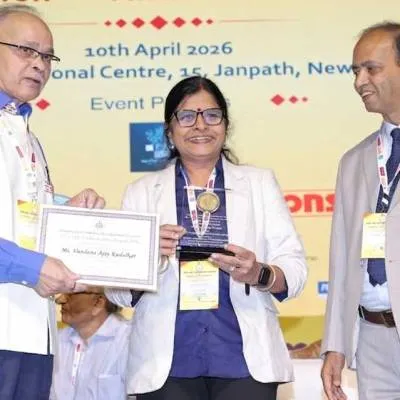
Vandana Kudalkar, Senior VP – QHSE, Jyoti Structures, said, “As temperatures rise across the country, building awareness and readiness at the ground level is critical. Keeping workers safe requires regular training, clear communication, and a quick response capability at both project sites and factories.”

The initiative forms part of the company's broader Health, Safety and Environment framework governing operations across its businesses.

Jyoti Structures (JSL) has strengthened heat safety measures across its project sites and manufacturing facilities as temperatures rise across India. The company has implemented a Summer Safety Plan covering all transmission line projects to address risks related to heat stress, dehydration and worker fatigue.The initiative includes rescheduling work away from peak afternoon temperatures, provision of drinking water, ORS and lemon-salt solutions, and installation of rest shelters near work areas. Daily toolbox talks, worker health monitoring, first-aid preparedness, emergency transport arrangements and restrictions on tower climbing during extreme heat conditions have also been introduced.The programme covers workers involved in tower erection, material handling, fabrication, galvanisation and other physically intensive activities. Employees are being trained to recognise symptoms of heat stress, maintain hydration and utilise shaded rest areas.JSL has also conducted heat stress drills at active project sites to improve emergency preparedness. These drills include first-aid response, evacuation procedures, stretcher handling and emergency communication protocols.At its Nashik manufacturing facility, the company has organised training programmes on heat safety, housekeeping and safe material handling, while installing safety awareness boards across the shop floor.Vandana Kudalkar, Senior VP – QHSE, Jyoti Structures, said, “As temperatures rise across the country, building awareness and readiness at the ground level is critical. Keeping workers safe requires regular training, clear communication, and a quick response capability at both project sites and factories.”The initiative forms part of the company's broader Health, Safety and Environment framework governing operations across its businesses.

Next Story
Real Estate

MHADA Declares 82 Buildings Most Dangerous in Central and South Mumbai

The Maharashtra Housing and Area Development Authority (MHADA) has declared 82 buildings as most dangerous across Central and South Mumbai and has appealed to residents to vacate immediately. The list, prepared after structural assessments by the authority, identifies buildings judged to pose imminent risk to occupants and to passersby. Local civic bodies have been asked to coordinate evacuations and to make arrangements for temporary shelter and rehabilitation for displaced households. Officials said the authority prioritised buildings with visible structural distress, severe cracking, tiltin..

Next Story
Infrastructure Transport

Damage Reported At Halwara Airport Terminal After First Rains

Severe damage was reported at the terminal of Halwara Airport during the first major rain spell of the season, prompting immediate concern among aviation and local authorities. Images from the site showed water ingress and visible deterioration of the terminal interior, affecting passenger areas and ancillary services. The airport authority suspended certain operations temporarily to assess structural safety and ensure passenger wellbeing. Preliminary inspections have prioritised electrical systems and roof seals to prevent further water ingress. State aviation officials ordered a formal inqui..

Next Story
Infrastructure Urban

NICDC Hosts Workshop on BHAVYA Scheme and Testing Infrastructure

National Industrial Corridor Development Corporation (NICDC) organised a workshop in New Delhi to discuss the Bharat Audyogik Vikas Yojana (BHAVYA) Scheme and National Test House and Bureau of Indian Standards testing facilities. The event, under the Department for Promotion of Industry and Internal Trade, drew more than 100 representatives from 31 States and Union Territories and senior officials from central agencies. The sessions sought to align quality assurance, infrastructure planning and investor facilitation to accelerate industrial park readiness. The first session examined laboratory..

Advertisement

Subscribe to Our Newsletter

Get daily newsletters around different themes from Construction world.

STAY CONNECTED

Advertisement

Advertisement

Advertisement

-->