Government-Led Infra Reshapes Smaller City Perceptions
ROADS & HIGHWAYS

Government-Led Infra Reshapes Smaller City Perceptions

For a long time, India’s development story revolved around a few major metropolitan cities. Delhi NCR, Mumbai, Bengaluru, Chennai, and Hyderabad remained the primary centres for business growth, employment, and real estate activity. Smaller cities were often viewed as markets with future promise, but not as immediate economic drivers.

That perception has changed at a rapid pace over the last few years.

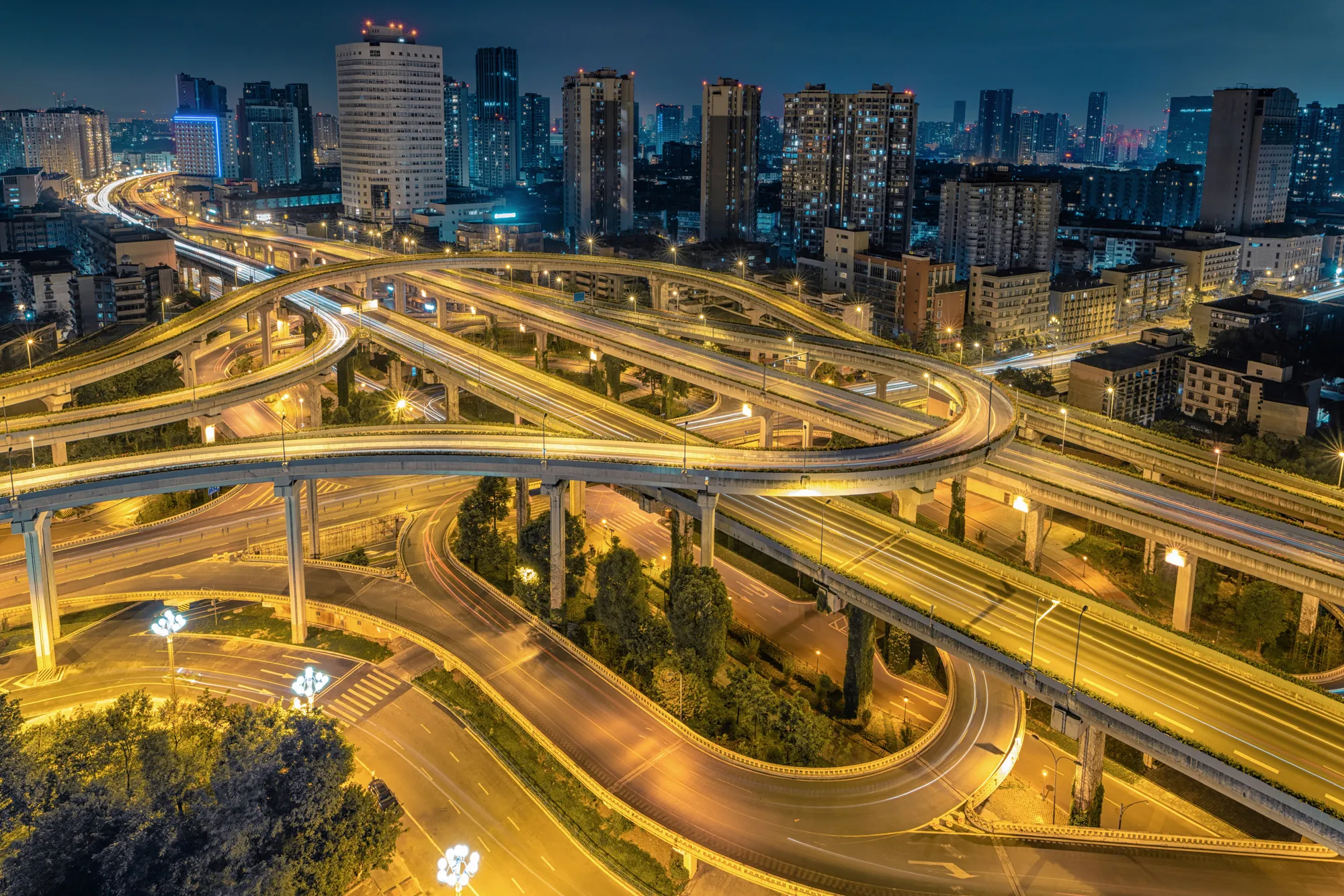
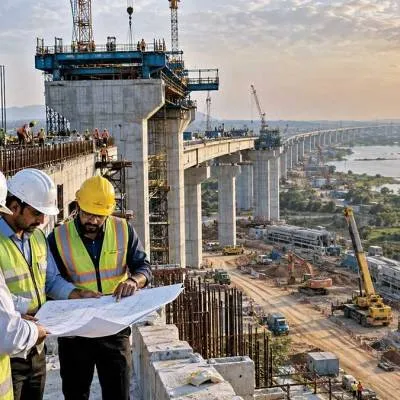
Public infrastructure development is playing a major part in this shift. New expressways, airports, railway upgrades, industrial corridors, and urban redevelopment projects are improving connectivity across Tier-2 and Tier-3 cities. More importantly, they are changing the way people think about these markets. However, what makes the current phase interesting is the scale at which this transformation is happening across India.

Infrastructure is changing the growth map of India
The government’s infrastructure push is no longer limited to metropolitan regions. Today, development is reaching emerging cities across states such as Uttar Pradesh, Madhya Pradesh, Rajasthan, Gujarat, Tamil Nadu, and Odisha.

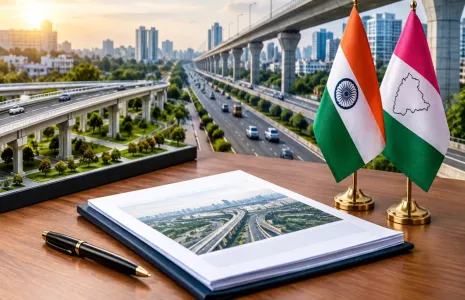
Projects under PM Gati Shakti, Bharatmala, the Smart Cities Mission, and the UDAN regional connectivity scheme are improving road, rail, and air connectivity across multiple regions. This has reduced travel time, improved logistics movement, and increased commercial activity in cities that earlier remained outside mainstream investment discussions.

India’s infrastructure investment has expanded substantially over the last decade. According to government data, the national highway network increased from 91,287 km in 2014 to over 146,000 km in 2024, while the pace of highway construction rose nearly three times during the same period. Operational high-speed corridors also increased sharply, reflecting the scale of transformation underway.

Uttar Pradesh is a strong example of this transition. Expressways such as the Purvanchal Expressway and Bundelkhand Expressway have improved access across large parts of the state. Cities including Lucknow, Prayagraj, Gorakhpur, Kanpur, and Ayodhya are witnessing growing business and real estate activity because connectivity has improved significantly.

Ayodhya particularly reflects how infrastructure can reshape the image of a city within a short period. The airport development, railway station modernisation, road expansion projects, a planned modern bus terminal, hospitality investments, and urban improvements have increased visitor movement and economic activity at an unprecedented scale.

When infrastructure reaches a city, its effect goes beyond transportation. Better connectivity gives businesses the confidence to invest. Retail activity grows. Hotels and restaurants see higher demand. Residential markets begin attracting buyers from outside the local region as well. This creates long-term economic momentum.

Another important shift is visible in buyer sentiment. Earlier, many people preferred investing only in metropolitan markets because they believed growth opportunities were concentrated there. Today, that thinking is changing. Buyers are increasingly open to exploring smaller cities that offer improving infrastructure, better quality of life, and relatively affordable property prices.

This change became more visible after the pandemic. Many professionals reassessed the challenges of living in crowded metro cities with high living costs and long travel hours. Tier-2 cities offered a more balanced lifestyle along with improving urban infrastructure.

Remote and hybrid working models also encouraged many families and entrepreneurs to consider emerging cities more seriously.

Rising aspirations are driving demand in smaller cities
Digital connectivity has added another layer to this transformation. Better internet access, digital payments, online education, and e-commerce growth have narrowed the gap between metro and non-metro India. Consumer aspirations in smaller cities today are very similar to those in larger urban centres.

People want better housing, organised retail spaces, entertainment hubs, quality healthcare, and modern social infrastructure. This is creating fresh demand across residential, retail, commercial, and mixed-use developments.

From a real estate perspective, the opportunity in Tier-2 and Tier-3 cities is no longer limited to plotted developments or affordable housing alone. Demand is becoming more diverse. Premium housing, branded retail, hospitality projects, integrated townships, and commercial developments are all seeing interest in several emerging markets.

At the same time, infrastructure development is helping create a more balanced urban growth model for the country.

For years, metro cities carried immense pressure on housing, transport systems, and civic infrastructure because economic activity remained concentrated in a few regions. The rise of emerging cities can help distribute growth more evenly and reduce excessive pressure on large urban centres.

The most important change, however, is the shift in perception.

Cities that were once considered secondary markets are now being viewed as long-term growth destinations with strong economic potential. Infrastructure has played a direct role in building that confidence.

India’s next phase of urban growth will not depend only on metropolitan expansion. Tier-2 and Tier-3 cities are expected to contribute significantly to the country’s housing demand, tourism growth, industrial activity, and business expansion over the coming years. The foundation for that future is being built through public infrastructure.

The article is authored by Mohit Goel, Managing Director, Omaxe Limited

For a long time, India’s development story revolved around a few major metropolitan cities. Delhi NCR, Mumbai, Bengaluru, Chennai, and Hyderabad remained the primary centres for business growth, employment, and real estate activity. Smaller cities were often viewed as markets with future promise, but not as immediate economic drivers.That perception has changed at a rapid pace over the last few years.Public infrastructure development is playing a major part in this shift. New expressways, airports, railway upgrades, industrial corridors, and urban redevelopment projects are improving connectivity across Tier-2 and Tier-3 cities. More importantly, they are changing the way people think about these markets. However, what makes the current phase interesting is the scale at which this transformation is happening across India.Infrastructure is changing the growth map of IndiaThe government’s infrastructure push is no longer limited to metropolitan regions. Today, development is reaching emerging cities across states such as Uttar Pradesh, Madhya Pradesh, Rajasthan, Gujarat, Tamil Nadu, and Odisha.Projects under PM Gati Shakti, Bharatmala, the Smart Cities Mission, and the UDAN regional connectivity scheme are improving road, rail, and air connectivity across multiple regions. This has reduced travel time, improved logistics movement, and increased commercial activity in cities that earlier remained outside mainstream investment discussions.India’s infrastructure investment has expanded substantially over the last decade. According to government data, the national highway network increased from 91,287 km in 2014 to over 146,000 km in 2024, while the pace of highway construction rose nearly three times during the same period. Operational high-speed corridors also increased sharply, reflecting the scale of transformation underway.Uttar Pradesh is a strong example of this transition. Expressways such as the Purvanchal Expressway and Bundelkhand Expressway have improved access across large parts of the state. Cities including Lucknow, Prayagraj, Gorakhpur, Kanpur, and Ayodhya are witnessing growing business and real estate activity because connectivity has improved significantly.Ayodhya particularly reflects how infrastructure can reshape the image of a city within a short period. The airport development, railway station modernisation, road expansion projects, a planned modern bus terminal, hospitality investments, and urban improvements have increased visitor movement and economic activity at an unprecedented scale.When infrastructure reaches a city, its effect goes beyond transportation. Better connectivity gives businesses the confidence to invest. Retail activity grows. Hotels and restaurants see higher demand. Residential markets begin attracting buyers from outside the local region as well. This creates long-term economic momentum.Another important shift is visible in buyer sentiment. Earlier, many people preferred investing only in metropolitan markets because they believed growth opportunities were concentrated there. Today, that thinking is changing. Buyers are increasingly open to exploring smaller cities that offer improving infrastructure, better quality of life, and relatively affordable property prices.This change became more visible after the pandemic. Many professionals reassessed the challenges of living in crowded metro cities with high living costs and long travel hours. Tier-2 cities offered a more balanced lifestyle along with improving urban infrastructure.Remote and hybrid working models also encouraged many families and entrepreneurs to consider emerging cities more seriously.Rising aspirations are driving demand in smaller citiesDigital connectivity has added another layer to this transformation. Better internet access, digital payments, online education, and e-commerce growth have narrowed the gap between metro and non-metro India. Consumer aspirations in smaller cities today are very similar to those in larger urban centres.People want better housing, organised retail spaces, entertainment hubs, quality healthcare, and modern social infrastructure. This is creating fresh demand across residential, retail, commercial, and mixed-use developments.From a real estate perspective, the opportunity in Tier-2 and Tier-3 cities is no longer limited to plotted developments or affordable housing alone. Demand is becoming more diverse. Premium housing, branded retail, hospitality projects, integrated townships, and commercial developments are all seeing interest in several emerging markets.At the same time, infrastructure development is helping create a more balanced urban growth model for the country.For years, metro cities carried immense pressure on housing, transport systems, and civic infrastructure because economic activity remained concentrated in a few regions. The rise of emerging cities can help distribute growth more evenly and reduce excessive pressure on large urban centres.The most important change, however, is the shift in perception.Cities that were once considered secondary markets are now being viewed as long-term growth destinations with strong economic potential. Infrastructure has played a direct role in building that confidence.India’s next phase of urban growth will not depend only on metropolitan expansion. Tier-2 and Tier-3 cities are expected to contribute significantly to the country’s housing demand, tourism growth, industrial activity, and business expansion over the coming years. The foundation for that future is being built through public infrastructure.The article is authored by Mohit Goel, Managing Director, Omaxe Limited

Next Story
Infrastructure Urban

Cabinet Approves Two Year Scheme To Replace Old Trucks And Buses

The Union Cabinet, chaired by the Prime Minister, approved a two-year scheme to reduce air pollution in the Delhi–NCR region and promote cleaner mobility. The programme will be funded through the National Capital Region Planning Board under the Ministry of Housing and Urban Affairs and implemented by the Ministry of Road Transport and Highways and the Ministry of Petroleum and Natural Gas, with participating States and Union Territories of Delhi, Haryana, Rajasthan and Uttar Pradesh. The total financial outlay has been set at Rs 95.85 billion (bn), with the Central Government contributing Rs..

Next Story
Infrastructure Transport

Bengaluru Suburban Rail And Metro To Share 500-Metre Corridor

Bengaluru suburban rail and the Metro will share a 500-metre corridor at Benniganahalli, a decision that planners say will reduce capital expenditure and urban disruption. The consolidation of alignments across the short stretch is intended to avoid duplication of elevated structures and station facilities while cutting land acquisition needs. Authorities put the maximum savings at Rs 1.69 bn (1,690 mn). The arrangement also aims to streamline construction interfaces between the two systems. The shared corridor will require coordinated design of track beds, piers and passenger access so that s..

Next Story
Infrastructure Urban

DRDO And IAF Complete Successful RudraM-II Flight Tests

The Defence Research and Development Organisation (DRDO) and the Indian Air Force (IAF) have conducted successful flight tests of the RudraM-II air-to-surface missile from an airborne platform. The trials were carried out under extreme release conditions with a critical trajectory that established the capability of all subsystems. The series of releases tested the missile's guidance, seeker and propulsion elements in an operationally representative environment. The missiles, released from the aircraft, were guided to a predefined target with pinpoint accuracy and all test objectives were fully..

Advertisement

Subscribe to Our Newsletter

Get daily newsletters around different themes from Construction world.

STAY CONNECTED

Advertisement

Advertisement

Advertisement