
+
Thane Coastal Road Completion Expected
ROADS & HIGHWAYS

Thane Coastal Road Completion Expected

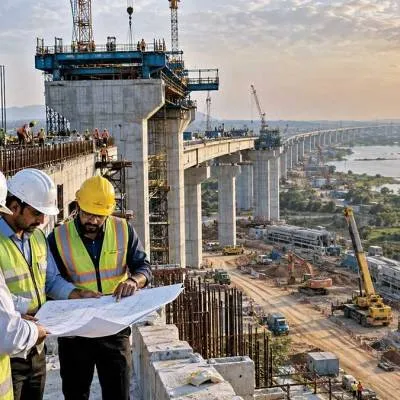
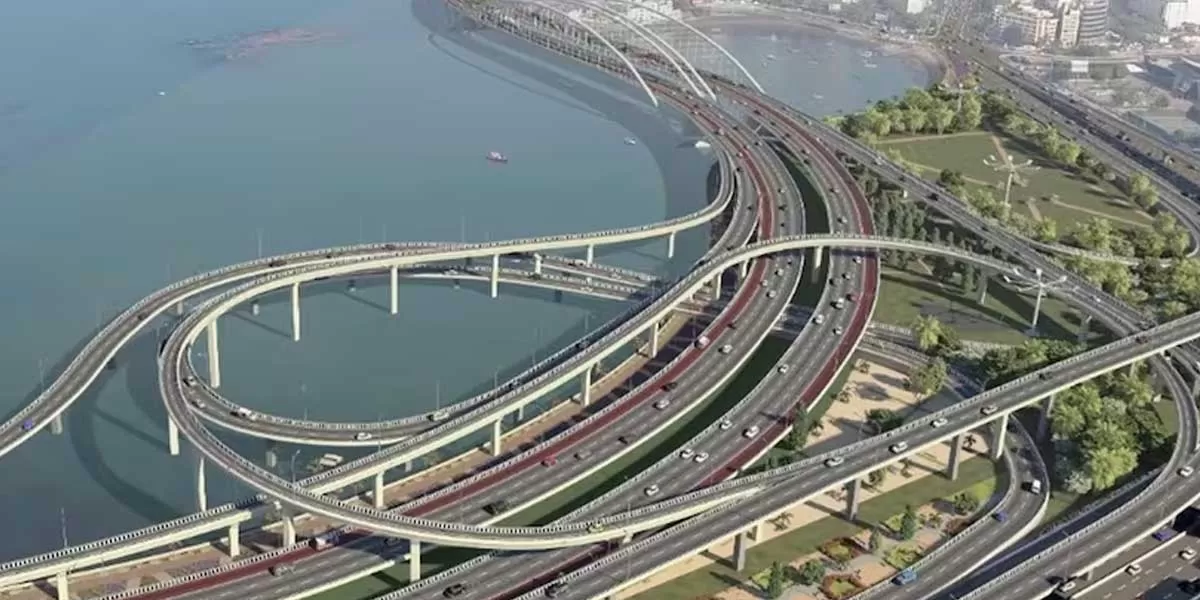
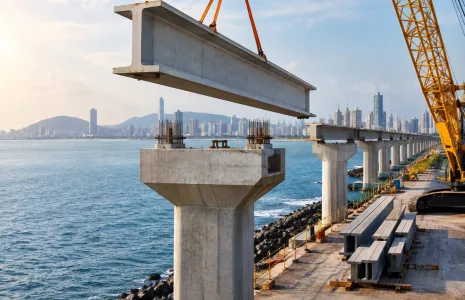
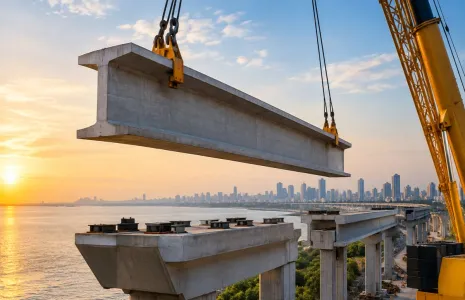
The Thane Coastal Road project, linking Balkum to Gaimukh, is slated for completion by 2028, marking a significant milestone in Mumbai's infrastructure development. This ambitious project, undertaken to alleviate traffic congestion and improve connectivity in the Thane region, is expected to transform the commuting experience for residents and boost the local economy. The 12 km long coastal road will provide an alternative route to the congested Ghodbunder Road, enhancing travel efficiency and reducing travel time.

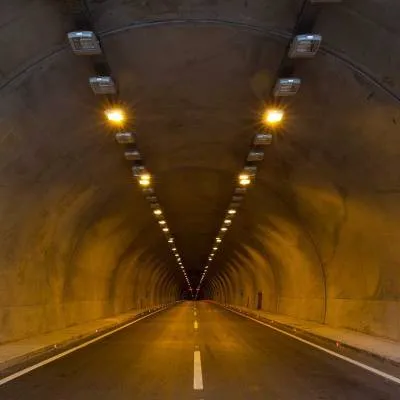
The project is being developed by the Thane Municipal Corporation (TMC) and is estimated to cost around Rs 1,520 crore. The coastal road will include several modern infrastructure elements, such as elevated sections, underpasses, and tunnels, to ensure smooth traffic flow and minimize environmental impact. The road will also feature pedestrian pathways and cycling tracks, promoting sustainable and eco-friendly transportation options.

Upon completion, the Thane Coastal Road is expected to significantly reduce the travel time between Balkum and Gaimukh, providing a faster and more efficient route for daily commuters. This improvement in connectivity is anticipated to spur economic activities in the region, attracting investments and creating job opportunities. The project aligns with the broader vision of enhancing infrastructure in the Mumbai Metropolitan Region (MMR) to support its growing population and economic activities.

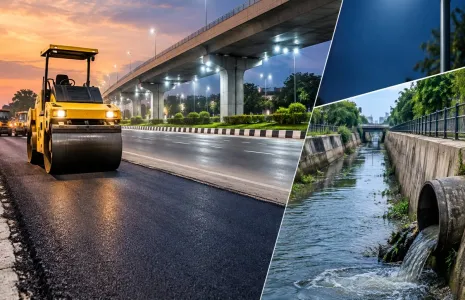
The TMC is also focusing on ensuring that the project adheres to the highest standards of safety and quality. Advanced construction techniques and materials are being employed to ensure the durability and longevity of the road. The project is being executed in phases to minimize disruption to existing traffic and ensure timely completion.

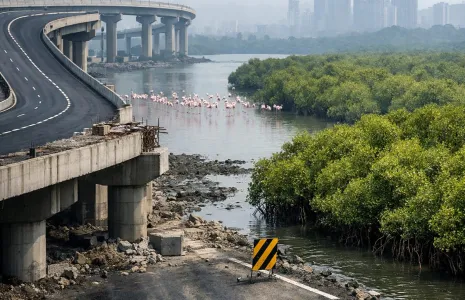
Environmental sustainability is a key consideration for the Thane Coastal Road project. The TMC is taking measures to mitigate environmental impact, including incorporating green spaces and using eco-friendly construction practices. The project also aims to improve the overall urban landscape of the Thane region, making it more livable and aesthetically pleasing.

The Thane Coastal Road project, linking Balkum to Gaimukh, is slated for completion by 2028, marking a significant milestone in Mumbai's infrastructure development. This ambitious project, undertaken to alleviate traffic congestion and improve connectivity in the Thane region, is expected to transform the commuting experience for residents and boost the local economy. The 12 km long coastal road will provide an alternative route to the congested Ghodbunder Road, enhancing travel efficiency and reducing travel time. The project is being developed by the Thane Municipal Corporation (TMC) and is estimated to cost around Rs 1,520 crore. The coastal road will include several modern infrastructure elements, such as elevated sections, underpasses, and tunnels, to ensure smooth traffic flow and minimize environmental impact. The road will also feature pedestrian pathways and cycling tracks, promoting sustainable and eco-friendly transportation options. Upon completion, the Thane Coastal Road is expected to significantly reduce the travel time between Balkum and Gaimukh, providing a faster and more efficient route for daily commuters. This improvement in connectivity is anticipated to spur economic activities in the region, attracting investments and creating job opportunities. The project aligns with the broader vision of enhancing infrastructure in the Mumbai Metropolitan Region (MMR) to support its growing population and economic activities. The TMC is also focusing on ensuring that the project adheres to the highest standards of safety and quality. Advanced construction techniques and materials are being employed to ensure the durability and longevity of the road. The project is being executed in phases to minimize disruption to existing traffic and ensure timely completion. Environmental sustainability is a key consideration for the Thane Coastal Road project. The TMC is taking measures to mitigate environmental impact, including incorporating green spaces and using eco-friendly construction practices. The project also aims to improve the overall urban landscape of the Thane region, making it more livable and aesthetically pleasing.

Next Story
Real Estate

Hindware Introduces Starc Smart Wall Mount Toilet

Hindware has introduced the Starc Smart Wall-Mount Toilet under its Hindware Italian Collection, designed to combine automation, hygiene and contemporary bathroom aesthetics. The model features automatic flushing, sensor-based seat opening and closing, and remote-controlled functions. It also includes an oscillating water spray and warm air dryer for cleaning, along with a self-cleaning nozzle designed to maintain hygiene. Additional features include adjustable heated seating, customisable water temperature and pressure settings, a foot-touch flush system and an LCD control interface. The wa..

Next Story
Equipment

Company showcases North America-certified machinery and secures new deals

Zoomlion Heavy Industry Science & Technology Co., recently showcased a wide portfolio of North America-certified and customised construction equipment at CONEXPO-CON/AGG 2026 in Las Vegas. The display included engineering hoisting machinery, concrete equipment, earthmoving machinery, mining equipment and construction hoisting solutions tailored to regional operational requirements.All equipment presented at the exhibition complies with North American certification standards, with several models specifically developed to meet local regulatory requirements and site conditions. One of the hig..

Next Story
Technology

Sinoboom Launches Dual-ETM Smart Technology

Sinoboom recently introduced its Dual-ETM Smart Technology at CONEXPO-CON/AGG 2026, designed to enhance battery endurance and operational efficiency in electric boom lifts.The new technology integrates advanced components that enable real-time optimisation of power usage during equipment operation. By calculating the precise power requirement instantly, the system delivers only the energy needed for each movement, reducing the inefficiencies associated with conventional maximum-demand power systems.The solution incorporates multiple sensors—including pressure, weight, length and level sensor..

Advertisement

Subscribe to Our Newsletter

Get daily newsletters around different themes from Construction world.

STAY CONNECTED

Advertisement

Advertisement

Advertisement