Bengaluru Pink Line Elevated Section Likely To Open In September
RAILWAYS & METRO RAIL

Bengaluru Pink Line Elevated Section Likely To Open In September

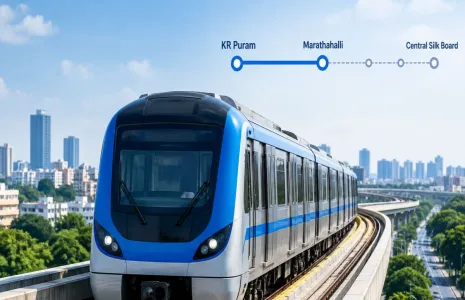
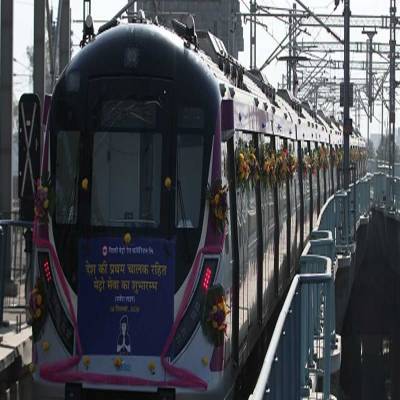
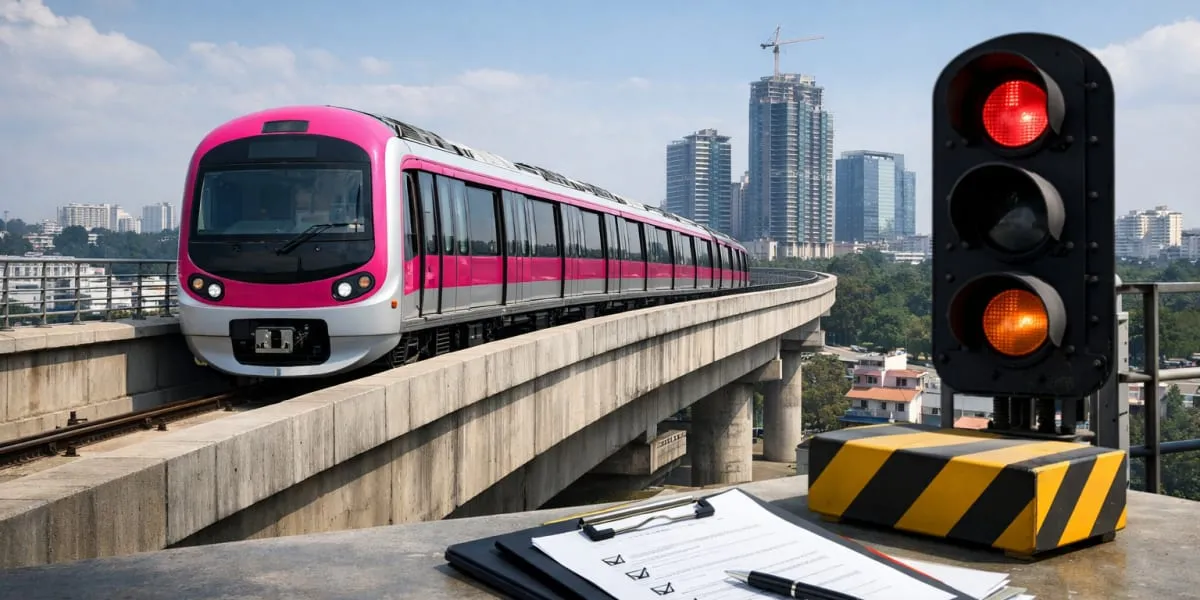
The much-awaited elevated section of Namma Metro's Pink Line, earlier slated to open on August 15, is now likely to be opened for public service in the first week of September, subject to statutory clearances. Bengaluru Metro Rail Corporation Limited (BMRCL) managing director PC Jaffer said that the only remaining formalities are Railway Board approval for the rolling stock and an inspection by the Commissioner of Metro Rail Safety, and that from the corporation's side construction and related works have been completed. He indicated that the precise opening date will depend on the timings of those clearances.

The pending Railway Board approval relates to certification of the trains intended for service on the route, after which the CMRS inspection will assess operational readiness and safety compliance. BMRCL officials have carried out trials and systems integration on the elevated stretch, and commissioning schedules have been prepared to follow receipt of statutory approvals. Project managers indicated that last-mile tasks such as testing of signalling and fare systems are being finalised.

Attention has meanwhile shifted to the underground section of the Pink Line that will link Dairy Circle to Nagawara, which was inspected recently by Bengaluru Development Minister Krishna Byre Gowda. The minister set mid-2027 as the target for completing the underground section, a timeline that BMRCL has described as achievable given current progress. Civil works for the underground portion are reported to be complete, electrification is nearly finished and signalling work has commenced.

Once statutory clearances and inspections are concluded, the elevated stretch is expected to enter public service and expand connectivity along the Pink Line, providing commuters with additional travel options. Officials said subsequent phases of work and train deployment will be planned to dovetail with passenger operations and to improve reliability across the network. Authorities continue to monitor schedule milestones and will announce firm commissioning dates following receipt of the necessary approvals.

The much-awaited elevated section of Namma Metro's Pink Line, earlier slated to open on August 15, is now likely to be opened for public service in the first week of September, subject to statutory clearances. Bengaluru Metro Rail Corporation Limited (BMRCL) managing director PC Jaffer said that the only remaining formalities are Railway Board approval for the rolling stock and an inspection by the Commissioner of Metro Rail Safety, and that from the corporation's side construction and related works have been completed. He indicated that the precise opening date will depend on the timings of those clearances. The pending Railway Board approval relates to certification of the trains intended for service on the route, after which the CMRS inspection will assess operational readiness and safety compliance. BMRCL officials have carried out trials and systems integration on the elevated stretch, and commissioning schedules have been prepared to follow receipt of statutory approvals. Project managers indicated that last-mile tasks such as testing of signalling and fare systems are being finalised. Attention has meanwhile shifted to the underground section of the Pink Line that will link Dairy Circle to Nagawara, which was inspected recently by Bengaluru Development Minister Krishna Byre Gowda. The minister set mid-2027 as the target for completing the underground section, a timeline that BMRCL has described as achievable given current progress. Civil works for the underground portion are reported to be complete, electrification is nearly finished and signalling work has commenced. Once statutory clearances and inspections are concluded, the elevated stretch is expected to enter public service and expand connectivity along the Pink Line, providing commuters with additional travel options. Officials said subsequent phases of work and train deployment will be planned to dovetail with passenger operations and to improve reliability across the network. Authorities continue to monitor schedule milestones and will announce firm commissioning dates following receipt of the necessary approvals.

Related Stories

Gold Stories

Next Story
Infrastructure Urban

Bajaj Auto to Raise Monthly Electric 2W Capacity to 80,000 by March

Bajaj Auto plans to raise monthly production capacity for electric two-wheelers to around 80,000 units by the end of March, as demand for its Chetak electric scooter continues to exceed available output. The company currently has capacity for around 60,000 electric two-wheelers a month. Joint Managing Director Rakesh Sharma said production had returned to the existing full capacity after a supply chain disruption affected output. The issue had reduced recent production to around 40,000 units, resulting in a shortfall of 20,000 vehicles despite strong demand. The company expects to remove produ..

Next Story
Infrastructure Transport

India’s Domestic Air Passenger Traffic Falls 6.5% in September

India’s domestic air passenger traffic declined 6.49 per cent month on month to 11.8 mn in September, according to data released by the Directorate General of Civil Aviation (DGCA). IndiGo retained its leading position, carrying nearly two-thirds of domestic passengers, while the Air India Group remained the second-largest operator. IndiGo held a 65.4 per cent market share and transported 7.73 mn passengers during the month. The Air India Group accounted for 26.8 per cent of the market, carrying 3.165 mn passengers, based on data from the aviation regulator. Akasa Air ranked third with a 5.6..

Next Story
Infrastructure Urban

DPIIT Advances Trust-Based Governance Across India

The Department for Promotion of Industry and Internal Trade (DPIIT), under the Ministry of Commerce and Industry, is shifting India’s regulatory approach from permission-based administration to trust-based governance. The reforms seek to reduce business compliance, support startups, attract investment and simplify approvals across the country. According to an official statement, 47,957 compliance requirements have been reduced across Central Ministries and States and Union Territories. Of these, 22,290 have been digitised, 16,141 simplified, 5,255 decriminalised and 4,271 eliminated. The Jan..

Advertisement

Subscribe to Our Newsletter

Get daily newsletters around different themes from Construction world.

STAY CONNECTED

Advertisement

SPECIAL OFFER
QR Code