Delhi Division Installs Kavach on 300 Locomotives at Ghaziabad
RAILWAYS & METRO RAIL

Delhi Division Installs Kavach on 300 Locomotives at Ghaziabad

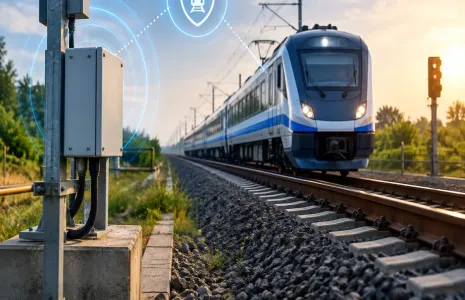
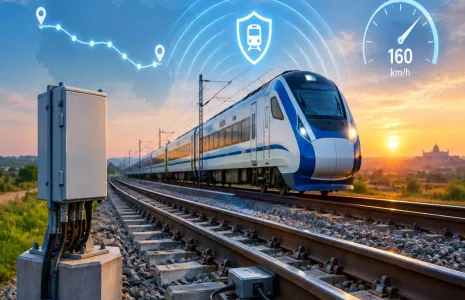
The Delhi Division of Northern Railway has completed the installation of the indigenous Kavach system on 300 locomotives at the Electric Loco Shed in Ghaziabad. The milestone was achieved on 16 May 2026 with the successful completion of the 300th installation, setting a new record for safety system rollout across Indian Railways. The accomplishment underscores a focused drive to modernise locomotive safety infrastructure.

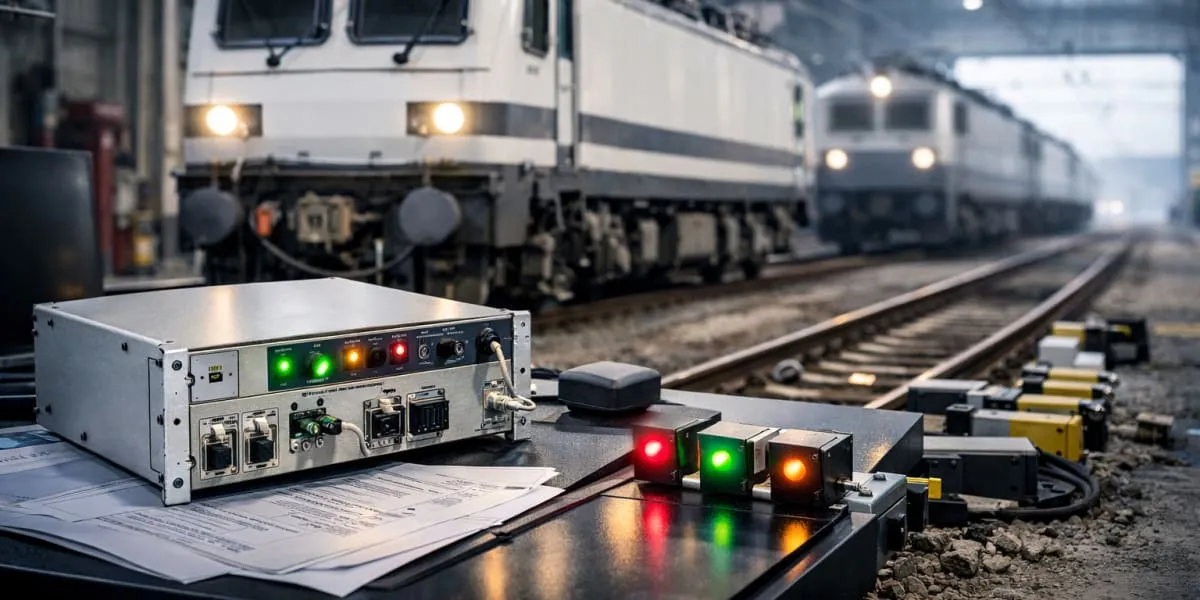
Kavach, India’s indigenously developed automatic train protection system (ATP), has been advanced as a central component in reducing human error and enhancing operational safety on the national network. The system monitors train movements and intervenes to prevent collisions and signal-passage incidents, and its deployment is being prioritised across key sheds. The ATP moniker will be used subsequently for clarity.

The Electric Loco Shed, Ghaziabad, has been recognised for completing the 100th, 200th and 300th Kavach installations at the fastest pace within the railways. The shed had earlier established a notable record on 10 September 2024 by completing the Kavach installation on locomotive number 30623/WAP-7 within a single day, the quickest such turnaround recorded. Such benchmarks are being cited as evidence of enhanced installation capacity.

In addition to hardware installations, the Ghaziabad shed organised seven one-day training programmes to disseminate technical knowledge and standardise procedures among officers and supervisors. A total of 309 officers and supervisors from 71 loco sheds across Indian Railways participated in the sessions.

Officials indicated that the training and rapid installation drive would improve efficiency, reliability and uniformity in Kavach implementation across various railway sheds. They attributed the achievement to the dedication, technical expertise and teamwork of the shed’s officers and staff. The effort is being characterised as a significant step towards safer and more modern train operations.

The success of the Ghaziabad initiative also highlights the growing role of India’s Made in India railway safety technologies in strengthening national rail infrastructure. Replication of these practices across other sheds is being encouraged to accelerate system-wide safety enhancement.

The Delhi Division of Northern Railway has completed the installation of the indigenous Kavach system on 300 locomotives at the Electric Loco Shed in Ghaziabad. The milestone was achieved on 16 May 2026 with the successful completion of the 300th installation, setting a new record for safety system rollout across Indian Railways. The accomplishment underscores a focused drive to modernise locomotive safety infrastructure. Kavach, India’s indigenously developed automatic train protection system (ATP), has been advanced as a central component in reducing human error and enhancing operational safety on the national network. The system monitors train movements and intervenes to prevent collisions and signal-passage incidents, and its deployment is being prioritised across key sheds. The ATP moniker will be used subsequently for clarity. The Electric Loco Shed, Ghaziabad, has been recognised for completing the 100th, 200th and 300th Kavach installations at the fastest pace within the railways. The shed had earlier established a notable record on 10 September 2024 by completing the Kavach installation on locomotive number 30623/WAP-7 within a single day, the quickest such turnaround recorded. Such benchmarks are being cited as evidence of enhanced installation capacity. In addition to hardware installations, the Ghaziabad shed organised seven one-day training programmes to disseminate technical knowledge and standardise procedures among officers and supervisors. A total of 309 officers and supervisors from 71 loco sheds across Indian Railways participated in the sessions. Officials indicated that the training and rapid installation drive would improve efficiency, reliability and uniformity in Kavach implementation across various railway sheds. They attributed the achievement to the dedication, technical expertise and teamwork of the shed’s officers and staff. The effort is being characterised as a significant step towards safer and more modern train operations. The success of the Ghaziabad initiative also highlights the growing role of India’s Made in India railway safety technologies in strengthening national rail infrastructure. Replication of these practices across other sheds is being encouraged to accelerate system-wide safety enhancement.

Related Stories

Gold Stories

Next Story
Infrastructure Urban

KONE Opens India's First Digital Experience Centre in Pune

KONE, a global elevator and escalator manufacturer, has inaugurated its first Digital Experience Centre (DEC) in India, located in Pune. The facility aims to showcase how artificial intelligence (AI), connectivity and data-driven technologies can enhance customer experiences and improve building operations.The centre was inaugurated by Jussi Herlin, Executive Vice Chair, KONE Corporation; Philippe Delorme, President and CEO, KONE; and Nandan Nilekani, Co-founder and Chairman of the Board, Infosys.Designed as an interactive customer environment, the facility demonstrates digital solutions cover..

Next Story
Infrastructure Urban

CII GreenCo Launches Circularity Guidelines for Indian Industry

The Confederation of Indian Industry (CII) GreenCo Council has launched the CII GreenCo Circularity Guidelines – Pilot Version at the 17th CII GreenCo Waste & Resource Management Summit 2026 in Chennai. The initiative aims to strengthen resource efficiency, waste reduction and circular economy practices across Indian manufacturing and process industries.The guidelines introduce a structured framework with circularity indices covering raw materials, consumables, packaging and other resource inputs. These indicators will help industries assess existing practices, identify opportunities to ..

Next Story
Infrastructure Energy

Global Electronics Association Launches IPC-1783-CO2E Standard

The Global Electronics Association has introduced IPC-1783-CO2E, a new international standard aimed at improving consistency, transparency and comparability in product carbon footprint reporting across the electronics manufacturing industry.The standard, titled International Standard for Data Collection and Reporting of CO2 Equivalent (CO2e) Emissions for the Electronics Manufacturing Supply Chain, provides industry-specific guidance for collecting, estimating and reporting carbon emissions data.With increasing regulatory requirements and customer expectations, electronics manufacturers face c..

Advertisement

Subscribe to Our Newsletter

Get daily newsletters around different themes from Construction world.

STAY CONNECTED

Advertisement

SPECIAL OFFER
QR Code