Indian Railways Approves Kavach 4.0 Deployment on Northern Routes
RAILWAYS & METRO RAIL

Indian Railways Approves Kavach 4.0 Deployment on Northern Routes

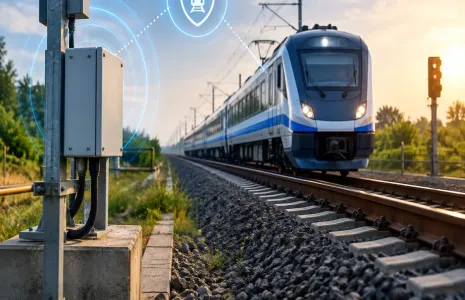
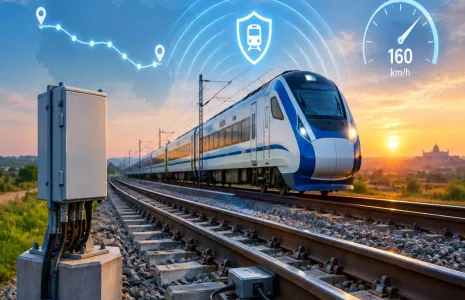
Indian Railways has approved the deployment of Kavach Version four point zero (4.0) on 680 Route Kilometres (RKm) of the Rewari?Delhi and Shakurbasti?Bathinda sections, including feeder branch lines, of the Delhi Division, Northern Railway. The project has been sanctioned at a cost of Rs two point zero six billion (bn). The approval forms part of a planned expansion of the indigenous safety system across strategically important and high density routes.

Kavach is India’s indigenously developed Automatic Train Protection (ATP) system designed to prevent signal passed at danger incidents and to reduce the risk of train collisions. The system continuously monitors train movements and is capable of automatically applying brakes when necessary while permitting trains to operate at maximum permissible speeds. It is intended to support reliable operations during adverse weather conditions such as dense fog.

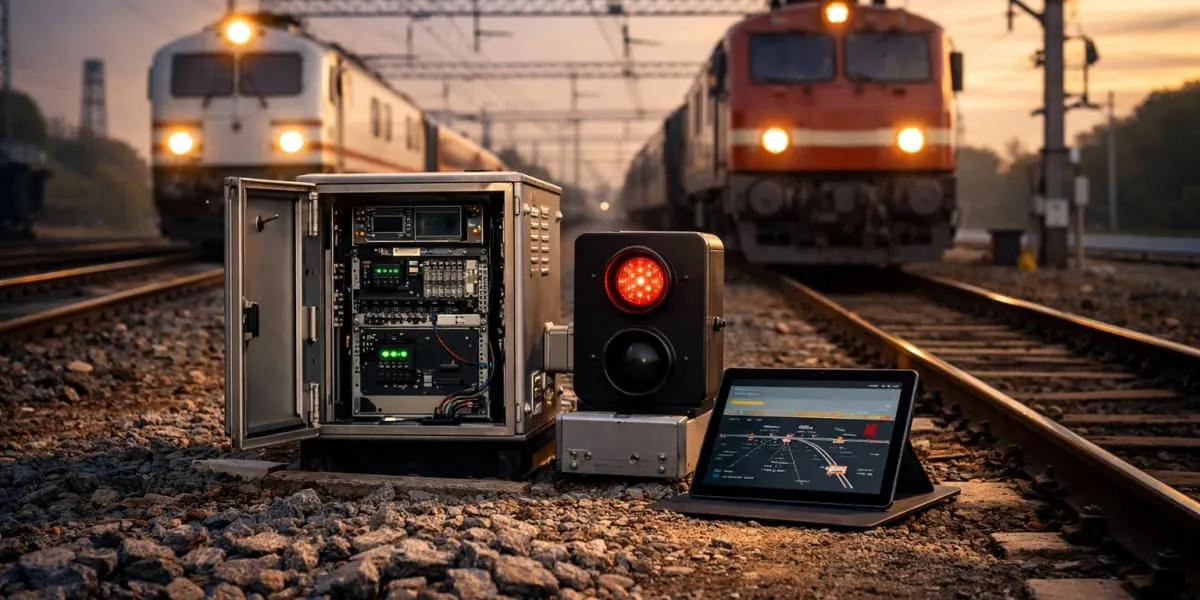
Deployment of Kavach four point zero across these routes will strengthen safety and improve operational efficiency for both passenger and freight services. The rollout reflects Indian Railways strategic priority to adopt technology driven systems to enhance network reliability. The work will include signalling integration and equipment installation on main and feeder lines within the designated RKm.

Implementation will be carried out in phases to minimise operational disruption and to allow testing and calibration of on board and trackside components. Training of staff and coordination with relevant divisions will form part of the deployment process. The approval reinforces the ongoing national programme to expand indigenous ATP capability across critical corridors.

Operational benefits will include reduced incidence of human error related events, improved timetable adherence and greater throughput on busy sections. Maintenance schedules and asset management will be aligned with the new signalling regime to ensure continued performance. The initiative positions domestic technology for wider adoption across the national network.

Indian Railways has approved the deployment of Kavach Version four point zero (4.0) on 680 Route Kilometres (RKm) of the Rewari?Delhi and Shakurbasti?Bathinda sections, including feeder branch lines, of the Delhi Division, Northern Railway. The project has been sanctioned at a cost of Rs two point zero six billion (bn). The approval forms part of a planned expansion of the indigenous safety system across strategically important and high density routes. Kavach is India’s indigenously developed Automatic Train Protection (ATP) system designed to prevent signal passed at danger incidents and to reduce the risk of train collisions. The system continuously monitors train movements and is capable of automatically applying brakes when necessary while permitting trains to operate at maximum permissible speeds. It is intended to support reliable operations during adverse weather conditions such as dense fog. Deployment of Kavach four point zero across these routes will strengthen safety and improve operational efficiency for both passenger and freight services. The rollout reflects Indian Railways strategic priority to adopt technology driven systems to enhance network reliability. The work will include signalling integration and equipment installation on main and feeder lines within the designated RKm. Implementation will be carried out in phases to minimise operational disruption and to allow testing and calibration of on board and trackside components. Training of staff and coordination with relevant divisions will form part of the deployment process. The approval reinforces the ongoing national programme to expand indigenous ATP capability across critical corridors. Operational benefits will include reduced incidence of human error related events, improved timetable adherence and greater throughput on busy sections. Maintenance schedules and asset management will be aligned with the new signalling regime to ensure continued performance. The initiative positions domestic technology for wider adoption across the national network.

Next Story
Infrastructure Transport

Surya Roshni delivers customised lighting for NCRTC RRTS stations

Surya Roshni has supplied customised indoor lighting solutions for 18 elevated stations on the National Capital Region Transport Corporation's (NCRTC) Rapid Rail Transit System (RRTS), strengthening its presence in India's infrastructure lighting segment.The project involved the design and deployment of lighting systems for platforms, concourses, foot overbridges (FOBs) and back-of-house (BOH) areas. According to the company, the luminaires were developed specifically to meet NCRTC's design, operational and performance requirements rather than using standard products.Surya introduced two custo..

Next Story
Real Estate

Hilton debuts Tapestry Collection brand in Vietnam

Hilton has opened NHAAN Resort & Spa Hoi An, Tapestry Collection by Hilton, marking the debut of the Tapestry Collection brand in Vietnam and expanding its lifestyle hospitality portfolio in Southeast Asia.Located along the Co Co River in Cam Thanh village, the 174-key resort provides access to Hoi An Ancient Town, Cua Dai Beach and the Cam Thanh Nipa Forest. The property has been designed by Vietnamese architect Vo Trong Nghia, incorporating biophilic architecture, locally sourced materials and riverfront landscapes.The resort offers a mix of guest rooms and suites, including family-frien..

Next Story
Building Material

Electrent expands lithium energy storage system portfolio

Electrent Energy has expanded its lithium-based energy storage portfolio with the launch of the ESS 850 and ESS 1050, targeting compact and maintenance-free power backup solutions for Indian homes.The new systems integrate a Home UPS and a LiFePO4 lithium battery into a single unit, extending the company's product range following the launch of its ESS 1350 and ESS 2500 models.Designed for apartments and smaller homes, the ESS 850 provides up to 1 hour 15 minutes of backup, while the ESS 1050 offers up to 1 hour 45 minutes on a typical 400 W household load. The systems can power essential appli..

Advertisement

Subscribe to Our Newsletter

Get daily newsletters around different themes from Construction world.

STAY CONNECTED

Advertisement

Advertisement

Advertisement