Indian Railways runs one point three-kilometre double-stack train
RAILWAYS & METRO RAIL

Indian Railways runs one point three-kilometre double-stack train

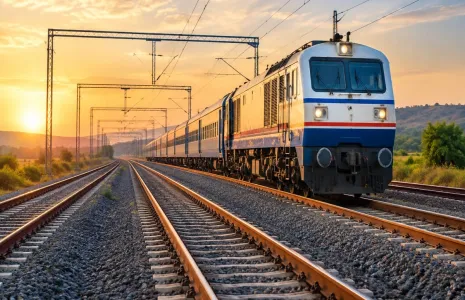
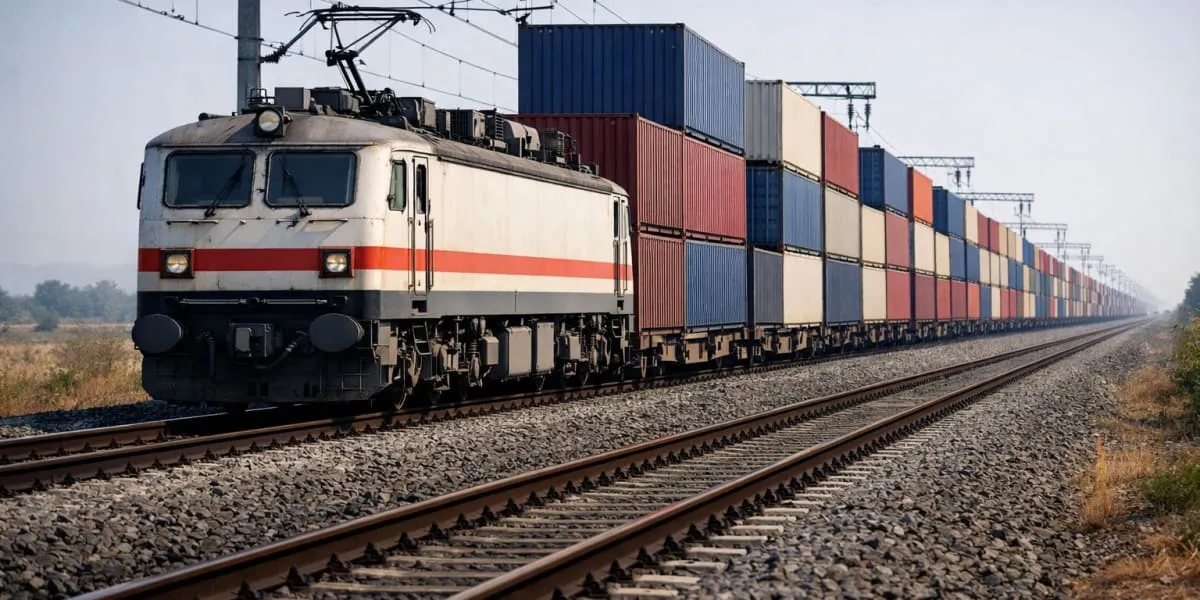
Indian Railways ran a one point three-kilometre double-stack long-haul container train carrying 360 containers from Mumbai to Gujarat in a single movement. The service was electrically hauled and was described by the national transporter as an effort to demonstrate long-haul double-stack capability on dedicated corridors. The operation sought to show how a single movement can shift volumes that would otherwise require numerous trucks. Officials indicated the trial covered route segments suited to high axle loads and clearances.

Double-stack operations increase the number of containers transported per train by stacking units vertically, which permits higher payloads on the same physical train length. That packing efficiency can speed container evacuation at port terminals by reducing the number of trains required to clear accumulations. Railways suggested that concentrated movements along trunk routes can lower terminal dwell times and improve turnaround of rolling stock. This can ease pressure on inland container depots and port handling infrastructure.

Long-haul deployments may also shorten overall transit time through consolidated movement and fewer intermediate stops, enabling more predictable scheduling for shippers. By making better use of mainline capacity, fewer feeder and local movements may be necessary to distribute cargo, which can free up route slots for other services. The practice aligns with wider efforts to optimise freight corridors and integrate port hinterland logistics. Planners expect operational refinements and monitoring to follow further trials.

As the service was electrically hauled, rail freight can reduce reliance on diesel road transport and lower fuel consumption and emissions associated with equivalent truck movements. The national transporter stated that a single long-haul double-stack container train can carry volumes that would otherwise require a large number of trucks, helping to cut road congestion. Wider adoption on appropriate corridors could support modal shift from road to rail and contribute to cleaner freight movement. Further scaling will depend on infrastructure upgrades and operational approvals.

Indian Railways ran a one point three-kilometre double-stack long-haul container train carrying 360 containers from Mumbai to Gujarat in a single movement. The service was electrically hauled and was described by the national transporter as an effort to demonstrate long-haul double-stack capability on dedicated corridors. The operation sought to show how a single movement can shift volumes that would otherwise require numerous trucks. Officials indicated the trial covered route segments suited to high axle loads and clearances. Double-stack operations increase the number of containers transported per train by stacking units vertically, which permits higher payloads on the same physical train length. That packing efficiency can speed container evacuation at port terminals by reducing the number of trains required to clear accumulations. Railways suggested that concentrated movements along trunk routes can lower terminal dwell times and improve turnaround of rolling stock. This can ease pressure on inland container depots and port handling infrastructure. Long-haul deployments may also shorten overall transit time through consolidated movement and fewer intermediate stops, enabling more predictable scheduling for shippers. By making better use of mainline capacity, fewer feeder and local movements may be necessary to distribute cargo, which can free up route slots for other services. The practice aligns with wider efforts to optimise freight corridors and integrate port hinterland logistics. Planners expect operational refinements and monitoring to follow further trials. As the service was electrically hauled, rail freight can reduce reliance on diesel road transport and lower fuel consumption and emissions associated with equivalent truck movements. The national transporter stated that a single long-haul double-stack container train can carry volumes that would otherwise require a large number of trucks, helping to cut road congestion. Wider adoption on appropriate corridors could support modal shift from road to rail and contribute to cleaner freight movement. Further scaling will depend on infrastructure upgrades and operational approvals.

Related Stories

Gold Stories

Next Story
Real Estate

Gradiant expands Coimbatore engineering centre

Gradiant has expanded its Global Engineering Center (GEC) in Coimbatore, more than doubling its engineering workforce from approximately 100 to over 200 professionals as it strengthens its global project execution capabilities.The expanded centre will bring together multidisciplinary expertise across process engineering, detailed design and project engineering, enabling the India team to take on greater responsibility for the engineering and design of Gradiant’s international projects.According to Govind Alagappan, COO, Gradiant, Coimbatore’s engineering talent and industrial heritage make..

Next Story
Infrastructure Urban

Domestic Firms Choose Locally Designed Reactors to Cut Delays

Domestic companies in the nuclear sector are choosing locally designed reactors to avoid time consuming approvals and supply chain bottlenecks that can delay project execution. The shift reflects an emphasis on reducing dependence on foreign designs and accelerating construction schedules by aligning design, manufacturing and regulatory processes within national frameworks. Industry participants expect that locally designed systems will allow closer coordination with regulators and vendors, shortening lead times for certification and component delivery. Localisation is projected to stimulate t..

Next Story
Infrastructure Urban

Kadiyam Kavya Seeks Separate Railway Division For Kazipet

Warangal Member of Parliament Kadiyam Kavya has urged the establishment of a separate railway division based at Kazipet and submitted a representation to the South Central Railway (SCR) general manager at the headquarters in Secunderabad. She highlighted Kazipet's role as a major railway hub and argued that the junction has not seen development commensurate with its strategic importance. The representative action aimed to press for administrative reorganisation to address local operational and developmental needs. She noted that creation of an independent Kazipet division has been a long stand..

Advertisement

Subscribe to Our Newsletter

Get daily newsletters around different themes from Construction world.

STAY CONNECTED

Advertisement