Indian Railways Strengthens Telecom And AI Safety Systems
RAILWAYS & METRO RAIL

Indian Railways Strengthens Telecom And AI Safety Systems

Indian Railways strengthened its telecom and digital infrastructure during 2025-26 with the aim of improving safety, operational efficiency and the passenger experience. The programme promoted modernisation through advanced technologies, robust communication systems and passenger-centric solutions. These measures were presented as part of a drive to build a digitally integrated rail ecosystem.

A key development was the enhancement of the Internet Protocol Multi-Protocol Label Switching (IP MPLS) backbone, commissioned at 1,396 stations to meet bandwidth needs of mission-critical applications. The centralised network enables access to video surveillance and supports core systems such as Mobile Train Radio Communication (MTRC), Passenger Reservation System (PRS), Unreserved Ticketing System (UTS) and Freight Operations Information System (FOIS). The expansion provides a resilient foundation for digital services across the network.

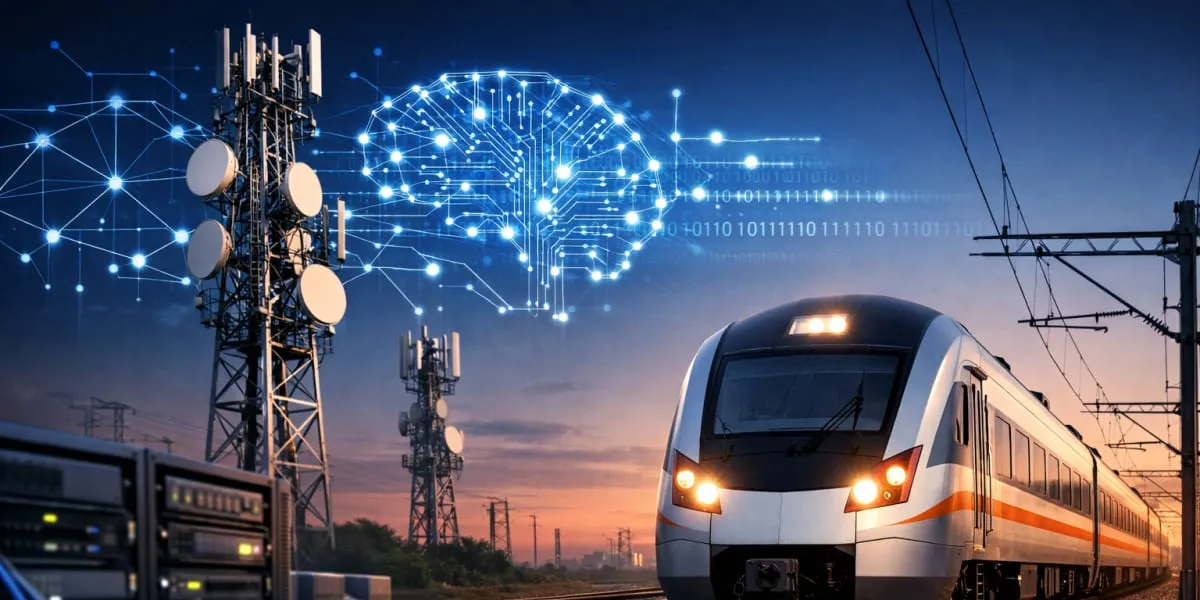
The Video Surveillance System has been extended to 1,874 stations and uses AI-based video analytics for automated detection of intrusion and loitering, along with facial recognition for real-time identification. The Union Railway Minister said that cameras would serve as the eyes of the system and that artificial intelligence would act as its brain, underscoring automation in security. These features are intended to enable proactive incident detection and faster response.

Passenger information systems have been upgraded through the Integrated Passenger Information System (IPIS), which includes electronic train indicator boards, coach guidance systems and public address systems to improve dissemination of train-related information. Integration of IPIS with the National Train Enquiry System (NTES) enables automatic real-time announcements and has been implemented at 1,405 stations. The upgrades aim to improve passenger awareness and reduce information gaps.

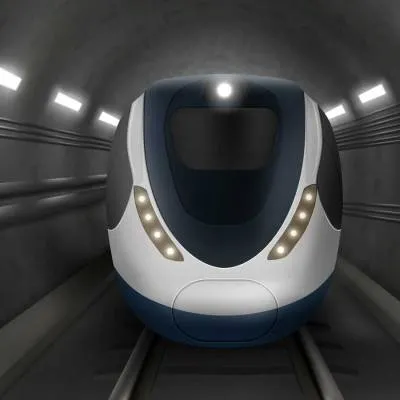
Tunnel communication systems have been installed in several zones, including the Udhampur-Srinagar-Baramulla Rail Link (USBRL), to provide uninterrupted radio connectivity between personnel inside tunnels and operation control centres. The capability is intended to improve coordination and safety in challenging terrains where reliable communication is critical. Together these programmes reflect Indian Railways' commitment to a modern, safe and technology-driven network aligned with the vision of Digital India.

Indian Railways strengthened its telecom and digital infrastructure during 2025-26 with the aim of improving safety, operational efficiency and the passenger experience. The programme promoted modernisation through advanced technologies, robust communication systems and passenger-centric solutions. These measures were presented as part of a drive to build a digitally integrated rail ecosystem. A key development was the enhancement of the Internet Protocol Multi-Protocol Label Switching (IP MPLS) backbone, commissioned at 1,396 stations to meet bandwidth needs of mission-critical applications. The centralised network enables access to video surveillance and supports core systems such as Mobile Train Radio Communication (MTRC), Passenger Reservation System (PRS), Unreserved Ticketing System (UTS) and Freight Operations Information System (FOIS). The expansion provides a resilient foundation for digital services across the network. The Video Surveillance System has been extended to 1,874 stations and uses AI-based video analytics for automated detection of intrusion and loitering, along with facial recognition for real-time identification. The Union Railway Minister said that cameras would serve as the eyes of the system and that artificial intelligence would act as its brain, underscoring automation in security. These features are intended to enable proactive incident detection and faster response. Passenger information systems have been upgraded through the Integrated Passenger Information System (IPIS), which includes electronic train indicator boards, coach guidance systems and public address systems to improve dissemination of train-related information. Integration of IPIS with the National Train Enquiry System (NTES) enables automatic real-time announcements and has been implemented at 1,405 stations. The upgrades aim to improve passenger awareness and reduce information gaps. Tunnel communication systems have been installed in several zones, including the Udhampur-Srinagar-Baramulla Rail Link (USBRL), to provide uninterrupted radio connectivity between personnel inside tunnels and operation control centres. The capability is intended to improve coordination and safety in challenging terrains where reliable communication is critical. Together these programmes reflect Indian Railways' commitment to a modern, safe and technology-driven network aligned with the vision of Digital India.

Next Story
Infrastructure Urban

How Hormuz is Hijacking Indian Highways

At the recently held RAHSTA Round Table on 29th April in Pune, and earlier during our webinars for Cement Expo by Indian Cement Review and by FIRST Construction Council on manufacturing construction equipment for the world, one thread lay common: the industry is being subjected to a cost-push chain reaction moving from crude oil → freight/insurance → steel, cement fuel, bitumen, polymers, packaging, logistics and finally project margins. Indeed, the West Asia crisis caused by the war and the Hormuz Strait blockade, which does not directly concern us, has turned around and hit us. If the wa..

Next Story
Real Estate

Nila Spaces Lists VIDA on Alt DRX, Enables Fractional Ownership

Nila Spaces has listed its GIFT City residential project VIDA on Alt DRX, marking the first tokenised asset under the platform’s “Gujarat Tri-City Investment Opportunity.” The move enables retail investors to participate in premium real estate across Ahmedabad, Gandhinagar and GIFT City starting from the equivalent of 1 sq ft ownership.The initiative aims to address traditional barriers in residential real estate investment, including high entry costs, low liquidity and lengthy transaction cycles. By enabling fractional ownership, the model reduces entry thresholds from Rs 7.5 million–..

Next Story
Real Estate

Mindspace REIT Reports Strong FY26 Performance

Mindspace Business Parks REIT reported a strong performance for Q4 FY26 and FY26, supported by robust leasing activity, rising occupancy and improved financial metrics across its portfolio.Portfolio committed occupancy increased by 1.2 per cent QoQ to 95.7 per cent, while the REIT achieved gross leasing of 3.5 million sq ft in Q4 FY26 and 7.1 million sq ft for the full year. Pre-leasing remained strong, with nearly 2.0 million sq ft secured at Mindspace Madhapur, Hyderabad, reflecting sustained demand from global occupiers.Revenue from operations rose 31.0 per cent YoY to Rs 8.88 billion in Q4..

Advertisement

Subscribe to Our Newsletter

Get daily newsletters around different themes from Construction world.

STAY CONNECTED

Advertisement

Advertisement

Advertisement