+
Indian Railways to Four-lane Seven High-density Routes
RAILWAYS & METRO RAIL

Indian Railways to Four-lane Seven High-density Routes

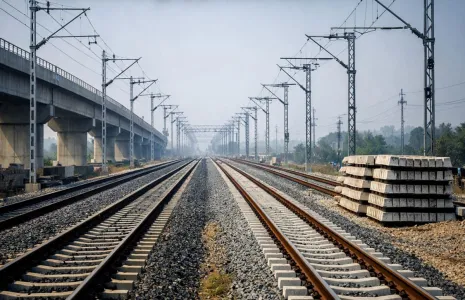
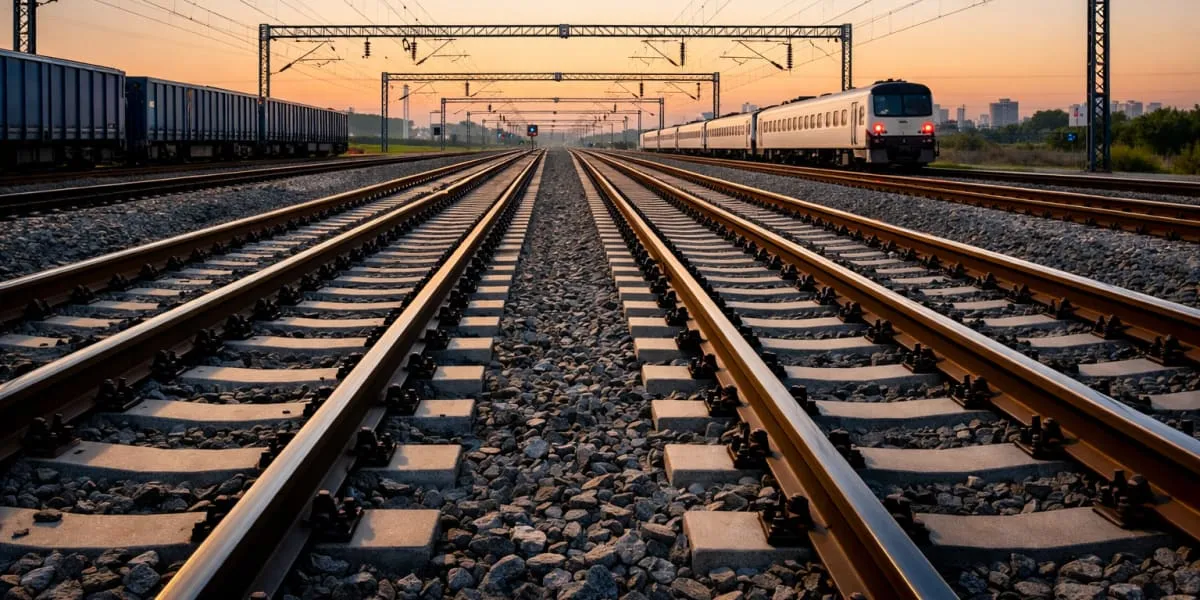
Indian Railways (IR) intends to four-lane seven high-density routes that carry a major share of the country's rail traffic. The routes span nearly 11,000 km and account for around 41 per cent of total railway traffic while covering just 16 per cent of the network.

The seven corridors connect major cities and regions, including Delhi-Howrah, Howrah-Chennai, Chennai-Mumbai, Mumbai-Delhi, Delhi-Chennai, Mumbai-Howrah and Delhi-Guwahati. The project aims to create four railway lines across the high-density network to increase capacity on some of the busiest routes. Phased implementation is planned to limit disruption to existing services and maintain operational continuity.

Union Railway Minister Ashwini Vaishnaw outlined that the expansion is aligned with the vision of Prime Minister Narendra Modi and is intended to support growing passenger and freight movement. The minister highlighted environmental and economic advantages of rail transport and framed the work as part of a broader strategy to reduce transport costs and improve mobility. Officials said the increased line capacity will relieve congestion and improve reliability across the network. Officials indicated improved capacity will support future economic activity along the corridors.

The plan is significant because it targets corridors that already carry a disproportionate share of traffic, enabling better utilisation of infrastructure and faster transit times for long distance services. Four-laning is intended to facilitate greater freight throughput and offer shippers lower logistics costs, supporting industrial and regional growth. Implementation will require phased investment, coordination across zones and careful management of construction to minimise disruption.

The expansion forms part of a larger effort to build a railway network with greater capacity and cleaner mobility under the current government. Authorities will monitor outcomes to ensure the benefits accrue to both passengers and freight customers. Stakeholder engagement and intergovernmental coordination will be important during execution to deliver timely benefits.

Indian Railways (IR) intends to four-lane seven high-density routes that carry a major share of the country's rail traffic. The routes span nearly 11,000 km and account for around 41 per cent of total railway traffic while covering just 16 per cent of the network. The seven corridors connect major cities and regions, including Delhi-Howrah, Howrah-Chennai, Chennai-Mumbai, Mumbai-Delhi, Delhi-Chennai, Mumbai-Howrah and Delhi-Guwahati. The project aims to create four railway lines across the high-density network to increase capacity on some of the busiest routes. Phased implementation is planned to limit disruption to existing services and maintain operational continuity. Union Railway Minister Ashwini Vaishnaw outlined that the expansion is aligned with the vision of Prime Minister Narendra Modi and is intended to support growing passenger and freight movement. The minister highlighted environmental and economic advantages of rail transport and framed the work as part of a broader strategy to reduce transport costs and improve mobility. Officials said the increased line capacity will relieve congestion and improve reliability across the network. Officials indicated improved capacity will support future economic activity along the corridors. The plan is significant because it targets corridors that already carry a disproportionate share of traffic, enabling better utilisation of infrastructure and faster transit times for long distance services. Four-laning is intended to facilitate greater freight throughput and offer shippers lower logistics costs, supporting industrial and regional growth. Implementation will require phased investment, coordination across zones and careful management of construction to minimise disruption. The expansion forms part of a larger effort to build a railway network with greater capacity and cleaner mobility under the current government. Authorities will monitor outcomes to ensure the benefits accrue to both passengers and freight customers. Stakeholder engagement and intergovernmental coordination will be important during execution to deliver timely benefits.

Related Stories

Gold Stories

Next Story
Infrastructure Transport

97 Per Cent Of Rongjeng-Mangsang-Adokgre Road Nears Completion

Deputy Chief Minister in-charge of public works Prestone Tynsong said in Shillong on 26 August that 97 per cent physical progress had been achieved on the ongoing Rongjeng-Mangsang-Adokgre road being constructed under the Non-Lapsable Central Pool of Resources (NLCPR). He noted the project was sanctioned in 2017 and that the stipulated time for completion had been 24 months from issue of the final work order. The deputy chief minister informed the assembly that the government had decided to include the remaining work under a World Bank project. In reply to a query from Rongjeng MLA Jim M Sangm..

Next Story
Infrastructure Transport

First TBM Starts Digging Five Point Three Kilometre Tunnel Under SGNP

The Goregaon-Mulund Link Road (GMLR) Phase three (B) project has reached a key milestone as the first tunnel boring machine (TBM) began excavation of the first of two tunnels beneath the Sanjay Gandhi National Park (SGNP). The machine, named Tulsi, started cutting a five point three kilometre bore that will link Dadasaheb Phalke Chitranagari in Goregaon East with Amar Nagar in Mulund West. Officials issued a statement noting the commencement of tunnelling work under the protected green belt. The twin tunnels are being constructed using mechanised tunnelling methods that aim to limit surface di..

Next Story
Infrastructure Transport

UP Approves Two Expressways And Rs 240 bn Infrastructure Push

The Uttar Pradesh Cabinet approved a series of infrastructure and industrial investment proposals totalling Rs 240 billion (Rs 240 bn), including two major expressway projects, a manufacturing and logistics cluster in Sultanpur and incentives for 11 industrial projects across the state. The decisions, taken at a meeting chaired by Chief Minister Yogi Adityanath, underline the state government’s focus on expanding road connectivity around emerging industrial hubs while attracting manufacturing investment to districts beyond major urban centres. The approvals cover both greenfield expressway c..

Advertisement

Subscribe to Our Newsletter

Get daily newsletters around different themes from Construction world.

STAY CONNECTED

Advertisement

SPECIAL OFFER
QR Code