Kolkata Metro Launches India's First Battery Backup System
RAILWAYS & METRO RAIL

Kolkata Metro Launches India's First Battery Backup System

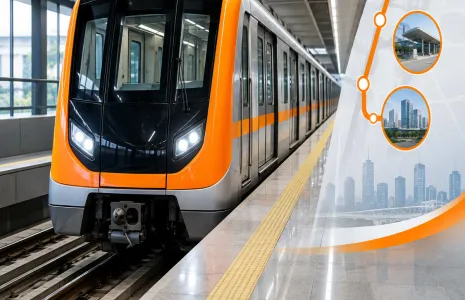
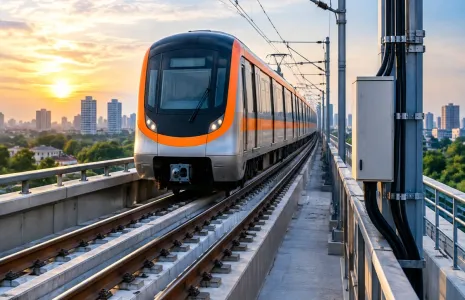
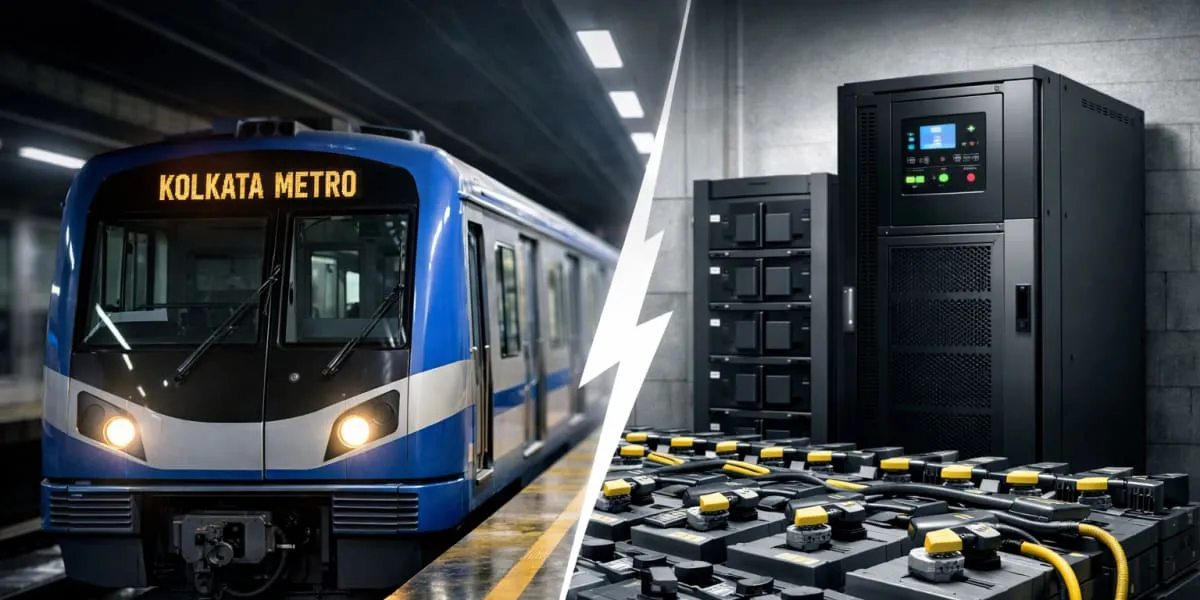
Kolkata Metro has launched India’s first battery backup system on the Blue Line, marking a significant step in urban rail resilience. The Kolkata Metro authority said the new system will provide uninterrupted power to critical functions during grid outages and help maintain service continuity for commuters. The deployment on the Blue Line places the city among Indian metros adopting new measures to minimise disruption. The initiative is intended to strengthen emergency response and passenger safety without altering scheduled operations.

The battery backup system (BBS) has been designed to support signalling, lighting, ventilation and essential communications when external power is unavailable. The BBS will bridge short term outages and provide controlled power during prolonged interruptions so that trains can be brought to safe points and station systems can continue to operate. Technical teams completed integration work with existing infrastructure and conducted validation tests prior to commissioning to ensure compatibility and reliability. The deployment follows international practice in enhancing resilience for mass transit networks.

Officials said the upgrade is expected to reduce service disruptions and to improve passenger confidence by ensuring critical systems remain functional during incidents. Operators will be able to manage power transitions with procedures developed during the installation phase and control room staff will monitor performance metrics. Maintenance schedules and safety protocols have been updated to reflect the new equipment and teams have been trained in battery system management and emergency procedures. The project is presented as part of broader efforts to modernise urban transit infrastructure.

The initial rollout on the Blue Line will be monitored to assess operational benefits and any lessons will inform future deployments across the network. Authorities indicated that the system is intended to enhance reliability while aligning with plans to improve service quality for daily commuters. The launch was accompanied by technical briefings for staff and by the establishment of monitoring regimes to track performance and to schedule maintenance. The Kolkata Metro expects the measure to contribute to a more resilient and dependable urban rail service.

Kolkata Metro has launched India’s first battery backup system on the Blue Line, marking a significant step in urban rail resilience. The Kolkata Metro authority said the new system will provide uninterrupted power to critical functions during grid outages and help maintain service continuity for commuters. The deployment on the Blue Line places the city among Indian metros adopting new measures to minimise disruption. The initiative is intended to strengthen emergency response and passenger safety without altering scheduled operations. The battery backup system (BBS) has been designed to support signalling, lighting, ventilation and essential communications when external power is unavailable. The BBS will bridge short term outages and provide controlled power during prolonged interruptions so that trains can be brought to safe points and station systems can continue to operate. Technical teams completed integration work with existing infrastructure and conducted validation tests prior to commissioning to ensure compatibility and reliability. The deployment follows international practice in enhancing resilience for mass transit networks. Officials said the upgrade is expected to reduce service disruptions and to improve passenger confidence by ensuring critical systems remain functional during incidents. Operators will be able to manage power transitions with procedures developed during the installation phase and control room staff will monitor performance metrics. Maintenance schedules and safety protocols have been updated to reflect the new equipment and teams have been trained in battery system management and emergency procedures. The project is presented as part of broader efforts to modernise urban transit infrastructure. The initial rollout on the Blue Line will be monitored to assess operational benefits and any lessons will inform future deployments across the network. Authorities indicated that the system is intended to enhance reliability while aligning with plans to improve service quality for daily commuters. The launch was accompanied by technical briefings for staff and by the establishment of monitoring regimes to track performance and to schedule maintenance. The Kolkata Metro expects the measure to contribute to a more resilient and dependable urban rail service.

Next Story
Equipment

India CE Industry Ends FY26 on a Steady Recovery Path

India’s construction equipment industry closed FY26 on a stable note, reflecting measured resilience and gradually improving momentum. Total sales in Q4 FY26 rose 4 per cent year on year to 42,906 units, extending the recovery seen over the past two years.Domestic demand for the full year remained under pressure, declining 7 per cent, but exports provided strong support. Overall exports grew 31 per cent, while non-OEM exports increased 13 per cent, highlighting sustained demand from overseas markets.March 2026 further underlined the recovery, with sales rising 6 per cent year on year and 13 ..

Next Story
Infrastructure Urban

Leaders Question FIR Against Anil Agarwal

Several industry and public figures have questioned the FIR filed against Anil Agarwal following the boiler accident in Chhattisgarh, while also expressing condolences over the loss of lives and calling for a thorough investigation.Naveen Jindal said the tragedy was deeply painful and stressed that compensation, livelihood support for affected families and a fair probe were essential. He also questioned naming Agarwal in the FIR before completion of the investigation.Kiran Bedi urged restraint, saying investigations should focus on learning lessons and strengthening systems rather than prematu..

Next Story
Infrastructure Urban

Tier 2, 3 Cities Drive 66% of New D2C Orders

Tier 2 and Tier 3 cities accounted for 66 per cent of new direct-to-consumer (D2C) orders in FY 2026, according to a new analysis by Unicommerce.The report said buyers from smaller cities also contributed 60 per cent of incremental gross merchandise value (GMV) in FY 2026 compared with FY 2025, highlighting rising demand beyond metro markets.Overall, India’s D2C segment recorded strong growth, with order volumes rising 33 per cent and GMV increasing 32 per cent year-on-year. The findings are based on more than 400 million order items processed through brand websites on Unicommerce’s Uniwar..

Advertisement

Subscribe to Our Newsletter

Get daily newsletters around different themes from Construction world.

STAY CONNECTED

Advertisement

Advertisement

Advertisement