Patna Metro Tunnel Completed Between Stadium And Gandhi Maidan
RAILWAYS & METRO RAIL

Patna Metro Tunnel Completed Between Stadium And Gandhi Maidan

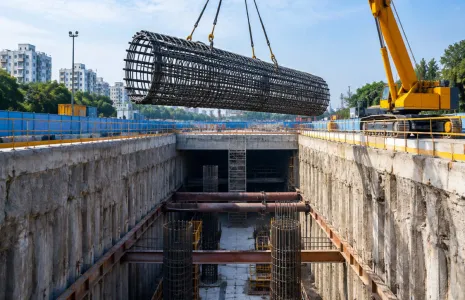
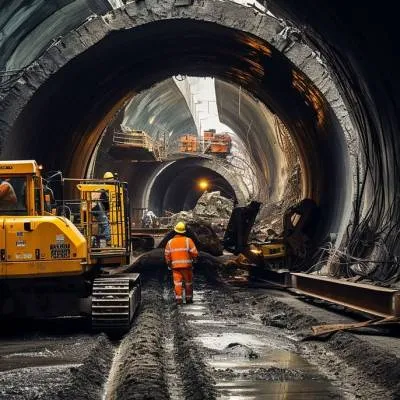
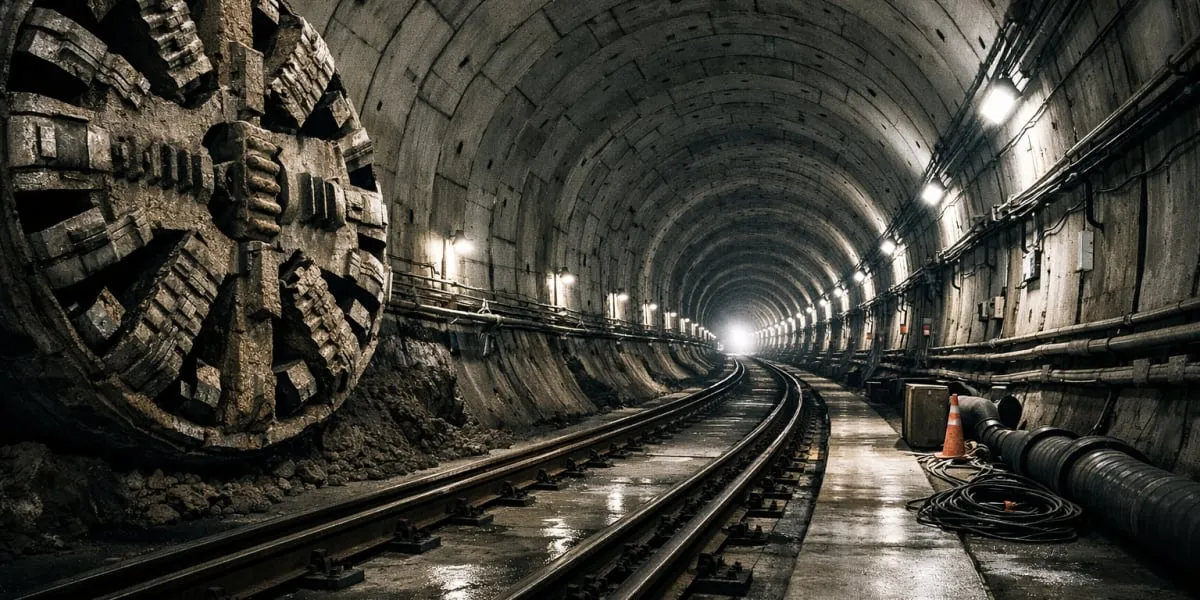
Patna Metro has completed tunnel excavation between Moin-ul-Haq Stadium and Gandhi Maidan, a major milestone for the underground section of the priority corridor. Authorities said the finished stretch will help to ease congestion across some of the city’s busiest districts and brings the corridor closer to its planned launch later this year.

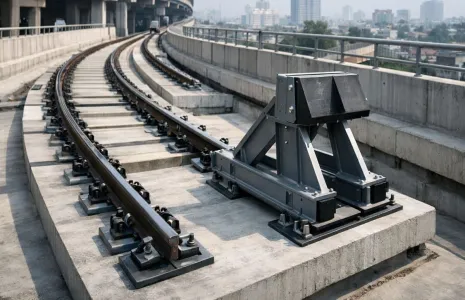
Work on the adjoining section between Gandhi Maidan and Akashvani is about 90 per cent complete and engineers indicated that the remaining excavation should conclude shortly, allowing track installation and systems work to begin. Construction activity is now shifting to the next phase, with tunnelling along Nehru Path scheduled to begin in June. Soil testing for the route has been completed and preparations are under way to deploy a tunnel boring machine, which is expected to accelerate progress once launched.

The underground network will link Patna University, PMCH and Rajendra Nagar before continuing towards Akashvani and ultimately reaching Patna Junction, and much of the route will run beneath existing infrastructure including railway lines, which adds to engineering complexity. Preparatory works along Nehru Path are visible on the ground, with barricading installed near the Income Tax roundabout, Vikas Bhawan and Sanjay Gandhi Biological Park. Plans include a new underground station near Vidhut Bhawan to improve connectivity to the state secretariat and nearby government offices.

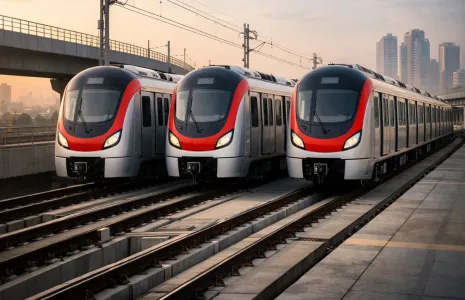
Limited metro operations have already begun on parts of the network, including Patliputra Bus Terminal, Zero Mile and Bhutnath stations, and officials are preparing to extend services to Malahi Pakri in the coming weeks as part of the first phase rollout. The project was approved in 2019 at an estimated cost of Rs 133.65 billion (Rs 13,365 crore) and comprises a 31.9 km network split evenly between underground and elevated sections. Two corridors are planned, linking Danapur to Mithapur via Patna railway station, and Patna railway station to Bairiya bus stand via Gandhi Maidan and Rajendra Nagar. With tunnelling advancing and initial services under way, the scheme is entering a critical phase that will determine whether the promised urban transit system meets its latest deadline.

Patna Metro has completed tunnel excavation between Moin-ul-Haq Stadium and Gandhi Maidan, a major milestone for the underground section of the priority corridor. Authorities said the finished stretch will help to ease congestion across some of the city’s busiest districts and brings the corridor closer to its planned launch later this year. Work on the adjoining section between Gandhi Maidan and Akashvani is about 90 per cent complete and engineers indicated that the remaining excavation should conclude shortly, allowing track installation and systems work to begin. Construction activity is now shifting to the next phase, with tunnelling along Nehru Path scheduled to begin in June. Soil testing for the route has been completed and preparations are under way to deploy a tunnel boring machine, which is expected to accelerate progress once launched. The underground network will link Patna University, PMCH and Rajendra Nagar before continuing towards Akashvani and ultimately reaching Patna Junction, and much of the route will run beneath existing infrastructure including railway lines, which adds to engineering complexity. Preparatory works along Nehru Path are visible on the ground, with barricading installed near the Income Tax roundabout, Vikas Bhawan and Sanjay Gandhi Biological Park. Plans include a new underground station near Vidhut Bhawan to improve connectivity to the state secretariat and nearby government offices. Limited metro operations have already begun on parts of the network, including Patliputra Bus Terminal, Zero Mile and Bhutnath stations, and officials are preparing to extend services to Malahi Pakri in the coming weeks as part of the first phase rollout. The project was approved in 2019 at an estimated cost of Rs 133.65 billion (Rs 13,365 crore) and comprises a 31.9 km network split evenly between underground and elevated sections. Two corridors are planned, linking Danapur to Mithapur via Patna railway station, and Patna railway station to Bairiya bus stand via Gandhi Maidan and Rajendra Nagar. With tunnelling advancing and initial services under way, the scheme is entering a critical phase that will determine whether the promised urban transit system meets its latest deadline.

Related Stories

Gold Stories

Next Story
Infrastructure Urban

KONE Opens India's First Digital Experience Centre in Pune

KONE, a global elevator and escalator manufacturer, has inaugurated its first Digital Experience Centre (DEC) in India, located in Pune. The facility aims to showcase how artificial intelligence (AI), connectivity and data-driven technologies can enhance customer experiences and improve building operations.The centre was inaugurated by Jussi Herlin, Executive Vice Chair, KONE Corporation; Philippe Delorme, President and CEO, KONE; and Nandan Nilekani, Co-founder and Chairman of the Board, Infosys.Designed as an interactive customer environment, the facility demonstrates digital solutions cover..

Next Story
Infrastructure Urban

CII GreenCo Launches Circularity Guidelines for Indian Industry

The Confederation of Indian Industry (CII) GreenCo Council has launched the CII GreenCo Circularity Guidelines – Pilot Version at the 17th CII GreenCo Waste & Resource Management Summit 2026 in Chennai. The initiative aims to strengthen resource efficiency, waste reduction and circular economy practices across Indian manufacturing and process industries.The guidelines introduce a structured framework with circularity indices covering raw materials, consumables, packaging and other resource inputs. These indicators will help industries assess existing practices, identify opportunities to ..

Next Story
Infrastructure Energy

Global Electronics Association Launches IPC-1783-CO2E Standard

The Global Electronics Association has introduced IPC-1783-CO2E, a new international standard aimed at improving consistency, transparency and comparability in product carbon footprint reporting across the electronics manufacturing industry.The standard, titled International Standard for Data Collection and Reporting of CO2 Equivalent (CO2e) Emissions for the Electronics Manufacturing Supply Chain, provides industry-specific guidance for collecting, estimating and reporting carbon emissions data.With increasing regulatory requirements and customer expectations, electronics manufacturers face c..

Advertisement

Subscribe to Our Newsletter

Get daily newsletters around different themes from Construction world.

STAY CONNECTED

Advertisement

SPECIAL OFFER
QR Code