+
East-West Freight Corridor to Boost Madhya Pradesh Growth
PORTS & SHIPPING

East-West Freight Corridor to Boost Madhya Pradesh Growth

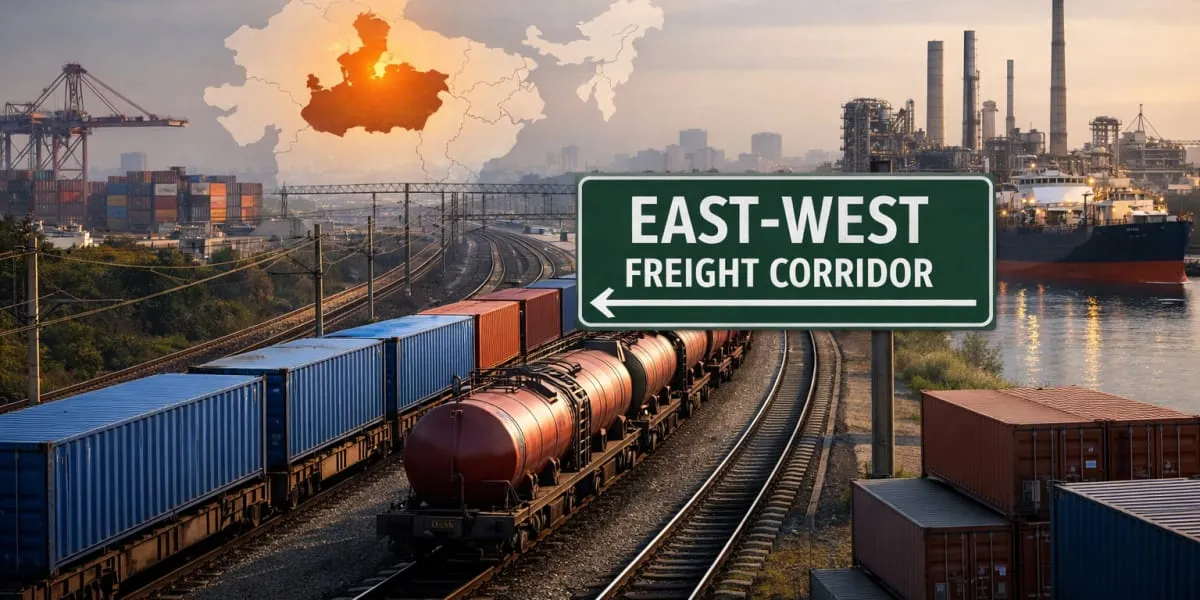
Railways Minister Ashwini Vaishnaw said the new East-West dedicated freight corridor will bolster industrial growth in Madhya Pradesh by improving logistics and export capacity. The ministry described the infrastructure as a strategic link to reconfigure freight movement across the region. The announcement presented the corridor as a catalyst for regional economic integration.

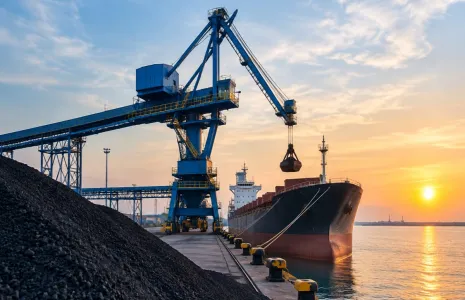
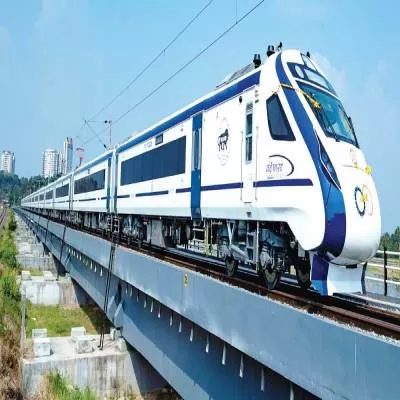
The corridor will link Dankuni in the east with Surat on the west coast, creating a continuous freight artery that avoids congested passenger lines. Dedicated freight tracks are intended to carry longer trains and heavier loads to improve efficiency. Planners expect the alignment to strengthen connections between industrial clusters and seaports.

Industry groups said reduced transit times and lower logistics costs should make Madhya Pradesh goods more competitive abroad. The corridor is expected to support expansion of manufacturing and agro-processing by ensuring reliable movement of inputs and finished products. Exporters will benefit from improved access to western ports and more predictable shipping schedules. Investors may view better connectivity as an incentive for new facilities and capacity additions.

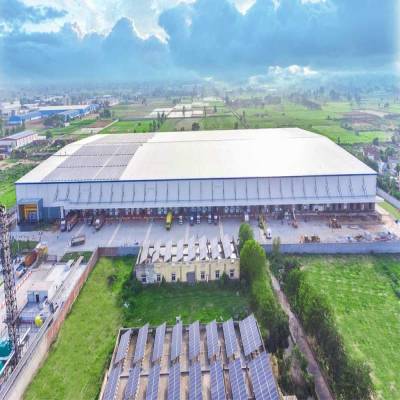
Supply chains in metals, automobiles and consumer goods should see faster turnrounds and more predictable services. The corridor could stimulate logistics parks, warehousing and multimodal hubs along its route. Construction and operations are likely to generate employment in both direct and ancillary roles. This may contribute to a more diversified and resilient state economy.

Implementation will require coordination between the central rail ministry and state authorities on land, clearances and last mile connectivity. Railways agencies must integrate the corridor with existing freight terminals and port interfaces to realise capacity gains. Project planners will consider alignment choices to balance speed with access to industrial nodes. Sustained policy support is essential to translate plans into measurable outcomes.

In the longer term the East-West freight corridor aims to deepen integration of Madhya Pradesh within national and global value chains. By lowering logistics frictions the project seeks to unlock industrial potential and encourage private investment. Stakeholders stressed that complementary state initiatives will be needed to fully capture the corridor's benefits.

Railways Minister Ashwini Vaishnaw said the new East-West dedicated freight corridor will bolster industrial growth in Madhya Pradesh by improving logistics and export capacity. The ministry described the infrastructure as a strategic link to reconfigure freight movement across the region. The announcement presented the corridor as a catalyst for regional economic integration. The corridor will link Dankuni in the east with Surat on the west coast, creating a continuous freight artery that avoids congested passenger lines. Dedicated freight tracks are intended to carry longer trains and heavier loads to improve efficiency. Planners expect the alignment to strengthen connections between industrial clusters and seaports. Industry groups said reduced transit times and lower logistics costs should make Madhya Pradesh goods more competitive abroad. The corridor is expected to support expansion of manufacturing and agro-processing by ensuring reliable movement of inputs and finished products. Exporters will benefit from improved access to western ports and more predictable shipping schedules. Investors may view better connectivity as an incentive for new facilities and capacity additions. Supply chains in metals, automobiles and consumer goods should see faster turnrounds and more predictable services. The corridor could stimulate logistics parks, warehousing and multimodal hubs along its route. Construction and operations are likely to generate employment in both direct and ancillary roles. This may contribute to a more diversified and resilient state economy. Implementation will require coordination between the central rail ministry and state authorities on land, clearances and last mile connectivity. Railways agencies must integrate the corridor with existing freight terminals and port interfaces to realise capacity gains. Project planners will consider alignment choices to balance speed with access to industrial nodes. Sustained policy support is essential to translate plans into measurable outcomes. In the longer term the East-West freight corridor aims to deepen integration of Madhya Pradesh within national and global value chains. By lowering logistics frictions the project seeks to unlock industrial potential and encourage private investment. Stakeholders stressed that complementary state initiatives will be needed to fully capture the corridor's benefits.

Next Story
Infrastructure Urban

Implementation Status of Jal Jeevan Mission

Since August 2019 the Government has implemented Jal Jeevan Mission to provide assured potable water through household tap connections in rural India. At the start of the mission only 32.3 million (mn) rural households, representing 16.7 per cent, were reported to have tap water connections. States and union territories have reported that 125.8 mn additional rural households have since been provided with tap connections. As a result, of about 193.6 mn rural households roughly 158.2 mn, or 81.71 per cent, are reported to have tap water supply at home.\n\nThe State, district and village level st..

Next Story
Infrastructure Urban

Jal Jeevan Mission Reaches Eighty One Per Cent Rural Coverage

The Government reported substantial progress under the Jal Jeevan Mission, launched in August 2019 to provide tap water to every rural household. At launch only 32.3 million (mn) rural households had tap connections and states and Union territories reported provision of 125.8 mn additional households by March 2026. Consequently, out of about 193.6 mn rural households around 158.2 mn, or 81.71 per cent, are reported to have tap water at home. The Finance Minister announced extension of the mission until 2028 in the 2025-26 budget speech. The Swachh Bharat Mission Grameen, launched in October 20..

Next Story
Infrastructure Urban

Empowering Local Governance for Sustainable Rural Water Supply

The Ministry of Jal Shakti has aligned the Jal Jeevan Mission (JJM) with the 73rd Amendment to strengthen village level planning and community ownership of water supply. Gram Panchayats, village water and sanitation committees and Pani Samitis are to plan, implement, manage and maintain piped water systems, with gram sabha processes formalising handover and oversight. Implementation support agencies including non government organisations, community based organisations and self help groups have been empanelled to train local committees and promote women participation. Under JJM, the department ..

Advertisement

Subscribe to Our Newsletter

Get daily newsletters around different themes from Construction world.

STAY CONNECTED

Advertisement

Advertisement

Advertisement