JNPA Achieves Nearly 12% Growth in October Container Traffic
PORTS & SHIPPING

JNPA Achieves Nearly 12% Growth in October Container Traffic

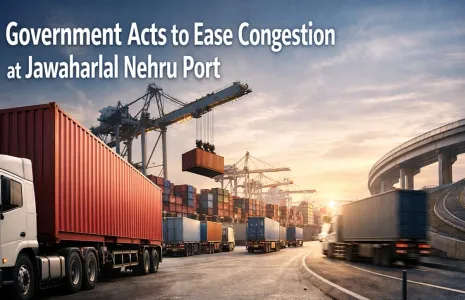
The Jawaharlal Nehru Port Authority (JNPA) has reported a notable rise in container traffic for October, with figures showing an increase of nearly 12% year-on-year. This growth highlights JNPA’s position as a critical gateway for India’s containerized trade, reinforcing its role in bolstering economic activity and trade connectivity.

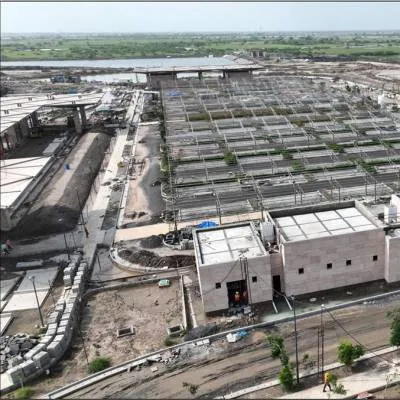
October’s figures reflect the port’s successful operational strategies and continued improvements in infrastructure and efficiency, contributing to enhanced cargo movement. The port's increased container handling capacity and recent infrastructure upgrades have played a pivotal role in meeting higher demand, facilitating faster turnaround times for vessels, and improving overall service quality for importers and exporters.

The rise in container traffic also aligns with JNPA’s broader objectives of optimizing trade logistics and supporting India’s growing export sector. As part of India’s maritime expansion strategy, JNPA has been proactive in adopting new technologies and upgrading port facilities, which has helped attract increased shipping volumes.

This growth trend at JNPA underscores the resilience and capability of India’s port infrastructure, with positive implications for the nation’s logistics and trade sectors.

The Jawaharlal Nehru Port Authority (JNPA) has reported a notable rise in container traffic for October, with figures showing an increase of nearly 12% year-on-year. This growth highlights JNPA’s position as a critical gateway for India’s containerized trade, reinforcing its role in bolstering economic activity and trade connectivity. October’s figures reflect the port’s successful operational strategies and continued improvements in infrastructure and efficiency, contributing to enhanced cargo movement. The port's increased container handling capacity and recent infrastructure upgrades have played a pivotal role in meeting higher demand, facilitating faster turnaround times for vessels, and improving overall service quality for importers and exporters. The rise in container traffic also aligns with JNPA’s broader objectives of optimizing trade logistics and supporting India’s growing export sector. As part of India’s maritime expansion strategy, JNPA has been proactive in adopting new technologies and upgrading port facilities, which has helped attract increased shipping volumes. This growth trend at JNPA underscores the resilience and capability of India’s port infrastructure, with positive implications for the nation’s logistics and trade sectors.

Next Story
Infrastructure Transport

Dhalbhumgarh Airport Faces 150-km Rule Hurdle

The issue has resurfaced following a recent statement by Union Civil Aviation Minister Ram Mohan Naidu, who said that under existing aviation policy, a new greenfield airport is generally not permitted within an aerial distance of 150 kilometres of an operational civilian airport. He added, however, that if a formal proposal is submitted, its impact on the existing airport can be examined and relaxations may be considered on a case-by-case basis. While the clarification has revived some hope for Dhalbhumgarh, it has also underlined the scale of the technical challenge facing the project. Unde..

Next Story
Infrastructure Transport

Stakeholders Seek Parallel Ops For Vizag Airports

With road and metro rail links to Bhogapuram still several years away, stakeholders in north Andhra Pradesh have renewed demands to continue civil operations at INS Dega even after the commissioning of Bhogapuram International Airport. The new airport is expected to begin commercial operations from June. Officials said close to 80 per cent of the airport infrastructure at Bhogapuram, including the terminal building and internal approach roads, has already been completed. However, inadequate external connectivity remains a key concern. Making a case for parallel operations, Andhra Pradesh Air ..

Next Story
Infrastructure Transport

Govt To Roll Out V2V Tech To Cut Road Crashes

In an effort to curb road accidents, particularly in low-visibility conditions such as dense fog, the government is set to roll out vehicle-to-vehicle (V2V) communication technology that will allow cars to exchange real-time data and alert drivers to potential dangers. The announcement was made by Union Road Transport and Highways Minister Nitin Gadkari after the 43rd meeting of the Transport Development Council. The technology involves installing an on-board unit (OBU) in vehicles, enabling wireless data exchange between nearby cars. This will allow vehicles to share information such as spee..

Advertisement

Subscribe to Our Newsletter

Get daily newsletters around different themes from Construction world.

STAY CONNECTED

Advertisement

Advertisement

Advertisement

Advertisement

Open In App