Smart City Electric Bus Drivers Maintain Strike In Dehradun
SMART CITIES

Smart City Electric Bus Drivers Maintain Strike In Dehradun

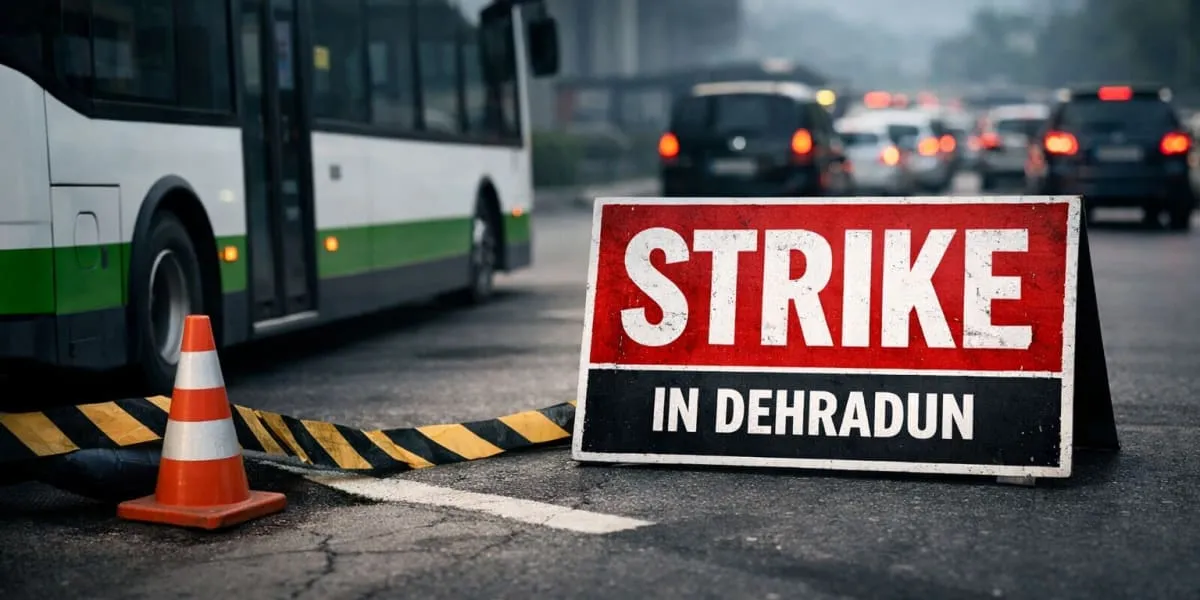
Drivers of Smart City electric buses in the provisional state capital continued a work boycott on Wednesday as unfulfilled demands remained outstanding. Residents have faced difficulties reaching destinations owing to the unavailability of electric buses, resulting in increased reliance on alternative transport. The strike has disrupted scheduled routes and prompted travellers to seek alternatives, extending journey times and contributing to congestion on major corridors. The disruption has affected routine commuting patterns across the city and raised concerns among local commuters.

Smart City Kalyan Samiti secretary Gulshan Kumar stated that there are around 30 electric buses operating in the city, staffed by about 60 drivers. He indicated that all 30 buses were non-operational as the drivers were boycotting their work. The buses form part of the urban transport plan intended to improve connectivity, and the absence of services has placed pressure on other modes of public transport.

Kumar alleged that one driver, who assumed a managerial role and misbehaved with colleagues, imposed his own driving rules and operated buses after consuming alcohol. The matter was raised with the relevant authorities with a request for the removal of that driver. Kumar claimed that, rather than taking action, the authorities backed that individual and instead terminated the employment of several e-bus drivers, including himself. The termination has heightened tensions and prompted the union to press for reinstatement and an inquiry into conduct and disciplinary decisions.

He added that a letter had been sent to the concerned authorities but no remedial action had been taken to date. The work boycott is to continue until the drivers' demands are addressed, according to the union position. Municipal and transport officials have been urged to intervene to restore services and mitigate commuter inconvenience. Local stakeholders have been called on to facilitate dialogue to resolve the dispute and resume normal operations.

Drivers of Smart City electric buses in the provisional state capital continued a work boycott on Wednesday as unfulfilled demands remained outstanding. Residents have faced difficulties reaching destinations owing to the unavailability of electric buses, resulting in increased reliance on alternative transport. The strike has disrupted scheduled routes and prompted travellers to seek alternatives, extending journey times and contributing to congestion on major corridors. The disruption has affected routine commuting patterns across the city and raised concerns among local commuters. Smart City Kalyan Samiti secretary Gulshan Kumar stated that there are around 30 electric buses operating in the city, staffed by about 60 drivers. He indicated that all 30 buses were non-operational as the drivers were boycotting their work. The buses form part of the urban transport plan intended to improve connectivity, and the absence of services has placed pressure on other modes of public transport. Kumar alleged that one driver, who assumed a managerial role and misbehaved with colleagues, imposed his own driving rules and operated buses after consuming alcohol. The matter was raised with the relevant authorities with a request for the removal of that driver. Kumar claimed that, rather than taking action, the authorities backed that individual and instead terminated the employment of several e-bus drivers, including himself. The termination has heightened tensions and prompted the union to press for reinstatement and an inquiry into conduct and disciplinary decisions. He added that a letter had been sent to the concerned authorities but no remedial action had been taken to date. The work boycott is to continue until the drivers' demands are addressed, according to the union position. Municipal and transport officials have been urged to intervene to restore services and mitigate commuter inconvenience. Local stakeholders have been called on to facilitate dialogue to resolve the dispute and resume normal operations.

Related Stories

Gold Stories

Next Story
Building Material

From Rough to Refined: How Modern Plastering Is Changing Wall Finishes

When Rohan first walked into his newly constructed home, he imagined what it would become—a warm living room, a bright bedroom, and walls smooth enough to complement his carefully chosen interiors.But there was one problem.The walls didn't look anything like the finished home he had imagined.They were uneven in places, rough to the touch, and covered with visible patches and minor surface imperfections. Rohan initially thought paint would fix everything.His contractor had a different answer.“Before the paint, we need to get the plastering right.”That conversation made Rohan realise somet..

Next Story
Infrastructure Urban

Embraer to Acquire 51 Per Cent Stake in Mahindra Aerospace Arm

Brazilian aerospace major Embraer will acquire a 51 per cent equity stake in Novavayu Aerospace, a step-down subsidiary of Mahindra and Mahindra, under an Investment Agreement notified by the automobile company in an exchange filing. The transaction will give Embraer control of the aerospace business. Following completion of the acquisition, Novavayu Aerospace will cease to be a wholly owned subsidiary and become an associate of Mahindra Defence Systems, which is a step-down wholly owned subsidiary of Mahindra and Mahindra. The agreement is expected to be completed on or before December 1. Mah..

Next Story
Infrastructure Urban

RBI Opens Special Dollar Window for Three State-Run OMCs

The Reserve Bank of India (RBI) has opened a special facility to meet the entire daily US dollar requirements of three public sector oil marketing companies (OMCs), in a move aimed at easing pressure on the Indian rupee. The facility will take effect on October 12, 2026, and remain available until further notice. Indian Oil Corporation, Hindustan Petroleum Corporation and Bharat Petroleum Corporation are eligible to use the arrangement. Under the facility, the RBI will sell US dollars to the three companies through designated banks, allowing them to meet their oil-import payments without sourc..

Advertisement

Subscribe to Our Newsletter

Get daily newsletters around different themes from Construction world.

STAY CONNECTED

Advertisement

SPECIAL OFFER
QR Code