Dehradun Commissioner Urges Faster Legacy Waste Clearance
WATER & WASTE

Dehradun Commissioner Urges Faster Legacy Waste Clearance

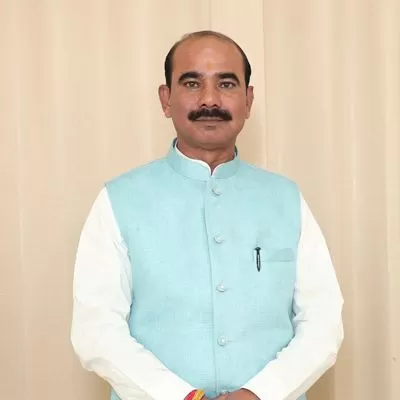
Municipal commissioner Alok Kumar Pandey has urged a strengthening of Dehradun's waste management system and the acceleration of legacy waste disposal. He reported that the city generates about 572 tonnes (t) of waste every day, with the quantity occasionally increasing to as much as 645 t per day. The scale of daily generation, he said, demands sustained operational focus by the municipal corporation.

Pandey noted that processing of daily waste is functioning satisfactorily despite certain shortcomings and instructed officials to address identified gaps. He emphasised the need for continuous monitoring and incremental improvements to ensure efficient processing of waste generated across the city. He called for enhanced coordination with collection contractors and the adoption of performance metrics to close operational gaps.

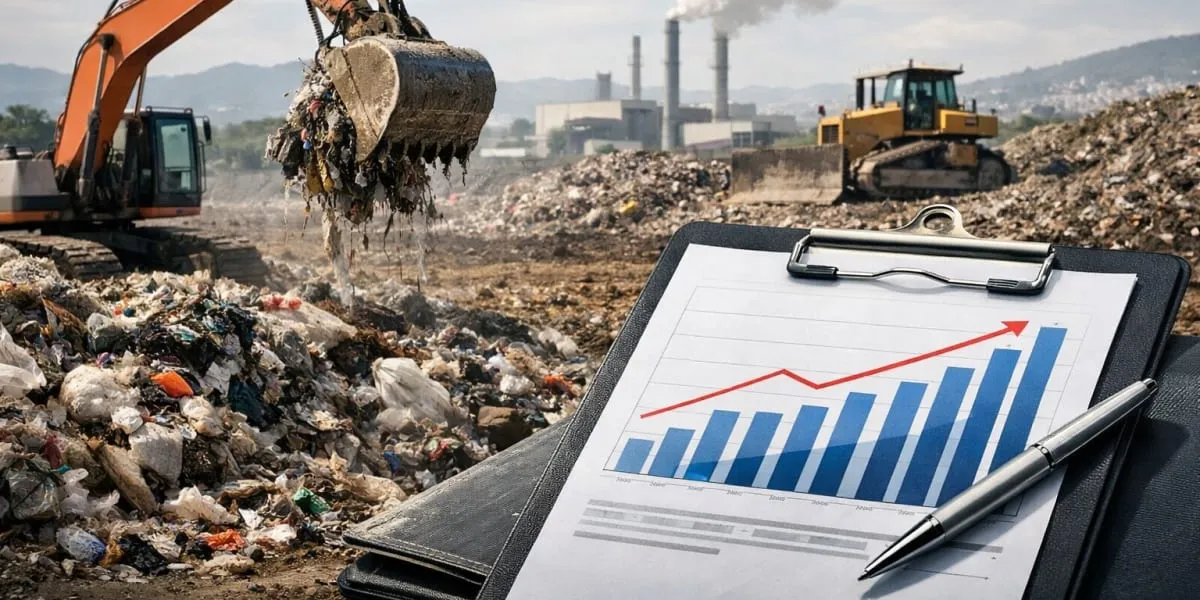
He expressed concern over the slow pace of legacy waste clearance and described accumulated material as posing environmental and public health challenges, making timely removal a priority for the corporation. He directed officials to prepare an effective action plan and to prioritise measures that would expedite the clearance of legacy waste from identified sites.

Discussions have been held with Dehradun Smart City Limited officials to explore a range of technical and logistical options for a long term solution. The commissioner urged inter agency coordination and the mobilisation of resources to strengthen disposal mechanisms and reduce backlog. He recommended evaluation of temporary processing hubs and improved scheduling to accelerate clearance without disrupting daily services.

He also highlighted the need to improve operational efficiency and adopt practical solutions to address the growing waste burden in Dehradun, noting that coordinated efforts by all departments will be crucial. The corporation, he said, must ensure that necessary measures are implemented at the earliest to achieve long term cleanliness and environmental sustainability goals. He urged regular review of progress against time bound targets.

"Join industry leaders at RAHSTA Expo, India's premier platform for roads, highways and traffic infrastructure. Register now to explore innovations, network with experts and shape the future of mobility."

Municipal commissioner Alok Kumar Pandey has urged a strengthening of Dehradun's waste management system and the acceleration of legacy waste disposal. He reported that the city generates about 572 tonnes (t) of waste every day, with the quantity occasionally increasing to as much as 645 t per day. The scale of daily generation, he said, demands sustained operational focus by the municipal corporation. Pandey noted that processing of daily waste is functioning satisfactorily despite certain shortcomings and instructed officials to address identified gaps. He emphasised the need for continuous monitoring and incremental improvements to ensure efficient processing of waste generated across the city. He called for enhanced coordination with collection contractors and the adoption of performance metrics to close operational gaps. He expressed concern over the slow pace of legacy waste clearance and described accumulated material as posing environmental and public health challenges, making timely removal a priority for the corporation. He directed officials to prepare an effective action plan and to prioritise measures that would expedite the clearance of legacy waste from identified sites. Discussions have been held with Dehradun Smart City Limited officials to explore a range of technical and logistical options for a long term solution. The commissioner urged inter agency coordination and the mobilisation of resources to strengthen disposal mechanisms and reduce backlog. He recommended evaluation of temporary processing hubs and improved scheduling to accelerate clearance without disrupting daily services. He also highlighted the need to improve operational efficiency and adopt practical solutions to address the growing waste burden in Dehradun, noting that coordinated efforts by all departments will be crucial. The corporation, he said, must ensure that necessary measures are implemented at the earliest to achieve long term cleanliness and environmental sustainability goals. He urged regular review of progress against time bound targets.

Next Story
Infrastructure Transport

RITES Expands NUPPL Railway Siding Contract To Rs1,489.3 mn

RITES Limited has expanded the scope of its railway siding contract with Neyveli Uttar Pradesh Power Limited (NUPPL), increasing the contract value to Rs1,489.3 million (mn) from Rs1,201.3 million (mn). The revision covers comprehensive operation and maintenance of the NUPPL/GTPP railway siding and includes hiring of locomotives on a wet-lease basis. The locomotive hire is for a period of 48 months and forms part of the extended operational scope under the agreement. The overall execution period remains five years from the original Memorandum of Understanding dated 13 February 2025, with the e..

Next Story
Infrastructure Urban

India Office Leasing Rises Six Per Cent In H1 2026

A Colliers India report said India's Grade A office market recorded gross leasing of 35.7 million (mn) square feet in the first half of 2026, up six per cent year-on-year despite a softer second quarter amid global trade disruptions. Leasing in April–June totalled 17.4 mn square feet, down two per cent from a year earlier, while Grade A absorption exceeded 15 mn square feet for the ninth consecutive quarter across seven markets. Demand was supported by Global Capability Centres (GCCs), technology firms and flexible workspace operators. Bengaluru led leasing with 10.5 mn square feet in H1 and..

Next Story
Real Estate

PE Investments Fall 23 per cent To Rs 1.13 bn In H1 2026

Private equity investments in the Indian real estate sector fell 23 per cent year-on-year to Rs 1.13 billion (bn) in the first half of 2026, down from Rs 1.47 bn in H1 of 2025, as investors adopted a more selective approach amid elevated global interest rates, tighter financial conditions and heightened geopolitical uncertainty. The finding appears in Knight Frank's Trends in Private Equity Investment in India: H1 2026 report. Despite the overall decline, the office segment remained the preferred asset class, accounting for 89 per cent of private equity allocations in H1 2026, with the residen..

Advertisement

Subscribe to Our Newsletter

Get daily newsletters around different themes from Construction world.

STAY CONNECTED

Advertisement

Advertisement

Advertisement