

Henkel Achieves Carbon-Neutral Production in India, Türkiye
Products

Henkel Achieves Carbon-Neutral Production in India, Türkiye

Henkel has achieved carbon-neutral production at its Kurkumbh facility in India and Gebkim plant in Türkiye, marking a significant milestone in the company's sustainability roadmap. The two Adhesive Technologies flagship sites have eliminated Scope 1 and Scope 2 emissions, supporting Henkel's ambition to decarbonise its operations by 2030.

The achievement aligns with Henkel's science-based climate targets, which focus on reducing operational greenhouse gas emissions through energy efficiency, electrification and the phase-out of fossil fuels, while expanding the use of renewable energy across its global manufacturing network.

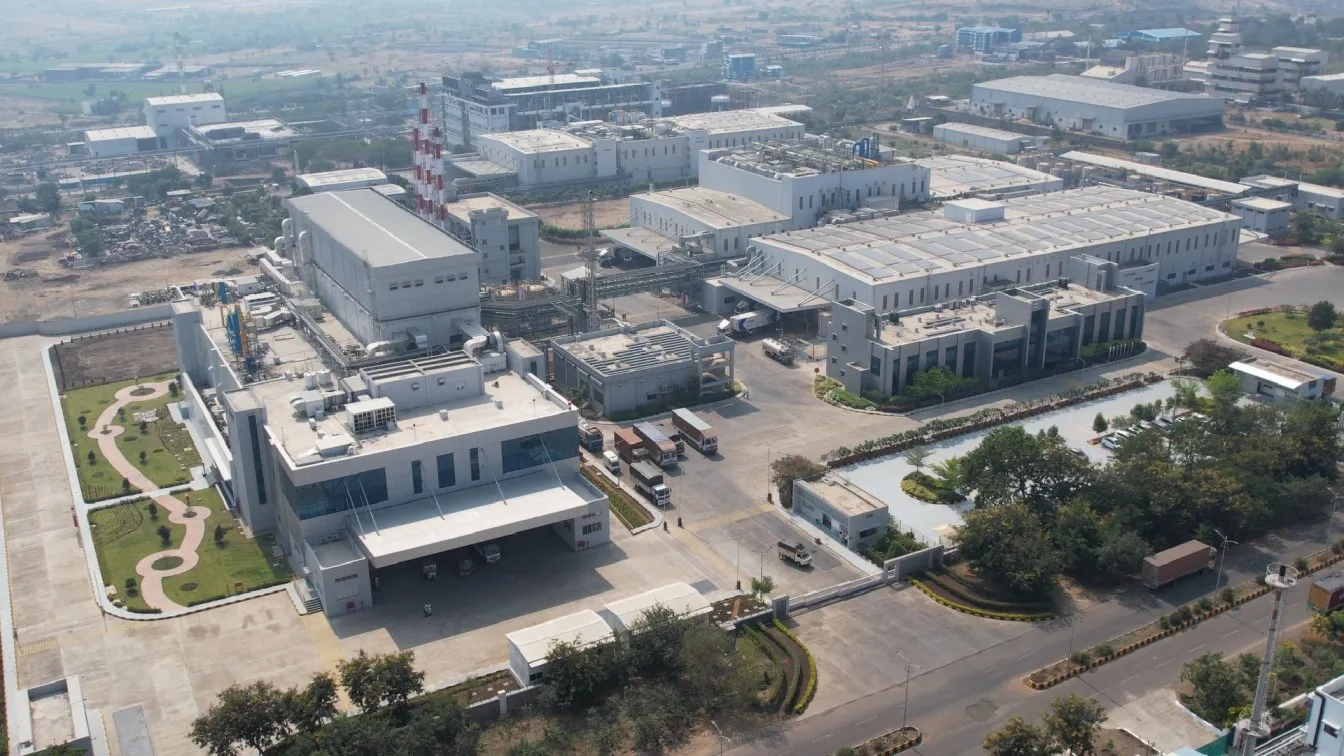
At the Kurkumbh facility, Henkel replaced furnace oil-based thermic fluid heaters with high-efficiency electric systems, eliminating fossil fuel consumption. The transition involved upgrading the site's energy infrastructure, optimising heat loads, installing advanced heat exchangers and expanding electrical capacity to support full electrification. Coupled with the shift to 100 per cent renewable electricity, the measures eliminated approximately 11,300 tonnes of CO2 equivalent emissions by reducing both Scope 1 and Scope 2 emissions to zero.

At its Gebkim plant in Türkiye, the company replaced a natural gas-fired boiler with a high-efficiency electric boiler system. The move eliminated direct fossil fuel use and reduced Scope 1 emissions to zero, resulting in an annual reduction of around 956 tonnes of CO2 equivalent.

“Achieving carbon-neutral production at two of our key Flagship sites in IMEA is a strong step forward in delivering on Henkel Adhesive Technologies’ global sustainability ambitions,” commented Simon Ulmann, VP Supply Chain & Operations IMEA, Henkel Adhesive Technologies.

“Our ambition is clear: we are systematically eliminating fossil fuels from all our operations and replacing them with electrified processes powered by renewable energy. Our manufacturing milestone in both Kurkumbh and Gebkim show how we can translate our strategy into tangible impact at site level, accelerating our journey toward net-zero operations.”

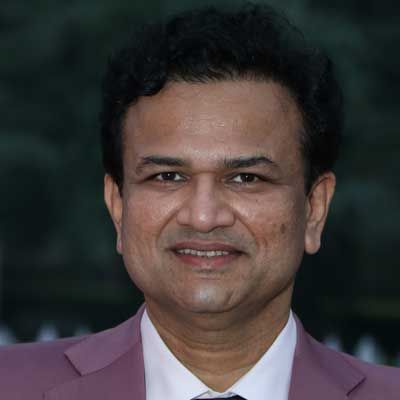
“Achieving carbon neutrality at our Kurkumbh site underscores our strong commitment to sustainable growth, responsible manufacturing, and operational excellence,” said Bappa Bandyopadhyay, Director Operations & Projects India, Henkel Adhesive Technologies. “Through renewable energy adoption and continuous efficiency improvements, we have significantly reduced our carbon footprint while upholding the highest standards of safety, quality, and performance. This milestone shows that sustainability and business performance can advance together to create long-term value.”

Henkel said the initiatives demonstrate how electrification and renewable energy adoption can be scaled across regions to support its broader net-zero ambitions while enabling customers to advance their own sustainability objectives.

Henkel has achieved carbon-neutral production at its Kurkumbh facility in India and Gebkim plant in Türkiye, marking a significant milestone in the company's sustainability roadmap. The two Adhesive Technologies flagship sites have eliminated Scope 1 and Scope 2 emissions, supporting Henkel's ambition to decarbonise its operations by 2030.The achievement aligns with Henkel's science-based climate targets, which focus on reducing operational greenhouse gas emissions through energy efficiency, electrification and the phase-out of fossil fuels, while expanding the use of renewable energy across its global manufacturing network.At the Kurkumbh facility, Henkel replaced furnace oil-based thermic fluid heaters with high-efficiency electric systems, eliminating fossil fuel consumption. The transition involved upgrading the site's energy infrastructure, optimising heat loads, installing advanced heat exchangers and expanding electrical capacity to support full electrification. Coupled with the shift to 100 per cent renewable electricity, the measures eliminated approximately 11,300 tonnes of CO2 equivalent emissions by reducing both Scope 1 and Scope 2 emissions to zero.At its Gebkim plant in Türkiye, the company replaced a natural gas-fired boiler with a high-efficiency electric boiler system. The move eliminated direct fossil fuel use and reduced Scope 1 emissions to zero, resulting in an annual reduction of around 956 tonnes of CO2 equivalent.“Achieving carbon-neutral production at two of our key Flagship sites in IMEA is a strong step forward in delivering on Henkel Adhesive Technologies’ global sustainability ambitions,” commented Simon Ulmann, VP Supply Chain & Operations IMEA, Henkel Adhesive Technologies.“Our ambition is clear: we are systematically eliminating fossil fuels from all our operations and replacing them with electrified processes powered by renewable energy. Our manufacturing milestone in both Kurkumbh and Gebkim show how we can translate our strategy into tangible impact at site level, accelerating our journey toward net-zero operations.”“Achieving carbon neutrality at our Kurkumbh site underscores our strong commitment to sustainable growth, responsible manufacturing, and operational excellence,” said Bappa Bandyopadhyay, Director Operations & Projects India, Henkel Adhesive Technologies. “Through renewable energy adoption and continuous efficiency improvements, we have significantly reduced our carbon footprint while upholding the highest standards of safety, quality, and performance. This milestone shows that sustainability and business performance can advance together to create long-term value.”Henkel said the initiatives demonstrate how electrification and renewable energy adoption can be scaled across regions to support its broader net-zero ambitions while enabling customers to advance their own sustainability objectives.

Next Story
Infrastructure Urban

AI Powered Security Robot To Debut At Puri Station

The East Coast Railway (ECoR) has unveiled an artificial intelligence powered robotic surveillance platform that will be deployed at Puri railway station ahead of Lord Jagannath's Bahuda Yatra on 24 July to enhance passenger safety and security. The platform, named DSC ARJUN, was revealed in the presence of ECoR General Manager Parmeshwar Funkwal and senior railway and Railway Protection Force (RPF) officers. ECoR officials said the system has been introduced as a temporary deployment for the festival and may later be shifted to Bhubaneswar railway station. Developed to support Railway Protect..

Next Story
Infrastructure Urban

India Eases RCMC Rule For Low Value Exports

The Directorate General of Foreign Trade (DGFT) has proposed exempting low value export consignments from the requirement to hold a registration-cum-membership certificate (RCMC), in a move intended to simplify compliance for small exporters. The proposal targets shipments with a free-on-board value of up to Rs 10,000 and seeks to reduce paperwork for first time exporters and micro, small and medium enterprises. The announcement forms part of a wider government effort to encourage exports through online platforms and emerging delivery channels. Under the proposed amendment to Paragraph 2.57 of..

Next Story
Infrastructure Urban

Assam Launches Centre Of Excellence For Additive Manufacturing

The Assam government has inaugurated a Digital Design and additive manufacturing centre of excellence in Guwahati, signalling a push towards technology driven manufacturing across the state. Chief Minister Himanta Biswa Sarma opened the facility and outlined its intended role in fostering innovation, product development and entrepreneurship. The centre will provide industries, startups and researchers with access to advanced digital manufacturing tools and additive manufacturing capabilities. Officials said the facility aims to strengthen the state innovation ecosystem and reduce dependence on..

Advertisement

Subscribe to Our Newsletter

Get daily newsletters around different themes from Construction world.

STAY CONNECTED

Advertisement

Advertisement

Advertisement