Biogas Plant Commissioned In Arunachal Pradesh
OIL & GAS

Biogas Plant Commissioned In Arunachal Pradesh

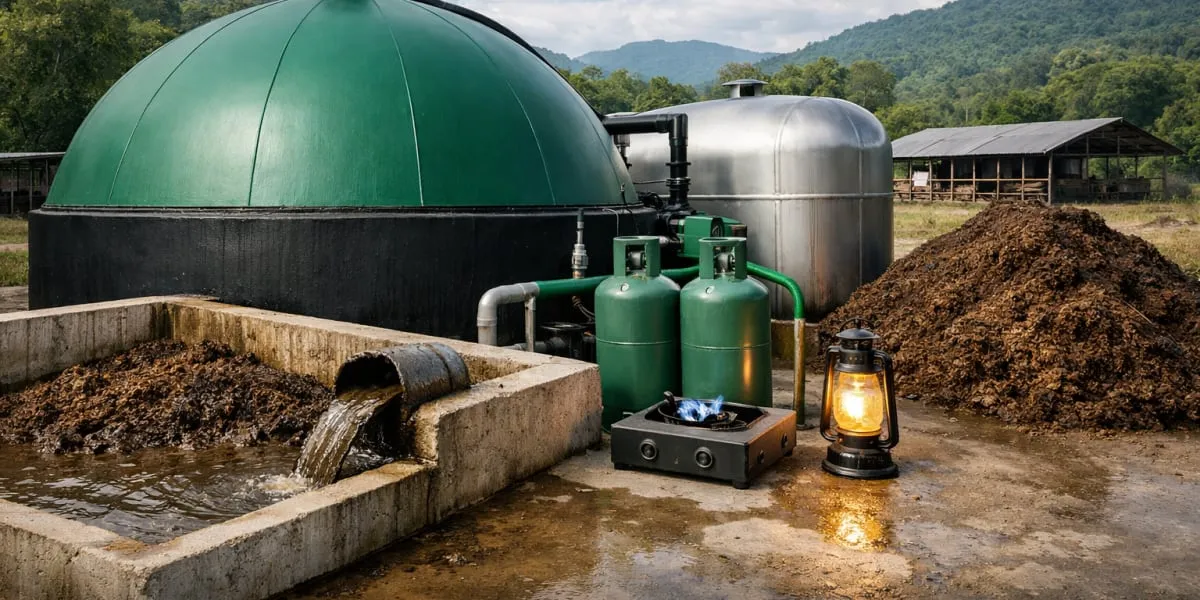
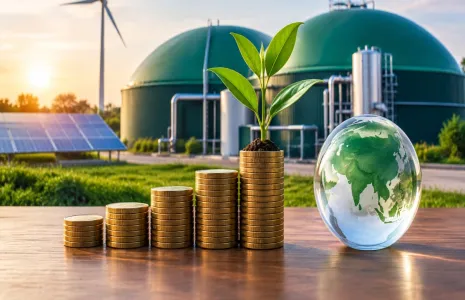
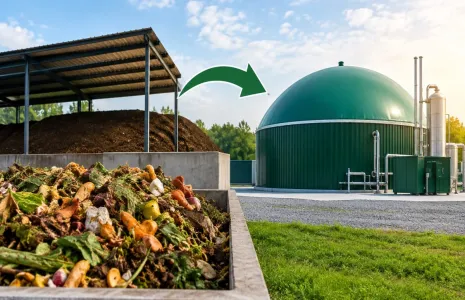
A 30 cubic metre biogas plant has been commissioned at the Central Cattle Breeding Farm in Nirjuli, Arunachal Pradesh to convert cow dung into biogas for cooking and lighting. The plant supplies fuel to over 12 families on the farm and produces nutrient rich slurry that can be used to improve soil fertility. The project is intended to reduce dependence on liquefied petroleum gas and to cut local pollution. It forms part of a broader push towards sustainable living by turning livestock waste into useful resources.

Arunachal Pradesh Energy Development Agency (APEDA) fast tracked the commissioning in collaboration with the AHV and DD department and with support from relevant state offices. Officials said the plant was inaugurated on 27 March 2026 and that officers from planning, power and the animal husbandry wings attended the event. Names listed among those present included the commissioner RK Sharma and the secretary YVVJ Rajasekhar. The gathering underscored interdepartmental cooperation in advancing renewable energy projects.

The minister in charge, Gabriel D Wangsu, directed the department to prepare proposals to increase capacity and to replicate similar biogas plants across state farms. He instructed officials to promote clean energy adoption, to support organic farming practices and to prioritise effective utilisation of cattle waste for fuel and soil enrichment. The minister observed that such measures would reduce reliance on LPG and contribute to pollution mitigation while offering economic benefits to rural households. The directions reflect a policy push for sustainable agriculture and energy at the grassroots level.

The project in charge, Dr Taba Heli, described the commissioning as a meaningful step towards a greener future that turns waste into usable resources and supports sustainable living. He urged farmers and field officers to replicate the model at the grassroots to secure long term benefits and to foster resilience in rural energy supplies. The plant is presented as a replicable template that combines waste management, renewable energy generation and organic fertiliser production. Continued monitoring and proposals for scaling up are expected to guide further deployments across the state.

A 30 cubic metre biogas plant has been commissioned at the Central Cattle Breeding Farm in Nirjuli, Arunachal Pradesh to convert cow dung into biogas for cooking and lighting. The plant supplies fuel to over 12 families on the farm and produces nutrient rich slurry that can be used to improve soil fertility. The project is intended to reduce dependence on liquefied petroleum gas and to cut local pollution. It forms part of a broader push towards sustainable living by turning livestock waste into useful resources. Arunachal Pradesh Energy Development Agency (APEDA) fast tracked the commissioning in collaboration with the AHV and DD department and with support from relevant state offices. Officials said the plant was inaugurated on 27 March 2026 and that officers from planning, power and the animal husbandry wings attended the event. Names listed among those present included the commissioner RK Sharma and the secretary YVVJ Rajasekhar. The gathering underscored interdepartmental cooperation in advancing renewable energy projects. The minister in charge, Gabriel D Wangsu, directed the department to prepare proposals to increase capacity and to replicate similar biogas plants across state farms. He instructed officials to promote clean energy adoption, to support organic farming practices and to prioritise effective utilisation of cattle waste for fuel and soil enrichment. The minister observed that such measures would reduce reliance on LPG and contribute to pollution mitigation while offering economic benefits to rural households. The directions reflect a policy push for sustainable agriculture and energy at the grassroots level. The project in charge, Dr Taba Heli, described the commissioning as a meaningful step towards a greener future that turns waste into usable resources and supports sustainable living. He urged farmers and field officers to replicate the model at the grassroots to secure long term benefits and to foster resilience in rural energy supplies. The plant is presented as a replicable template that combines waste management, renewable energy generation and organic fertiliser production. Continued monitoring and proposals for scaling up are expected to guide further deployments across the state.

Next Story
Equipment

MYCRANE Crosses 1,000 Customers in India

MYCRANE, the global platform for crane rental and purchase, has achieved major commercial milestones in India, reinforcing the country’s position as one of its fastest-growing strategic markets. The company has surpassed 1,000 registered customers and 1,000 crane suppliers nationwide, while completing more than 100 paid orders.The growth reflects rising adoption of digital procurement solutions across India’s construction, infrastructure, energy and industrial sectors. Equipment sourced through the platform is supporting projects across the country, with several leading contractors and EPC..

Next Story
Infrastructure Urban

AMTOE 2026 Opens Global Machine Tool Sourcing Hub

The Asian Machine Tool Online Exhibition 2026 (AMTOE 2026) has officially opened as a B2B sourcing platform connecting global buyers with verified Asian suppliers across the machine tool and manufacturing sector. The exhibition will run until 31 October 2026 through a hybrid online and offline model, offering extended sourcing and business networking opportunities.Co-organised by AsianNet and TradeAsia, the event aims to strengthen links between Asian manufacturers and international importers while improving cross-border procurement efficiency and supplier matching.Since launching in 2022, AMT..

Next Story
Infrastructure Energy

Vedanta Lifts Renewable Energy Use by Over 50%

On World Earth Day, Vedanta Limited announced that its renewable energy usage rose by over 50 per cent year on year to 3.97 billion units in FY26, helping avoid 3 million tonnes of carbon dioxide emissions.The company said its portfolio of metals, minerals, power, and oil & gas continues to support advanced manufacturing, electrification, energy transition and clean technology. Aluminium, copper and silver remain critical for applications such as mobility, power transmission, renewable infrastructure and solar photovoltaics, while iron, steel and zinc continue to support energy infrastruct..

Advertisement

Subscribe to Our Newsletter

Get daily newsletters around different themes from Construction world.

STAY CONNECTED

Advertisement

Advertisement

Advertisement