+
Gujarat Rajasthan and UP Supply Nearly Two-Thirds of Solar Additions
POWER & RENEWABLE ENERGY

Gujarat Rajasthan and UP Supply Nearly Two-Thirds of Solar Additions

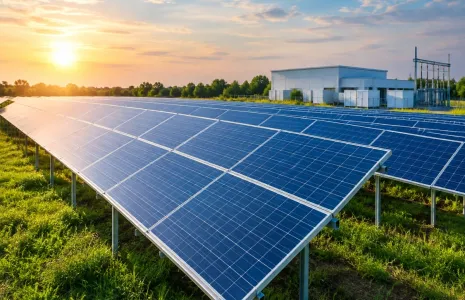
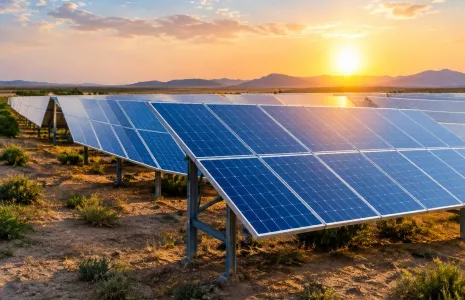
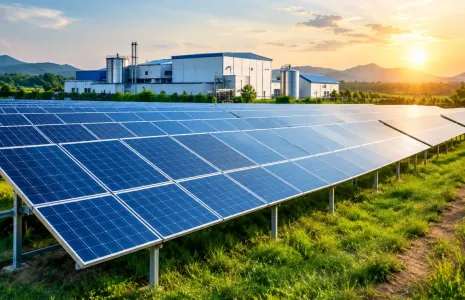
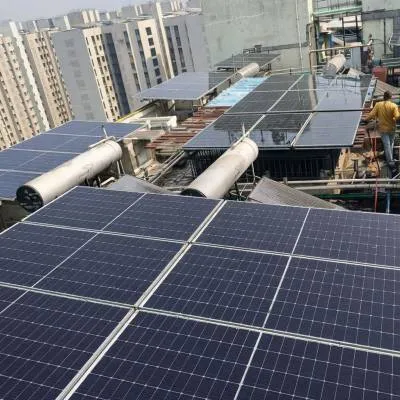
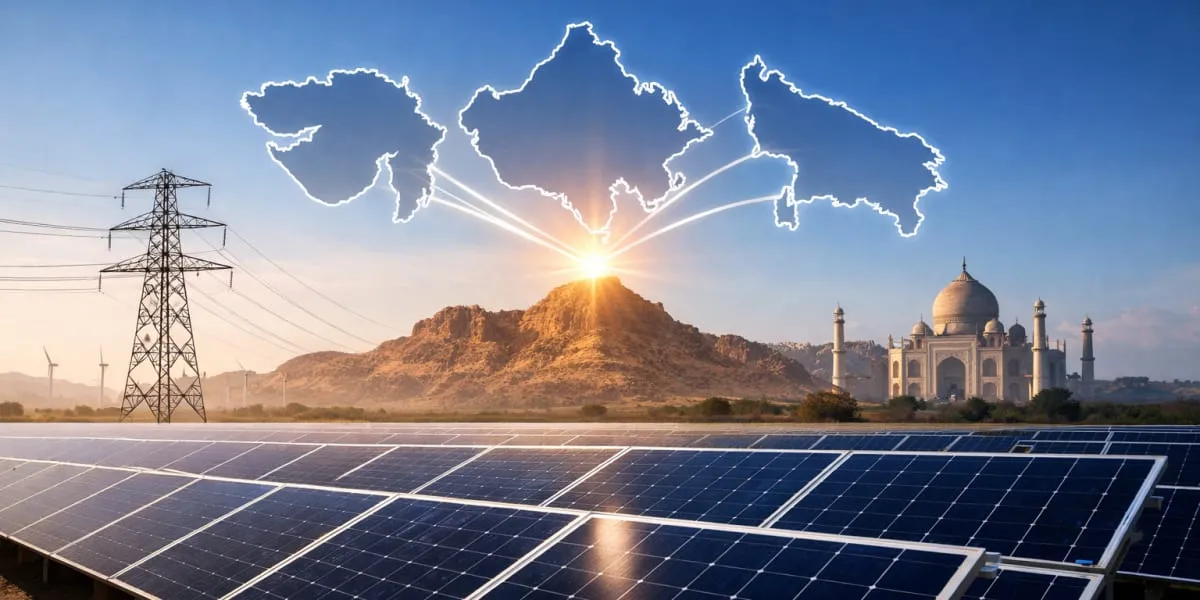
Industry data showed that Gujarat, Rajasthan and Uttar Pradesh (UP) accounted for nearly two-thirds of solar additions in the first quarter, underscoring a concentrated pattern of capacity growth across the country. Gujarat, which has hosted several large-scale solar parks, and Rajasthan, noted for its high solar irradiance and land availability, together contributed a substantial share of utility-scale capacity. Uttar Pradesh added capacity through a mix of utility-scale and rooftop installations, reflecting growing adoption beyond traditional solar hubs.

The concentration of additions has reinforced state-level roles in meeting national renewable energy targets and has attracted developer interest where grid connections and land procurement have been smoother. Policy measures such as competitive auctions and predictable tariff frameworks have supported project commissioning in these states, according to industry observers. Investment flows have followed the clusters of infrastructure readiness rather than being evenly distributed.

Grid integration and transmission capacity have been central to accommodating the new capacity, with system operators managing variability through dispatch planning and balancing measures. Developers have focused on sites with assured evacuation routes to reduce curtailment risk and to streamline commissioning timelines. The pattern of additions has also highlighted the importance of storage and demand management to increase utilisation of solar capacity during peak hours.

Going forward, planners are placing emphasis on expanding transmission corridors and on scaling storage deployment rapidly to absorb higher shares of variable renewables without compromising stability. Diversification of project locations and of technology options, including hybrid projects, is being considered to make the expansion more resilient. The recent quarter's data has thus informed operational and policy priorities as the country pursues a faster transition to low-carbon power.

Industry data showed that Gujarat, Rajasthan and Uttar Pradesh (UP) accounted for nearly two-thirds of solar additions in the first quarter, underscoring a concentrated pattern of capacity growth across the country. Gujarat, which has hosted several large-scale solar parks, and Rajasthan, noted for its high solar irradiance and land availability, together contributed a substantial share of utility-scale capacity. Uttar Pradesh added capacity through a mix of utility-scale and rooftop installations, reflecting growing adoption beyond traditional solar hubs. The concentration of additions has reinforced state-level roles in meeting national renewable energy targets and has attracted developer interest where grid connections and land procurement have been smoother. Policy measures such as competitive auctions and predictable tariff frameworks have supported project commissioning in these states, according to industry observers. Investment flows have followed the clusters of infrastructure readiness rather than being evenly distributed. Grid integration and transmission capacity have been central to accommodating the new capacity, with system operators managing variability through dispatch planning and balancing measures. Developers have focused on sites with assured evacuation routes to reduce curtailment risk and to streamline commissioning timelines. The pattern of additions has also highlighted the importance of storage and demand management to increase utilisation of solar capacity during peak hours. Going forward, planners are placing emphasis on expanding transmission corridors and on scaling storage deployment rapidly to absorb higher shares of variable renewables without compromising stability. Diversification of project locations and of technology options, including hybrid projects, is being considered to make the expansion more resilient. The recent quarter's data has thus informed operational and policy priorities as the country pursues a faster transition to low-carbon power.

Related Stories

Gold Stories

Next Story
Products

Interio by Godrej launches modular workplace solutions

Interio by Godrej has launched Workscapes, a modular workplace solutions category designed to help organisations configure and adapt workspaces to changing requirements. The portfolio combines mobile and compatible furniture and support elements that can be rearranged across different work modes without changes to fixed layouts.Workscapes includes Collaboration Tables, Privacy Solutions, Mobile Markerboards and Space Dividers, Power Solutions, Storage and Support Elements, Meeting and Presentation Tools, and Seating Elements. The range is designed for focused work, collaboration, informal disc..

Next Story
Infrastructure Urban

CAFE-III Gives Auto Industry Investment Clarity

The government’s new Corporate Average Fuel Economy (CAFE-III) norms have provided the automobile industry with a clearer framework for technology investments, according to industry representatives. The framework seeks to balance environmental objectives with flexibility for manufacturers while encouraging the adoption of flex-fuel vehicles and biofuels. Society of Indian Automobile Manufacturers (SIAM) President Shenu Agarwal said the five-year framework would give automakers greater predictability to plan investments and accelerate innovation. He said the regulation established annual targ..

Next Story
Infrastructure Energy

Mines Ministry to Auction Two Offshore Mineral Blocks in Andaman Sea

The Ministry of Mines will launch an auction of two offshore mineral blocks in the Andaman Sea on Thursday, seeking to unlock India’s offshore mineral potential and strengthen long-term mineral resource security. The blocks will be offered under a composite licence, which permits exploration and development activities in accordance with the applicable regulatory framework. The ministry said the auction was intended to encourage systematic exploration, attract investment and promote the use of advanced technologies for offshore mineral exploration and development. The initiative is also aimed..

Advertisement

Subscribe to Our Newsletter

Get daily newsletters around different themes from Construction world.

STAY CONNECTED

Advertisement

SPECIAL OFFER
QR Code