India Adds 13.9 GW Renewable Capacity as Solar Tops 162 GW
POWER & RENEWABLE ENERGY

India Adds 13.9 GW Renewable Capacity as Solar Tops 162 GW

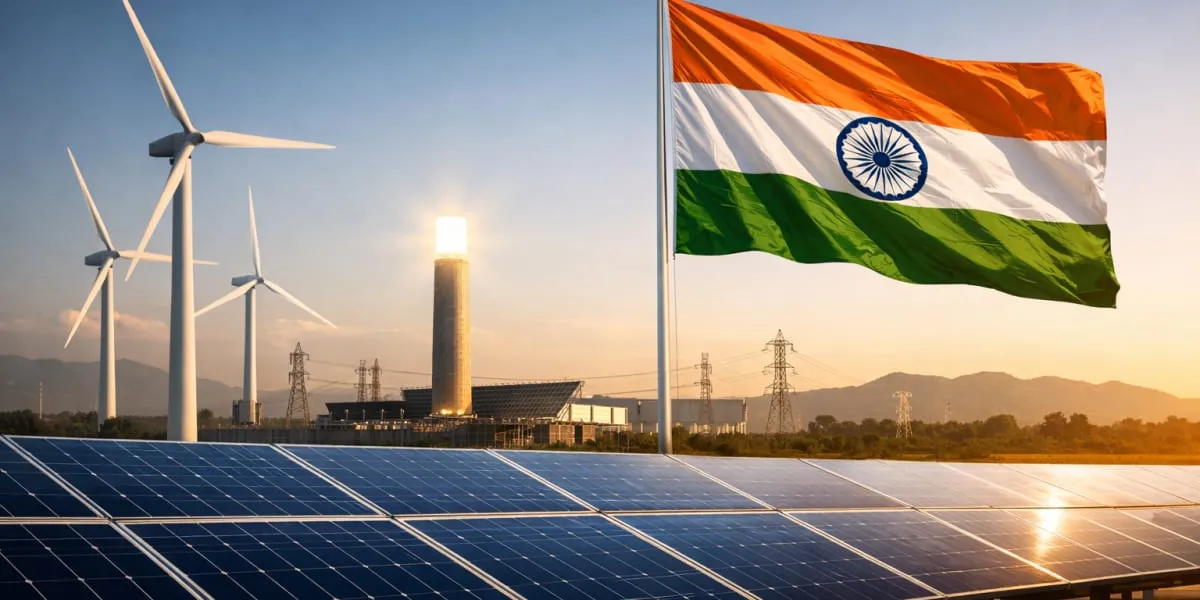
India added 13,901.29 megawatts (MW) of renewable energy capacity during the first quarter of fiscal year 2026-27, taking the country's cumulative renewable energy capacity to 288.59 gigawatts (GW) as of 30 June 2026. Government data showed solar power accounted for over 85 per cent of the quarter's installations. The sector added 11,891.30 MW of solar capacity in April to June 2026, including 5,105.56 MW in June alone, bringing cumulative solar capacity to 162.15 GW.

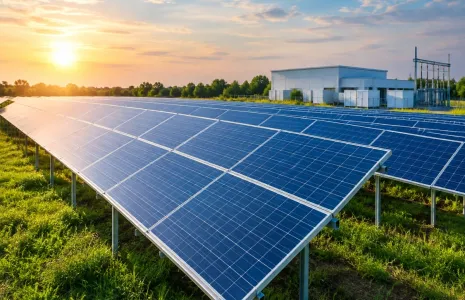
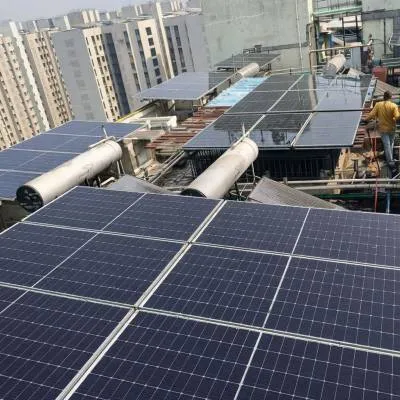
Within the solar segment, ground-mounted projects totalled 121.25 GW, while grid-connected rooftop solar reached 30.11 GW. Hybrid projects contributed 4.36 GW and off-grid solar stood at 6.43 GW. These subsegments together sustained the bulk of the quarter's commissioning activity and capacity growth.

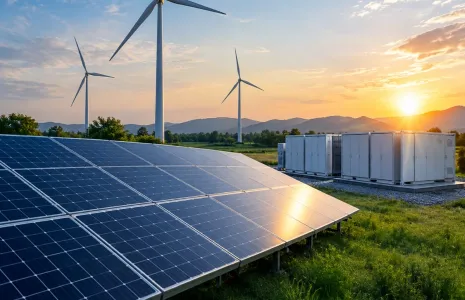
Wind additions remained robust with 1,348.55 MW installed during the quarter, including 636.35 MW in June, taking cumulative wind capacity to 57.44 GW. Small hydro projects added 10.40 MW in the period, lifting the segment to 5.18 GW. Including large hydro additions of 650 MW, total renewable energy additions for the quarter equalled 13.90 GW, and cumulative large hydro capacity reached 52.06 GW with 7.43 GW of pumped storage.

With nuclear capacity at 8.78 GW, India's total non-fossil fuel installed power capacity rose to 297.37 GW at the quarter end. The growth in the first quarter follows record additions in the previous fiscal year and underlines continued momentum towards the government's target of 500 GW of non-fossil fuel capacity by 2030.

The Ministry of New and Renewable Energy data emphasised solar's dominance and the role of ground-mounted projects in driving scale. The quarter's additions reflected both utility-scale commissioning and rooftop uptake by commercial and residential consumers across states, supporting grid flexibility and demand management.

Analysts said the pace will be watched against transmission readiness and storage deployment, while policymakers will monitor grid integration challenges as capacity rises. The quarter's results will inform planning for auctions and schemes aimed at accelerating clean energy deployment ahead of the 2030 target.

India added 13,901.29 megawatts (MW) of renewable energy capacity during the first quarter of fiscal year 2026-27, taking the country's cumulative renewable energy capacity to 288.59 gigawatts (GW) as of 30 June 2026. Government data showed solar power accounted for over 85 per cent of the quarter's installations. The sector added 11,891.30 MW of solar capacity in April to June 2026, including 5,105.56 MW in June alone, bringing cumulative solar capacity to 162.15 GW. Within the solar segment, ground-mounted projects totalled 121.25 GW, while grid-connected rooftop solar reached 30.11 GW. Hybrid projects contributed 4.36 GW and off-grid solar stood at 6.43 GW. These subsegments together sustained the bulk of the quarter's commissioning activity and capacity growth. Wind additions remained robust with 1,348.55 MW installed during the quarter, including 636.35 MW in June, taking cumulative wind capacity to 57.44 GW. Small hydro projects added 10.40 MW in the period, lifting the segment to 5.18 GW. Including large hydro additions of 650 MW, total renewable energy additions for the quarter equalled 13.90 GW, and cumulative large hydro capacity reached 52.06 GW with 7.43 GW of pumped storage. With nuclear capacity at 8.78 GW, India's total non-fossil fuel installed power capacity rose to 297.37 GW at the quarter end. The growth in the first quarter follows record additions in the previous fiscal year and underlines continued momentum towards the government's target of 500 GW of non-fossil fuel capacity by 2030. The Ministry of New and Renewable Energy data emphasised solar's dominance and the role of ground-mounted projects in driving scale. The quarter's additions reflected both utility-scale commissioning and rooftop uptake by commercial and residential consumers across states, supporting grid flexibility and demand management. Analysts said the pace will be watched against transmission readiness and storage deployment, while policymakers will monitor grid integration challenges as capacity rises. The quarter's results will inform planning for auctions and schemes aimed at accelerating clean energy deployment ahead of the 2030 target.

Next Story
Infrastructure Transport

Surya Roshni delivers customised lighting for NCRTC RRTS stations

Surya Roshni has supplied customised indoor lighting solutions for 18 elevated stations on the National Capital Region Transport Corporation's (NCRTC) Rapid Rail Transit System (RRTS), strengthening its presence in India's infrastructure lighting segment.The project involved the design and deployment of lighting systems for platforms, concourses, foot overbridges (FOBs) and back-of-house (BOH) areas. According to the company, the luminaires were developed specifically to meet NCRTC's design, operational and performance requirements rather than using standard products.Surya introduced two custo..

Next Story
Real Estate

Hilton debuts Tapestry Collection brand in Vietnam

Hilton has opened NHAAN Resort & Spa Hoi An, Tapestry Collection by Hilton, marking the debut of the Tapestry Collection brand in Vietnam and expanding its lifestyle hospitality portfolio in Southeast Asia.Located along the Co Co River in Cam Thanh village, the 174-key resort provides access to Hoi An Ancient Town, Cua Dai Beach and the Cam Thanh Nipa Forest. The property has been designed by Vietnamese architect Vo Trong Nghia, incorporating biophilic architecture, locally sourced materials and riverfront landscapes.The resort offers a mix of guest rooms and suites, including family-frien..

Next Story
Building Material

Electrent expands lithium energy storage system portfolio

Electrent Energy has expanded its lithium-based energy storage portfolio with the launch of the ESS 850 and ESS 1050, targeting compact and maintenance-free power backup solutions for Indian homes.The new systems integrate a Home UPS and a LiFePO4 lithium battery into a single unit, extending the company's product range following the launch of its ESS 1350 and ESS 2500 models.Designed for apartments and smaller homes, the ESS 850 provides up to 1 hour 15 minutes of backup, while the ESS 1050 offers up to 1 hour 45 minutes on a typical 400 W household load. The systems can power essential appli..

Advertisement

Subscribe to Our Newsletter

Get daily newsletters around different themes from Construction world.

STAY CONNECTED

Advertisement

Advertisement

Advertisement