India Burns Through Coal Stocks as Power Gap Widens
POWER & RENEWABLE ENERGY

India Burns Through Coal Stocks as Power Gap Widens

India’s power plants are rapidly exhausting coal inventories as generators increase production to offset weak hydropower and the evening decline in solar generation. The pressure has prompted the central government to invoke an emergency provision aimed at boosting electricity supplies during periods of tight demand and supply.

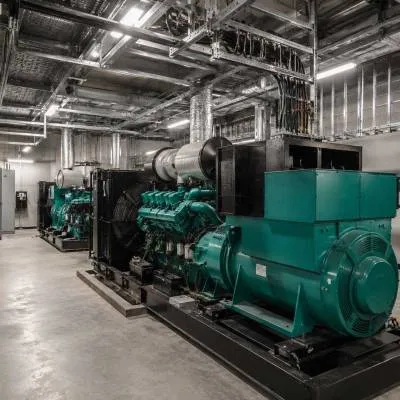
The power ministry has directed companies with more than 50 MW of captive coal-generation capacity to operate their plants at full capacity and sell surplus electricity through power exchanges. The order covers companies in sectors including steel, fertilisers, oil refining and cement that operate in-house plants to supply their factories.

The ministry has also extended a directive requiring Tata Power’s 4 GW Gujarat plant to operate at full capacity through December. Coal inventories at grid-connected stations have fallen by more than half from a year earlier, reaching their lowest level in almost three years. Captive generation remains relatively small compared with independent coal plants, which provide about 70 per cent of India’s electricity.

The measures follow some of India’s worst nighttime power shortages this year. A dry monsoon associated with El Niño reduced hydropower generation, while demand for cooling and irrigation increased. Shortfalls after sunset, when solar generation declines, reached 7.7 GW this month, exceeding levels recorded during the summer heat waves and forcing coal plants to consume more fuel.

India is experiencing its driest monsoon in 17 years, although recent rainfall has narrowed the deficit to 13 per cent from 15 per cent in the middle of last week. Heavy rain and cooler temperatures have reduced peak demand and largely eliminated supply shortfalls, but flooding in coal-producing Chhattisgarh, Odisha and Jharkhand has disrupted mining and transport. The government invoked Section 11 of the Electricity Act for captive generators and Tata Power’s Mundra plant, allowing it to direct stations to operate in extraordinary circumstances, including natural calamities.

India’s power plants are rapidly exhausting coal inventories as generators increase production to offset weak hydropower and the evening decline in solar generation. The pressure has prompted the central government to invoke an emergency provision aimed at boosting electricity supplies during periods of tight demand and supply. The power ministry has directed companies with more than 50 MW of captive coal-generation capacity to operate their plants at full capacity and sell surplus electricity through power exchanges. The order covers companies in sectors including steel, fertilisers, oil refining and cement that operate in-house plants to supply their factories. The ministry has also extended a directive requiring Tata Power’s 4 GW Gujarat plant to operate at full capacity through December. Coal inventories at grid-connected stations have fallen by more than half from a year earlier, reaching their lowest level in almost three years. Captive generation remains relatively small compared with independent coal plants, which provide about 70 per cent of India’s electricity. The measures follow some of India’s worst nighttime power shortages this year. A dry monsoon associated with El Niño reduced hydropower generation, while demand for cooling and irrigation increased. Shortfalls after sunset, when solar generation declines, reached 7.7 GW this month, exceeding levels recorded during the summer heat waves and forcing coal plants to consume more fuel. India is experiencing its driest monsoon in 17 years, although recent rainfall has narrowed the deficit to 13 per cent from 15 per cent in the middle of last week. Heavy rain and cooler temperatures have reduced peak demand and largely eliminated supply shortfalls, but flooding in coal-producing Chhattisgarh, Odisha and Jharkhand has disrupted mining and transport. The government invoked Section 11 of the Electricity Act for captive generators and Tata Power’s Mundra plant, allowing it to direct stations to operate in extraordinary circumstances, including natural calamities.

Related Stories

Gold Stories

Next Story
Real Estate

Address Maker sells over 200 Apollo Address plots in six weeks

The Address Maker Group has sold more than two-thirds of the inventory at its Apollo Address villa-plot development in Nelamangala, North-West Bengaluru, within six weeks of its launch. With over 200 plots purchased and approximately 100 remaining, the project has recorded the fastest sales pace in the developer's history.Spread across 23 acres within a larger 90-acre township, Apollo Address offers villa plots ranging from 1,200 to 2,400 sq ft. Inspired by classical Greek architecture, the development features planned infrastructure, landscaped open spaces and residential amenities.Nearly 30 ..

Next Story
Equipment

Zoomlion strengthens equipment partnerships in Australia

Zoomlion Heavy Industry Science & Technology has reaffirmed its commitment to expanding operations in Australia, with Chairman and CEO Zhan Chunxin meeting customers and business partners in Sydney to strengthen long-term partnerships and discuss opportunities for closer collaboration.The meeting, held on 4 November 2026, focused on equipment quality, technical support, spare parts availability, local training and customer service improvements. Representatives from the tower crane, concrete machinery, earthmoving, aerial work platform, agricultural machinery and financial sectors participa..
Next Story
Real Estate

Rahul Mehta Architects unveils Mumbai cruise terminal design

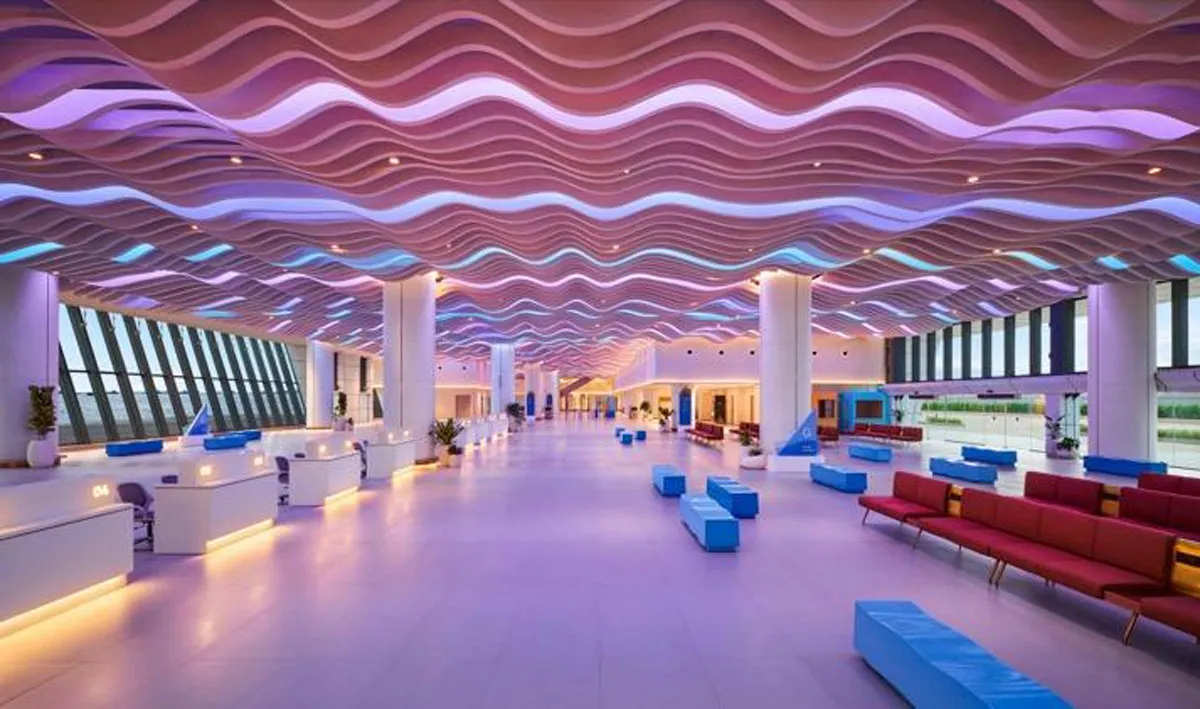
Rahul Mehta Architects has unveiled the architectural design of the Mumbai International Cruise Terminal (MICT), described as India's first organised international cruise terminal. Located at Indira Dock, the project aims to transform Mumbai's historic waterfront into a destination combining cruise operations, retail, hospitality and public spaces.Appointed by maritime and logistics group JM Baxi, the architectural practice has designed the terminal to meet international cruise operational standards while creating a year-round public destination. The project has been developed under a public-p..

Advertisement

Subscribe to Our Newsletter

Get daily newsletters around different themes from Construction world.

STAY CONNECTED

Advertisement

SPECIAL OFFER
QR Code