India’s Rooftop Solar Boom Meets Grid Reality Check
POWER & RENEWABLE ENERGY

India’s Rooftop Solar Boom Meets Grid Reality Check

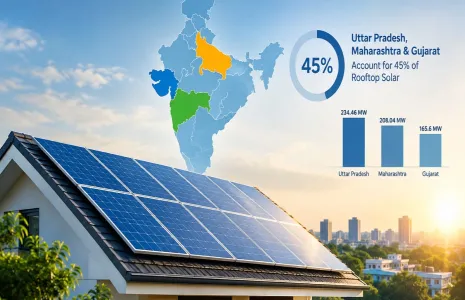
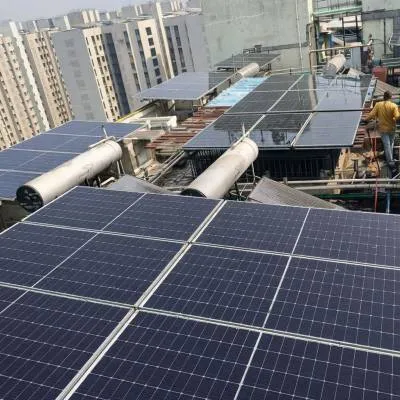
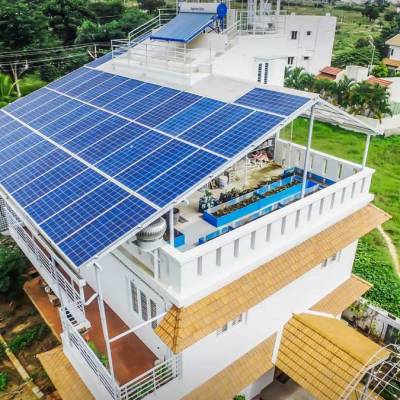
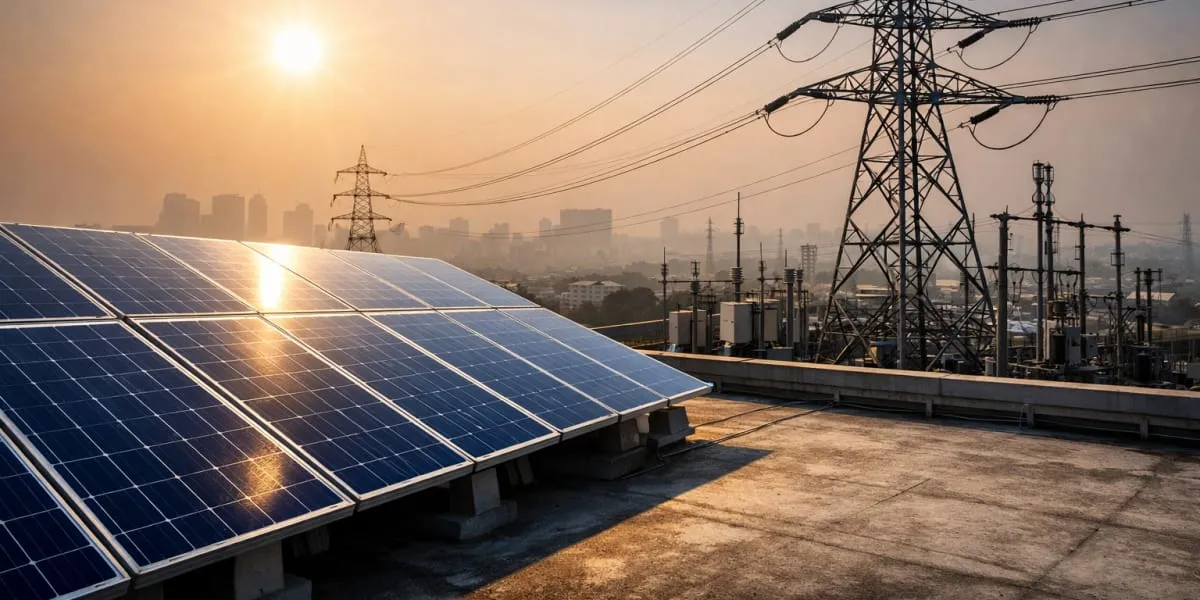
India’s rooftop solar roll-out has accelerated across urban and industrial rooftops in response to supportive policy and falling module costs. Homeowners, small businesses and commercial facilities have invested in rooftop photovoltaic systems to cut electricity bills and hedge against supply volatility. The expansion has reduced reliance on centralised generation at peak daylight hours and supported national renewable targets. Rapid uptake has exposed limitations in distribution networks that were designed for one-way power flows.

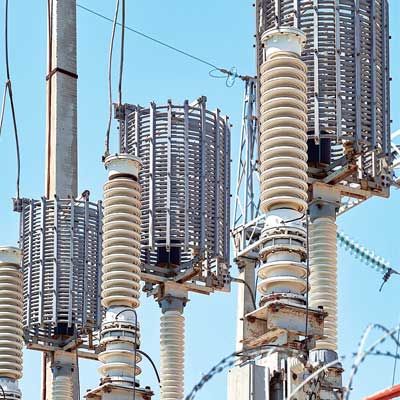
Distribution transformers and local feeders are experiencing increased instances of reverse power flow and voltage excursions, which network engineers identify as signs of stress. At midday, demand for grid supply falls even as solar output peaks, creating challenges for tariff design and cash flows at state distribution companies. Net metering arrangements have transferred part of the financial burden to grids and created settlement complexities. These operational issues have prompted technical audits and reassessment of planning paradigms.

Grid operators are deploying smart inverters and advanced monitoring systems to manage voltage and frequency deviations and to enable controlled injections. Time of day tariffs and aggregation of rooftop assets are being trialled alongside battery energy storage to shift or absorb excess generation. Investment in grid modernisation, including transformer upgrades and digitised control systems, is under consideration to accommodate two-way flows. Private finance and public funding windows are being aligned to de-risk longer term projects.

Regulators are revising interconnection standards and exploring incentive frameworks that tie remuneration to grid services rather than simple energy export. Manufacturers and installers are adapting product specifications to meet technical requirements and compliance checks. The transition from rapid deployment to integrated operation requires coordinated action by regulators, distribution companies and the rooftop industry. The result will be a more resilient system that preserves consumer benefits while maintaining grid stability.

"Join industry leaders at RAHSTA Expo, India's premier platform for roads, highways and traffic infrastructure. Register now to explore innovations, network with experts and shape the future of mobility."

India’s rooftop solar roll-out has accelerated across urban and industrial rooftops in response to supportive policy and falling module costs. Homeowners, small businesses and commercial facilities have invested in rooftop photovoltaic systems to cut electricity bills and hedge against supply volatility. The expansion has reduced reliance on centralised generation at peak daylight hours and supported national renewable targets. Rapid uptake has exposed limitations in distribution networks that were designed for one-way power flows. Distribution transformers and local feeders are experiencing increased instances of reverse power flow and voltage excursions, which network engineers identify as signs of stress. At midday, demand for grid supply falls even as solar output peaks, creating challenges for tariff design and cash flows at state distribution companies. Net metering arrangements have transferred part of the financial burden to grids and created settlement complexities. These operational issues have prompted technical audits and reassessment of planning paradigms. Grid operators are deploying smart inverters and advanced monitoring systems to manage voltage and frequency deviations and to enable controlled injections. Time of day tariffs and aggregation of rooftop assets are being trialled alongside battery energy storage to shift or absorb excess generation. Investment in grid modernisation, including transformer upgrades and digitised control systems, is under consideration to accommodate two-way flows. Private finance and public funding windows are being aligned to de-risk longer term projects. Regulators are revising interconnection standards and exploring incentive frameworks that tie remuneration to grid services rather than simple energy export. Manufacturers and installers are adapting product specifications to meet technical requirements and compliance checks. The transition from rapid deployment to integrated operation requires coordinated action by regulators, distribution companies and the rooftop industry. The result will be a more resilient system that preserves consumer benefits while maintaining grid stability.

Next Story
Products

AFC Furniture Targets Pune and Nagpur Expansion

AFC Furniture Solutions has announced its expansion into Maharashtra's key commercial hubs, targeting Pune's technology corridors and Nagpur's Multi-modal International Cargo Hub and Airport (MIHAN) as part of its western India growth strategy.The company expects western India to contribute 25–30 per cent of its revenue, supported by demand from over 900 companies across Hinjewadi's Special Economic Zone (SEZ) and non-SEZ locations, as well as businesses in the MIHAN region. According to Cushman & Wakefield, Global Capability Centres (GCCs) accounted for 69 per cent of Pune's office leas..

Next Story
Infrastructure Transport

PM Modi to Open Jodhpur Airport Terminal and Pachpadra Refinery

Prime Minister Narendra Modi will visit Jodhpur and Balotra in Rajasthan on July four to inaugurate the HPCL Rajasthan Oil Refinery and the newly built terminal of Jodhpur airport, the state Chief Minister Bhajan Lal Sharma said. The announcement said the Prime Minister will arrive from New Delhi to dedicate the ultra-modern airport terminal and then proceed to Pachpadra-Balotra for the refinery inauguration. Local authorities have begun operational preparations to ensure smooth conduct of the functions and VVIP movement. The project at Pachpadra is valued at Rs 794.59 billion (Rs 794,590 mn),..

Next Story
Infrastructure Urban

Majhi Launches WEP And MSME Clusters To Boost Growth

Chief minister Mohan Charan Majhi launched the Women Entrepreneurship Platform Odisha chapter and inaugurated MSME infrastructure projects during the Udyami Odisha MSME Programme on International MSME Day. The chapter, developed with support from NITI Aayog, will integrate Mission Shakti, the MSME department, Startup Odisha, banks and industry associations into a single-window ecosystem to improve access to finance, markets, mentorship and skills for women entrepreneurs. A one-year action plan was unveiled to accelerate manufacturing and boost women-led enterprises. He said the vision is to ma..

Advertisement

Subscribe to Our Newsletter

Get daily newsletters around different themes from Construction world.

STAY CONNECTED

Advertisement

Advertisement

Advertisement