SGEL seeks bids for 400 MW MSEDCL solar projects Maharashtra
POWER & RENEWABLE ENERGY

SGEL seeks bids for 400 MW MSEDCL solar projects Maharashtra

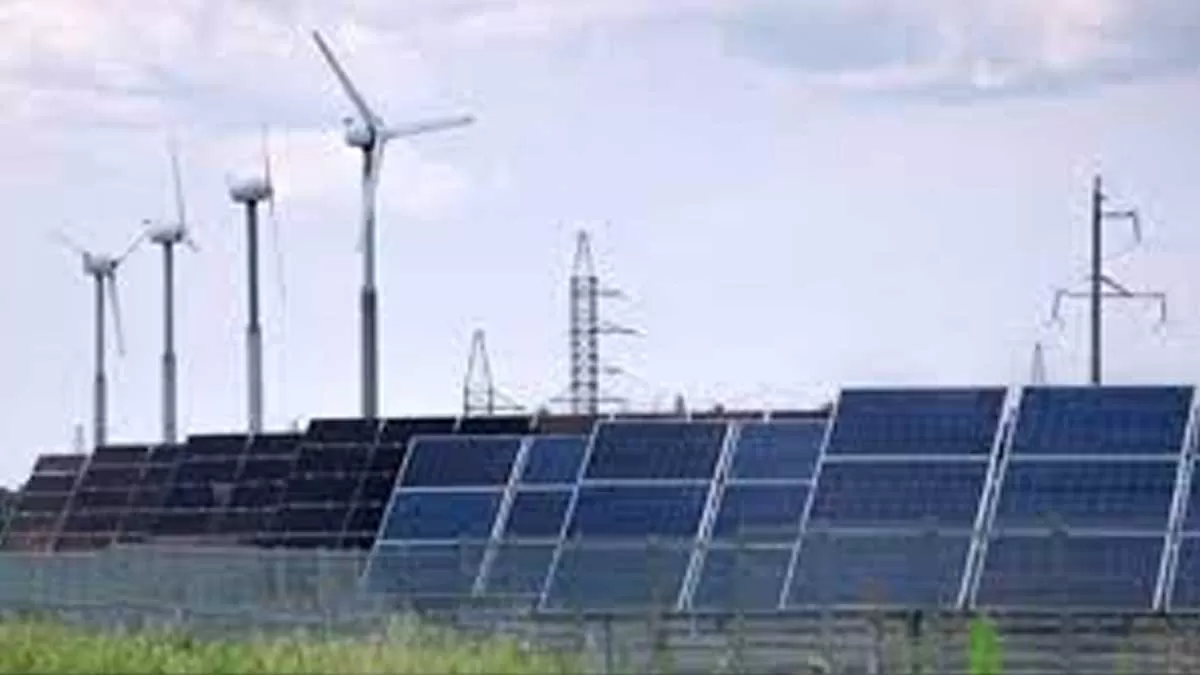
SJVN Green Energy (SGEL) had announced the invitation for online bids via an open tender for the 400 MW MSEDCL solar project across Maharashtra. It was mentioned that these bids were to be invited following a single-stage two-envelope format. The first envelope, Envelope-I, was designated for the techno-commercial bid, while the second envelope, Envelope-II, was for the price bid.

The SGEL project was planned to be executed with a reverse auction for the balance of system (BoS) package, which would include power evacuation. Additionally, it would entail a three-year comprehensive operation and maintenance for a cumulative capacity of 400 MW (AC) across various locations in Maharashtra, including MSEDCL Phase-VII & Phase-IX solar photovoltaic power projects at four different sites.

It was specified in the tender that bidders could participate in any number of projects from the four mentioned, based on their capacity. The bidder was expected to develop Project-1 of 160 MW (AC), 40 MW (AC) of Project-2, 80 MW (AC) of Project-3, and another 80 MW (AC) of Project-4, in accordance with the provisions laid out on 30.09.2022.

The balance of the system package encompassed power evacuation and a three-year comprehensive operation and maintenance for a cumulative capacity of 400 MW (AC). This project fell under the purview of the MSEDCL Phase-VII & Phase-IX Solar Photovoltaic Power Projects across four different locations in Maharashtra.

According to the documentation, the "Balance of System Package Including Power Evacuation and Three (03) Years Comprehensive Operation & Maintenance for Cumulative Capacity of 400 MW (AC) (MSEDCL Phase-VII & Phase-IX) Solar Photovoltaic Power Projects at Four different Locations in Maharashtra," mandated that the Solar PV Modules be supplied separately to the BOS contractor by SGEL.

The tender also provided insights into the sale of power and the power purchase agreement (PPA) signed between SGEL and the Maharashtra State Electricity Distribution (MSEDCL). These details were in alignment with the terms outlined in the request for selection document (RfS) issued by MSEDCL on 08.06.2022 for 200 MW and on 30.09.2022 for another 200 MW.

SJVN Green Energy (SGEL) had announced the invitation for online bids via an open tender for the 400 MW MSEDCL solar project across Maharashtra. It was mentioned that these bids were to be invited following a single-stage two-envelope format. The first envelope, Envelope-I, was designated for the techno-commercial bid, while the second envelope, Envelope-II, was for the price bid. The SGEL project was planned to be executed with a reverse auction for the balance of system (BoS) package, which would include power evacuation. Additionally, it would entail a three-year comprehensive operation and maintenance for a cumulative capacity of 400 MW (AC) across various locations in Maharashtra, including MSEDCL Phase-VII & Phase-IX solar photovoltaic power projects at four different sites. It was specified in the tender that bidders could participate in any number of projects from the four mentioned, based on their capacity. The bidder was expected to develop Project-1 of 160 MW (AC), 40 MW (AC) of Project-2, 80 MW (AC) of Project-3, and another 80 MW (AC) of Project-4, in accordance with the provisions laid out on 30.09.2022. The balance of the system package encompassed power evacuation and a three-year comprehensive operation and maintenance for a cumulative capacity of 400 MW (AC). This project fell under the purview of the MSEDCL Phase-VII & Phase-IX Solar Photovoltaic Power Projects across four different locations in Maharashtra. According to the documentation, the Balance of System Package Including Power Evacuation and Three (03) Years Comprehensive Operation & Maintenance for Cumulative Capacity of 400 MW (AC) (MSEDCL Phase-VII & Phase-IX) Solar Photovoltaic Power Projects at Four different Locations in Maharashtra, mandated that the Solar PV Modules be supplied separately to the BOS contractor by SGEL. The tender also provided insights into the sale of power and the power purchase agreement (PPA) signed between SGEL and the Maharashtra State Electricity Distribution (MSEDCL). These details were in alignment with the terms outlined in the request for selection document (RfS) issued by MSEDCL on 08.06.2022 for 200 MW and on 30.09.2022 for another 200 MW.

Next Story
Infrastructure Urban

Implementation Status of Jal Jeevan Mission

Since August 2019 the Government has implemented Jal Jeevan Mission to provide assured potable water through household tap connections in rural India. At the start of the mission only 32.3 million (mn) rural households, representing 16.7 per cent, were reported to have tap water connections. States and union territories have reported that 125.8 mn additional rural households have since been provided with tap connections. As a result, of about 193.6 mn rural households roughly 158.2 mn, or 81.71 per cent, are reported to have tap water supply at home.\n\nThe State, district and village level st..

Next Story
Infrastructure Urban

Jal Jeevan Mission Reaches Eighty One Per Cent Rural Coverage

The Government reported substantial progress under the Jal Jeevan Mission, launched in August 2019 to provide tap water to every rural household. At launch only 32.3 million (mn) rural households had tap connections and states and Union territories reported provision of 125.8 mn additional households by March 2026. Consequently, out of about 193.6 mn rural households around 158.2 mn, or 81.71 per cent, are reported to have tap water at home. The Finance Minister announced extension of the mission until 2028 in the 2025-26 budget speech. The Swachh Bharat Mission Grameen, launched in October 20..

Next Story
Infrastructure Urban

Empowering Local Governance for Sustainable Rural Water Supply

The Ministry of Jal Shakti has aligned the Jal Jeevan Mission (JJM) with the 73rd Amendment to strengthen village level planning and community ownership of water supply. Gram Panchayats, village water and sanitation committees and Pani Samitis are to plan, implement, manage and maintain piped water systems, with gram sabha processes formalising handover and oversight. Implementation support agencies including non government organisations, community based organisations and self help groups have been empanelled to train local committees and promote women participation. Under JJM, the department ..

Advertisement

Subscribe to Our Newsletter

Get daily newsletters around different themes from Construction world.

STAY CONNECTED

Advertisement

Advertisement

Advertisement