Birla Estates Enters Mumbai Redevelopment Market With Rs 17 bn Project
Real Estate

Birla Estates Enters Mumbai Redevelopment Market With Rs 17 bn Project

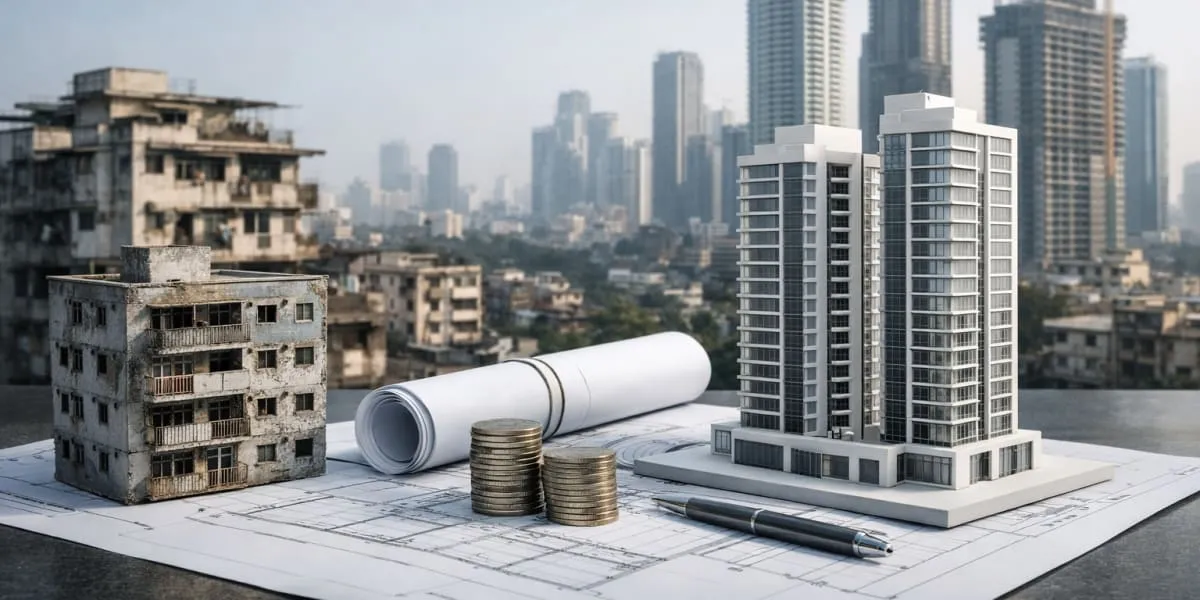
Birla Estates has entered the Mumbai redevelopment market with a project valued at Rs 17 billion (bn), marking the developer's first major push into urban renewal in the city. The company described the initiative as a redevelopment project aimed at modernising existing housing stock while unlocking value for stakeholders. The announcement positions Birla Estates among developers prioritising redevelopment as a strategic growth area and underscores a wider industry shift towards densification in established urban pockets.\n\nRedevelopment has become a significant segment of Mumbai's real estate landscape as land scarcity and regulatory incentives have shifted focus from greenfield development. Analysts note that redevelopment projects can deliver higher densities and improved infrastructure, which align with municipal aims to upgrade older neighbourhoods. The move is expected to attract interest from landowners and financial partners who seek structured redevelopment models and ensure equitable compensation mechanisms.\n\nFinancially, the project is valued at Rs 17 bn and is likely to be executed in phases over several years, according to industry norms for large redevelopment schemes. Such projects typically require coordination among developers, residents and city authorities and can involve complex approvals and financing arrangements. Birla Estates will leverage its balance sheet and development expertise to manage construction, sales and stakeholder engagement. The development is expected to follow prevailing sustainability and safety standards during construction.\n\nThe entry into Mumbai redevelopment extends Birla Estates' footprint and signals confidence in urban regeneration as a business proposition. Market participants will watch for further disclosures on project location, housing mix and timelines as the company moves from announcement to execution. The company did not immediately provide additional operational details at the time of the announcement. Observers will monitor outcomes for implications on pricing, supply dynamics and future redevelopment policies.

Birla Estates has entered the Mumbai redevelopment market with a project valued at Rs 17 billion (bn), marking the developer's first major push into urban renewal in the city. The company described the initiative as a redevelopment project aimed at modernising existing housing stock while unlocking value for stakeholders. The announcement positions Birla Estates among developers prioritising redevelopment as a strategic growth area and underscores a wider industry shift towards densification in established urban pockets.\n\nRedevelopment has become a significant segment of Mumbai's real estate landscape as land scarcity and regulatory incentives have shifted focus from greenfield development. Analysts note that redevelopment projects can deliver higher densities and improved infrastructure, which align with municipal aims to upgrade older neighbourhoods. The move is expected to attract interest from landowners and financial partners who seek structured redevelopment models and ensure equitable compensation mechanisms.\n\nFinancially, the project is valued at Rs 17 bn and is likely to be executed in phases over several years, according to industry norms for large redevelopment schemes. Such projects typically require coordination among developers, residents and city authorities and can involve complex approvals and financing arrangements. Birla Estates will leverage its balance sheet and development expertise to manage construction, sales and stakeholder engagement. The development is expected to follow prevailing sustainability and safety standards during construction.\n\nThe entry into Mumbai redevelopment extends Birla Estates' footprint and signals confidence in urban regeneration as a business proposition. Market participants will watch for further disclosures on project location, housing mix and timelines as the company moves from announcement to execution. The company did not immediately provide additional operational details at the time of the announcement. Observers will monitor outcomes for implications on pricing, supply dynamics and future redevelopment policies.

Next Story
Equipment

PMGSY-III Extension Strengthens Rural Growth

The Indian Construction Equipment Manufacturers’ Association (ICEMA) has welcomed the Government of India’s decision to extend the Pradhan Mantri Gram Sadak Yojana-III (PMGSY-III) till March 2028. The association said the move reflects the Government’s continued focus on building strong rural infrastructure as a foundation for long-term growth and national development.The extension will support the upgradation of key rural routes linking habitations with markets, healthcare institutions, schools and nearby towns. Improved road quality and reliability are expected to help people travel fa..

Next Story
Resources

WattPower Showcases 21 GW Impact at RenewX 2026

WattPower is set to showcase its 21 GW deployment footprint at RenewX 2026, to be held at the Chennai Trade Centre from April 27–29.Organised by Informa Markets, the event brings together stakeholders across solar, energy storage, EV infrastructure, and emerging clean technologies.WattPower will present its next-generation portfolio, including high-efficiency smart string inverters, intelligent monitoring systems, and proprietary safety technologies. The company’s offerings are built on insights from deploying over 77,000 units across diverse climatic and grid conditions in India.With expe..

Next Story
Products

TK Elevator Begins India Factory Expansion Project

TK Elevator has commenced expansion of its manufacturing facility in India, marking a step towards strengthening local production and logistics capabilities.The project will add approximately 10,000 sq m to the existing facility and is scheduled for completion by August 2027. The expansion aims to enhance production efficiency while scaling up warehousing and logistics infrastructure.The additional capacity will support rising demand across low- to mid-rise residential segments, as well as infrastructure and commercial projects. It is also expected to improve responsiveness in service and mode..

Advertisement

Subscribe to Our Newsletter

Get daily newsletters around different themes from Construction world.

STAY CONNECTED

Advertisement

Advertisement

Advertisement