




Mumbai Plans Parking Curbs In Narrow Lanes
Real Estate

Mumbai Plans Parking Curbs In Narrow Lanes

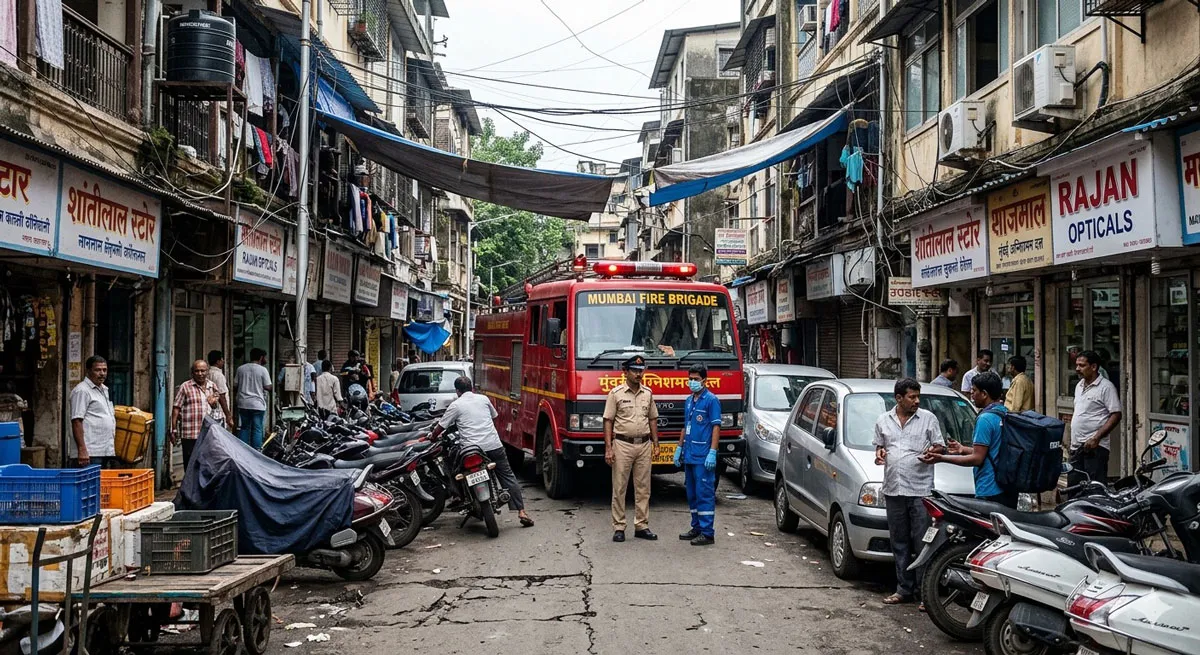
The Brihanmumbai Municipal Corporation is likely to impose parking restrictions in narrow lanes across densely populated areas to improve emergency access, as per news reports.
The move follows concerns that illegal and haphazard parking is obstructing fire engines and ambulances, particularly in high-density localities. Implementation is expected soon.
Industry experts have emphasised the need for long-term, infrastructure-driven solutions to address the issue.
Prashant Sharma, President, NAREDCO Maharashtra, said, “Illegal parking is not merely a compliance issue; it reflects the structural gap between the rapid growth in vehicle ownership and the limited parking infrastructure available in our cities. As urban centres continue to densify, there is a pressing need to integrate well-planned and technologically enabled parking solutions within city planning as well as new real estate developments. Adequate parking infrastructure will play a crucial role in ensuring smoother traffic flow and improving overall urban mobility.”
Ashish Majithia, Founder & CEO, Nextkraft Parking Technologies, said, “Mumbai’s parking crisis, especially in older and congested localities, underscores the need for innovative approaches such as automated and multi-level parking systems. Automated or Mechanised parking should be installed at every public parking spot which can at least double, and in many cases significantly increase the existing numbers and reduce on-street parking dependency, and ensure that critical access routes remain unobstructed. Alongside regulatory measures, adopting vertical parking infrastructure will be key to building safer and more efficient cities.”
Areas such as Chandanwadi, Girgaon, Kalbadevi, Gaondevi, Tardeo, Mumbai Central, Nagpada, Agripada and Byculla together account for over 240 narrow lanes, with 35–40 lanes allowing only a single vehicle at a time. Vehicles parked on both sides have been identified as a key bottleneck during emergencies.
The issue is acute in commercial hubs like Kalbadevi and Zaveri Bazaar, where heavy vehicular movement adds to congestion. Limited accessibility in such areas raises risks during fire and medical emergencies.
Proposed measures include odd-even parking rules in select lanes and complete no-parking zones in others, with strict enforcement against violations. However, limited alternative parking infrastructure remains a concern for residents and businesses.
As vehicle ownership rises and urban space remains constrained, the effectiveness of these measures will depend on both enforcement and the creation of sustainable parking infrastructure.

The Brihanmumbai Municipal Corporation is likely to impose parking restrictions in narrow lanes across densely populated areas to improve emergency access, as per news reports.The move follows concerns that illegal and haphazard parking is obstructing fire engines and ambulances, particularly in high-density localities. Implementation is expected soon.Industry experts have emphasised the need for long-term, infrastructure-driven solutions to address the issue.Prashant Sharma, President, NAREDCO Maharashtra, said, “Illegal parking is not merely a compliance issue; it reflects the structural gap between the rapid growth in vehicle ownership and the limited parking infrastructure available in our cities. As urban centres continue to densify, there is a pressing need to integrate well-planned and technologically enabled parking solutions within city planning as well as new real estate developments. Adequate parking infrastructure will play a crucial role in ensuring smoother traffic flow and improving overall urban mobility.”Ashish Majithia, Founder & CEO, Nextkraft Parking Technologies, said, “Mumbai’s parking crisis, especially in older and congested localities, underscores the need for innovative approaches such as automated and multi-level parking systems. Automated or Mechanised parking should be installed at every public parking spot which can at least double, and in many cases significantly increase the existing numbers and reduce on-street parking dependency, and ensure that critical access routes remain unobstructed. Alongside regulatory measures, adopting vertical parking infrastructure will be key to building safer and more efficient cities.”Areas such as Chandanwadi, Girgaon, Kalbadevi, Gaondevi, Tardeo, Mumbai Central, Nagpada, Agripada and Byculla together account for over 240 narrow lanes, with 35–40 lanes allowing only a single vehicle at a time. Vehicles parked on both sides have been identified as a key bottleneck during emergencies.The issue is acute in commercial hubs like Kalbadevi and Zaveri Bazaar, where heavy vehicular movement adds to congestion. Limited accessibility in such areas raises risks during fire and medical emergencies.Proposed measures include odd-even parking rules in select lanes and complete no-parking zones in others, with strict enforcement against violations. However, limited alternative parking infrastructure remains a concern for residents and businesses.As vehicle ownership rises and urban space remains constrained, the effectiveness of these measures will depend on both enforcement and the creation of sustainable parking infrastructure.

Next Story
Real Estate

Indian real estate attracts USD 1.4 bn institutional investments in Q1 2026: Vestian

Institutional investments in India’s real estate sector touched USD 1.4 billion in Q1 2026, marking the highest first-quarter inflow since 2022, according to Vestian. While investments fell 62 per cent quarter-on-quarter due to an exceptionally high base in the previous quarter, they rose 74 per cent compared to the same period last year, reflecting sustained investor confidence despite rising geopolitical and macroeconomic challenges.Commercial real estate remained the key driver of investment activity during the quarter, accounting for 80 per cent of total inflows, sharply higher than 38 p..

Next Story
Infrastructure Transport

VECV crosses 1 lakh annual vehicle sales milestone in FY26

VE Commercial Vehicles (VECV), a joint venture between Volvo Group and Eicher Motors, has surpassed the 1 lakh annual sales mark in FY 2025–26, recording its highest-ever commercial vehicle sales performance. The company said it sold more than 100,000 vehicles during the year, marking a major milestone aligned with the original vision of the Volvo–Eicher joint venture.The strong performance was supported by demand across categories. Light and Medium Duty (LMD) trucks contributed 47,789 units, accounting for 46.1 per cent of total sales. Heavy Duty (HD) trucks recorded 26,867 units (25.9 pe..

Next Story
Technology

Rodic Digital & Advisory partners SatSure to deploy EO intelligence in public sector

Rodic Digital & Advisory (RDA), the strategic advisory and digital transformation arm of Rodic Consultants, has signed a strategic cooperation Memorandum of Understanding (MoU) with SatSure to jointly pursue opportunities in India’s public sector. The collaboration aims to integrate high-resolution Earth Observation (EO) data and geospatial AI into government workflows to strengthen monitoring, compliance, and operational decision-making across key sectors.The partnership combines SatSure’s Earth intelligence capabilities with RDA’s expertise in government digital transformation and ..

Advertisement

Subscribe to Our Newsletter

Get daily newsletters around different themes from Construction world.

STAY CONNECTED

Advertisement

Advertisement

Advertisement