
Punawale Housing Project To Reshape West Pune Growth
Real Estate

Punawale Housing Project To Reshape West Pune Growth

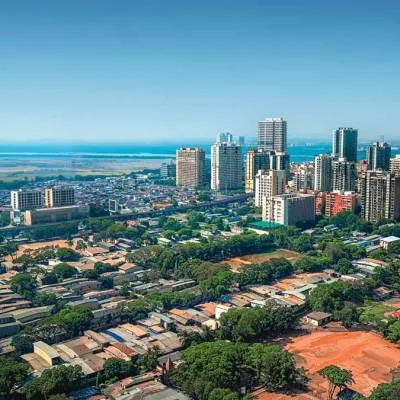
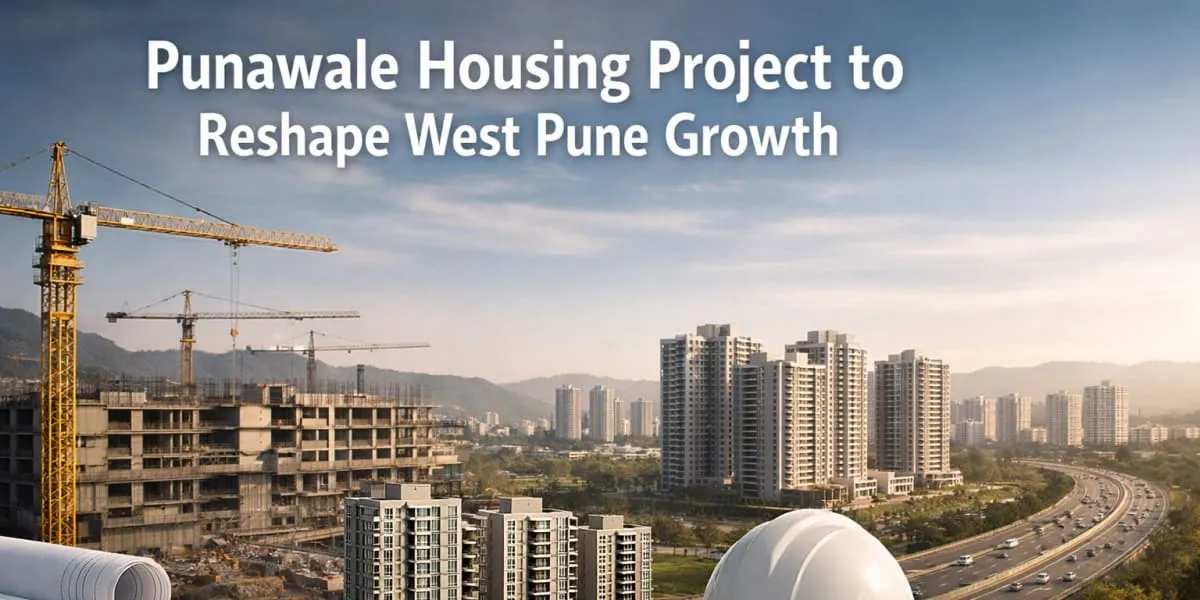
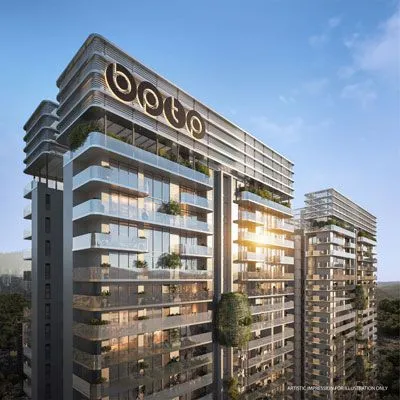
The Punawale housing project in Pune's western corridor is set to add significant residential supply and accelerate the city's expansion beyond its core into emerging suburban clusters. Planned across a double-digit-acreage parcel and to be developed in phases, the scheme is expected to deliver over 2,000 homes in the mid-to-premium segment. The development signals confidence in Pune's housing market amid improving road and highway connectivity and proximity to employment hubs.

The scheme highlights the increasing use of joint development agreements in land-constrained markets, allowing developers to partner with landowners to unlock parcels without full acquisition. This approach can enable faster execution while sharing financial risk and has become relevant where land fragmentation would otherwise slow projects. From a planning perspective, large clusters permit integrated amenities and community infrastructure within a single footprint.

Large developments allow open spaces and design efficiencies but can place pressure on civic systems such as water supply, waste management and transport networks. Planners warn that without coordinated public investment the benefits of integrated amenities risk being undermined by capacity shortfalls in social infrastructure. The balance between private project delivery and civic provision will help determine whether new clusters deliver sustainable outcomes.

Experts emphasise that future-ready projects must incorporate environmental sustainability, including water-sensitive planning, energy efficiency and mobility integration. An urban development consultant tracking the region noted that efficient building orientation, increased green cover and measures to reduce heat gain are being factored into project planning. These design priorities are intended to mitigate environmental impacts as western Pune continues to grow.

Market analysts note that demand remains steady, driven by first-time buyers and upwardly mobile households seeking larger apartments and family-oriented configurations that reflect post-pandemic preferences for space and flexibility. The expansion underscores the need for public transport penetration and social infrastructure such as schools and healthcare to keep pace for balanced urban growth. The long-term impact will depend on effective integration with wider urban systems to secure inclusive and environmentally sustainable outcomes.

The Punawale housing project in Pune's western corridor is set to add significant residential supply and accelerate the city's expansion beyond its core into emerging suburban clusters. Planned across a double-digit-acreage parcel and to be developed in phases, the scheme is expected to deliver over 2,000 homes in the mid-to-premium segment. The development signals confidence in Pune's housing market amid improving road and highway connectivity and proximity to employment hubs. The scheme highlights the increasing use of joint development agreements in land-constrained markets, allowing developers to partner with landowners to unlock parcels without full acquisition. This approach can enable faster execution while sharing financial risk and has become relevant where land fragmentation would otherwise slow projects. From a planning perspective, large clusters permit integrated amenities and community infrastructure within a single footprint. Large developments allow open spaces and design efficiencies but can place pressure on civic systems such as water supply, waste management and transport networks. Planners warn that without coordinated public investment the benefits of integrated amenities risk being undermined by capacity shortfalls in social infrastructure. The balance between private project delivery and civic provision will help determine whether new clusters deliver sustainable outcomes. Experts emphasise that future-ready projects must incorporate environmental sustainability, including water-sensitive planning, energy efficiency and mobility integration. An urban development consultant tracking the region noted that efficient building orientation, increased green cover and measures to reduce heat gain are being factored into project planning. These design priorities are intended to mitigate environmental impacts as western Pune continues to grow. Market analysts note that demand remains steady, driven by first-time buyers and upwardly mobile households seeking larger apartments and family-oriented configurations that reflect post-pandemic preferences for space and flexibility. The expansion underscores the need for public transport penetration and social infrastructure such as schools and healthcare to keep pace for balanced urban growth. The long-term impact will depend on effective integration with wider urban systems to secure inclusive and environmentally sustainable outcomes.

Next Story
Resources

SCOPE Rebrands as Sentova, Expands Global Advisory

SCOPE has rebranded as Sentova, marking its transition into a global investment banking and financial advisory platform focused on institutional deal-making and cross-border capital flows. The firm will operate across three core verticals—venture capital fundraising, private equity buyouts and investment consulting—offering end-to-end advisory from deal structuring to transaction closure. The move reflects growing integration of global capital markets, particularly across the India–Gulf and US–Middle East corridors, where Sentova aims to facilitate capital deployment through its inve..

Next Story
Products

Häfele Launches Horizon Digital Lock

Häfele has introduced the Horizon Digital Lock under its Evolve range, offering a smart security solution designed for contemporary homes. The digital lock integrates advanced features such as Smart Password, Smart Voice and Smart Freeze, enabling enhanced usability alongside robust security. It supports multiple locking modes including auto locking, passage, privacy and double authentication, allowing users to customise security levels based on usage. The system offers flexible access control through fingerprint, RFID card and password-enabled admin access, along with multiple user and gue..

Next Story
Real Estate

Casagrand Launches Premium Villa Project in Tiruppur

Casagrand has launched Casagrand Blossoms, a premium villa community in Poondi, marking a new phase in Tiruppur’s residential market. Spread across 8.4 acres, the project comprises 113 low-density 4 BHK villas ranging from 2,543 to 2,767 sq ft, with prices starting at Rs 15.9 million. The development is designed with a focus on open spaces, with over 5.5 acres dedicated to open areas, including 2.3 acres of landscaped greenery. The project features 59 lifestyle amenities, including a 9,300 sq ft clubhouse and a 6,300 sq ft swimming pool, along with fitness, recreation and wellness faciliti..

Advertisement

Subscribe to Our Newsletter

Get daily newsletters around different themes from Construction world.

STAY CONNECTED

Advertisement

Advertisement

Advertisement