India Has 11,000 GW Geothermal Heat Potential and 450 GW Capacity
ECONOMY & POLICY

India Has 11,000 GW Geothermal Heat Potential and 450 GW Capacity

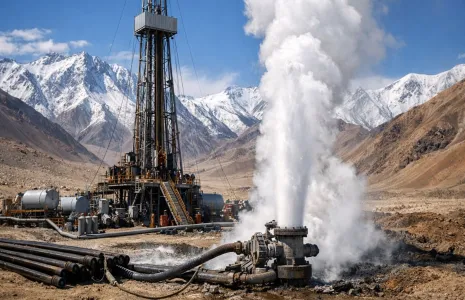
A new report by Project InnerSpace in partnership with the Council on Energy, Environment and Water (CEEW) estimates India has a geothermal heat potential of 11,000 gigawatt (GW) and a possible geothermal power generation capacity of about 450 GW, highlighting sizeable untapped resources. The analysis indicated that these resources could support growing industrial, cooling and electricity demand while easing pressure on the power grid across regions with favourable subsurface conditions.

The study mapped geothermal hotspots across Ladakh, Himachal Pradesh, Uttarakhand, Chhattisgarh and parts of Gujarat and Maharashtra, noting that deployment to date has been limited largely to pilot projects because of exploration risks and the high cost of deep drilling. It said geological diversity and temperature gradients in identified zones offer opportunities for direct heat use as well as electricity generation where temperatures and permeability permit commercial extraction.

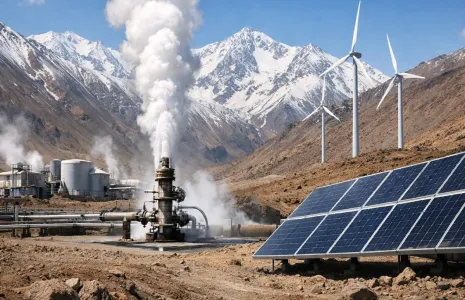
Unlike solar and wind, geothermal energy provides a continuous renewable energy supply that is largely independent of weather conditions, making it attractive for grid stability and round the clock power provision. The report suggested that geothermal systems could be deployed to supply steady baseload power and to meet process heat, industrial heating and large scale cooling requirements in manufacturing and data centre clusters.

India has prioritised rapid expansion of solar, wind and hydropower so far, leaving geothermal largely underexplored despite its complementary attributes. The authors argued that unlocking significant capacity will require stronger policy support, increased exploration investment, modern drilling infrastructure and measures to de-risk initial projects for private investment.

The report concluded that if commercial and technological challenges are addressed, geothermal energy could become an important pillar of India’s long term clean energy transition and energy security strategy, offering firm low carbon power and industrial heat. It recommended coordinated action between central and state authorities, research institutions and industry to develop exploration frameworks, fiscal incentives and pilot scaling programmes.

A new report by Project InnerSpace in partnership with the Council on Energy, Environment and Water (CEEW) estimates India has a geothermal heat potential of 11,000 gigawatt (GW) and a possible geothermal power generation capacity of about 450 GW, highlighting sizeable untapped resources. The analysis indicated that these resources could support growing industrial, cooling and electricity demand while easing pressure on the power grid across regions with favourable subsurface conditions. The study mapped geothermal hotspots across Ladakh, Himachal Pradesh, Uttarakhand, Chhattisgarh and parts of Gujarat and Maharashtra, noting that deployment to date has been limited largely to pilot projects because of exploration risks and the high cost of deep drilling. It said geological diversity and temperature gradients in identified zones offer opportunities for direct heat use as well as electricity generation where temperatures and permeability permit commercial extraction. Unlike solar and wind, geothermal energy provides a continuous renewable energy supply that is largely independent of weather conditions, making it attractive for grid stability and round the clock power provision. The report suggested that geothermal systems could be deployed to supply steady baseload power and to meet process heat, industrial heating and large scale cooling requirements in manufacturing and data centre clusters. India has prioritised rapid expansion of solar, wind and hydropower so far, leaving geothermal largely underexplored despite its complementary attributes. The authors argued that unlocking significant capacity will require stronger policy support, increased exploration investment, modern drilling infrastructure and measures to de-risk initial projects for private investment. The report concluded that if commercial and technological challenges are addressed, geothermal energy could become an important pillar of India’s long term clean energy transition and energy security strategy, offering firm low carbon power and industrial heat. It recommended coordinated action between central and state authorities, research institutions and industry to develop exploration frameworks, fiscal incentives and pilot scaling programmes.

Next Story
Equipment

BKT Showcases Tyre Innovation at Agritechnica Asia

Leading off highway tyre manufacturer Balkrishna Industries (BKT) has returned to Agritechnica Asia, the inaugural spin-off of the global Hanover agricultural machinery exhibition. From 21–23 May, over 15,000 trade visitors at Bangkok International Trade & Exhibition Centre (BITEC) can explore the latest innovations and technologies driving modern agriculture.At booth F17, BKT and its long-term Thai partner, Chavakit Ruam Yang, showcase a broad product portfolio addressing Southeast Asia’s agricultural needs, where soil protection and product longevity are critical. The collaboration s..

Next Story
Real Estate

Perceptive Ideas completes Aurika Mumbai Airport luxury hotel

Perceptive Ideas – Consulting Engineers has successfully completed structural consultancy for Aurika, Mumbai International Airport – Luxury by Lemon Tree Hotels. The 669-room property blends Mumbai’s architectural heritage with modern luxury, featuring fine dining, banqueting, spa, fitness centre, and rooftop pool.The consultancy encompassed foundation design, durable structural systems, and integration with MEP and architectural elements, ensuring safety, long-term performance, and support for the architect’s vision. Complex urban site challenges were addressed with innovative, perfor..

Next Story
Infrastructure Urban

GoAL Expands in Louisiana with New VP and Baton Rouge Office

Gulf of America Logistics (GoAL), a 100% Louisiana-owned capital projects specialist, has appointed Jake Minner as Vice President of Operations – Specialized Transport and Trucking and opened a new Baton Rouge office, increasing its statewide network to four locations.Minner brings 17 years of heavy-haul experience and will lead GoAL’s asset-based transportation operations from Baton Rouge. The firm’s offices now serve Bossier City (corporate headquarters), Baton Rouge (heavy-haul operations), Lafayette (Gulf Coast and offshore logistics), and Rayville (northeast Louisiana industrial ser..

Advertisement

Subscribe to Our Newsletter

Get daily newsletters around different themes from Construction world.

STAY CONNECTED

Advertisement

Advertisement

Advertisement

-->