



Montra Electric Ships 175 EV Three-Wheelers by Rail
ECONOMY & POLICY

Montra Electric Ships 175 EV Three-Wheelers by Rail

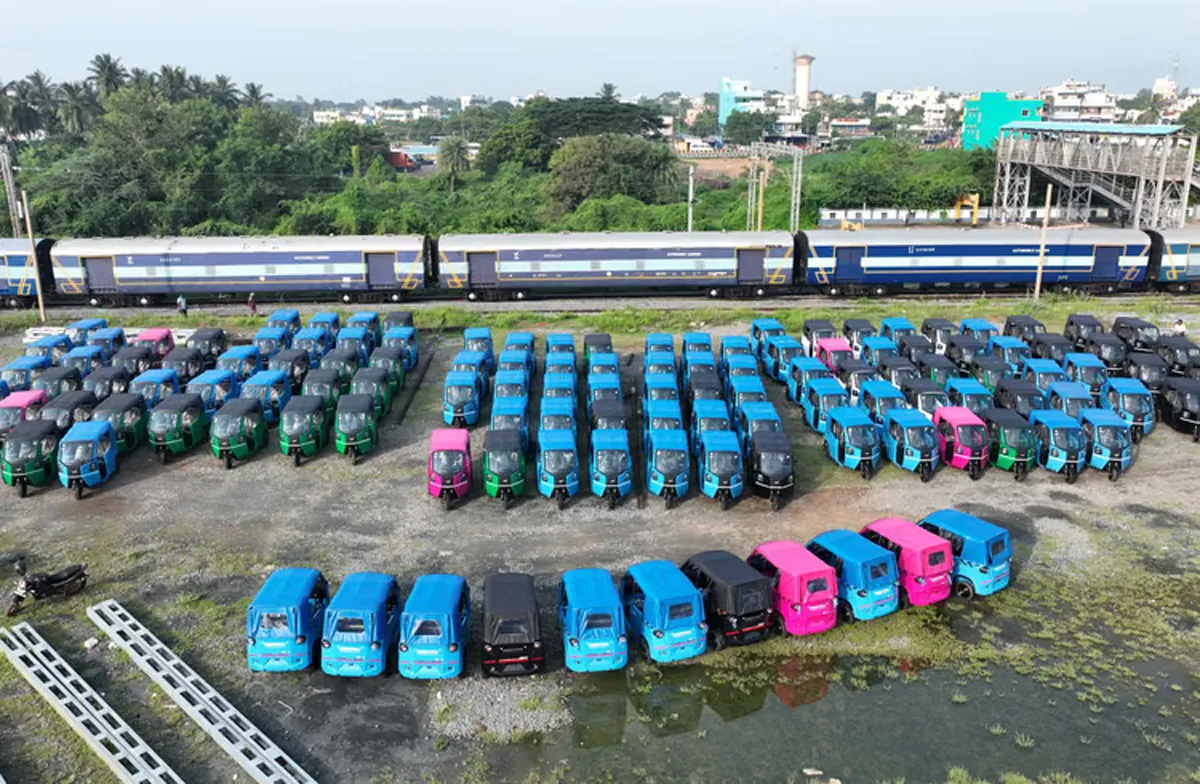
Montra Electric Last-Mile Mobility has completed its inaugural bulk railway shipment, transporting 175 Super Auto electric three-wheelers from Tada, Andhra Pradesh, to Siliguri, West Bengal. The dispatch marks a strategic logistics shift to meet rising festive season demand while reducing environmental impact.
The rail journey covered over 2,000 kilometres in under 72 hours, completing in less than five days compared with the 12–14 days typically required for road transport. The company estimates this approach reduced CO₂ emissions by approximately 15,800 tonnes compared with conventional truck-based deliveries.
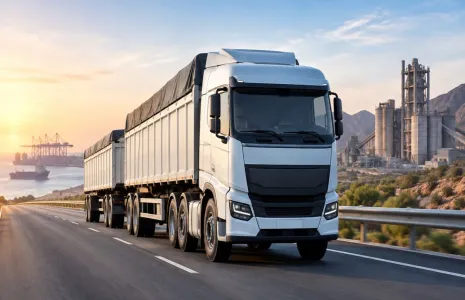
According to Montra Electric, the rail shipment consolidated what would have required 17–18 separate truck trips into a single movement, cutting logistics costs by up to 30 per cent. The vehicles are being stored at a dedicated warehouse in Siliguri before distribution to dealerships across North and North-East India.
“By adopting smarter logistics, we have been able to significantly reduce lead times, ensuring vehicles reach our customers faster while lowering our environmental footprint,” said Deependra Sharma, CEO of Montra Electric Last-Mile Mobility.
The Super Auto offers a top speed of 55 km/h, a peak power output of 10 kW, and an assured range of 160 km. The three-wheeler features LED headlights, radial tubeless tyres, and a metal body with boron steel chassis construction.
Montra Electric operates more than 110 exclusive showrooms across India and continues to expand its retail presence in the electric last-mile mobility segment.

Montra Electric Last-Mile Mobility has completed its inaugural bulk railway shipment, transporting 175 Super Auto electric three-wheelers from Tada, Andhra Pradesh, to Siliguri, West Bengal. The dispatch marks a strategic logistics shift to meet rising festive season demand while reducing environmental impact.The rail journey covered over 2,000 kilometres in under 72 hours, completing in less than five days compared with the 12–14 days typically required for road transport. The company estimates this approach reduced CO₂ emissions by approximately 15,800 tonnes compared with conventional truck-based deliveries.According to Montra Electric, the rail shipment consolidated what would have required 17–18 separate truck trips into a single movement, cutting logistics costs by up to 30 per cent. The vehicles are being stored at a dedicated warehouse in Siliguri before distribution to dealerships across North and North-East India.“By adopting smarter logistics, we have been able to significantly reduce lead times, ensuring vehicles reach our customers faster while lowering our environmental footprint,” said Deependra Sharma, CEO of Montra Electric Last-Mile Mobility.The Super Auto offers a top speed of 55 km/h, a peak power output of 10 kW, and an assured range of 160 km. The three-wheeler features LED headlights, radial tubeless tyres, and a metal body with boron steel chassis construction.Montra Electric operates more than 110 exclusive showrooms across India and continues to expand its retail presence in the electric last-mile mobility segment.

Next Story
Infrastructure Urban

Centre Clears Power Distribution Upgrade for Uttar Pradesh

The Central Government has approved power distribution projects worth Rs 407.39 billion for Uttar Pradesh under the Revamped Distribution Sector Scheme (RDSS). The investment will be used to modernise the state's electricity distribution infrastructure and strengthen network capacity across urban and rural areas. The package targets one of the country's largest distribution networks as the state experiences rapid urbanisation and rising electricity consumption. Planned interventions include the strengthening of distribution lines, modernisation of substations, replacement of ageing electrical ..

Next Story
Infrastructure Energy

India Data Centres To Consume 191 TWh By 2040 Driving Renewables

A Wood Mackenzie report says India's operational data centre capacity is projected to increase more than fivefold to 12 gigawatt (GW) by 2030 from 2.2 GW in 2025 as artificial intelligence (AI) and cloud computing drive demand. It projects electricity consumption to rise from 10 terawatt-hour (TWh) in 2025 to 191 TWh by 2040. The study forecasts a compound annual growth rate of around 40 per cent and notes AI-dedicated capacity will surge nearly 24-fold from 275 megawatt (MW) in 2025 to 6,546 MW by 2030. The report places India's digital economy at Rs 32 trillion (tn) in 2025 and says it contr..

Next Story
Infrastructure Transport

Hydrogen Train Completes 1,200 Kilometres Of Trials

India's first hydrogen train was flagged off between Jind and Sonipat on July 17 and has travelled over 1,200 kilometres in trials, saving diesel consumption of more than 3,200 litres, a Railway Ministry press release said. The deployment marks the introduction of a zero-emission fuel cell train into route testing and represents a milestone in domestic rail innovation. The train generates electricity onboard through a chemical reaction between hydrogen and oxygen, producing electricity to propel the vehicle while emitting only water vapour as a by-product. There is no smoke and no tailpipe car..

Advertisement

Subscribe to Our Newsletter

Get daily newsletters around different themes from Construction world.

STAY CONNECTED

Advertisement

Advertisement

Advertisement















