NXP Unveils S32N7 Processor to Power Software-Defined Vehicles
ECONOMY & POLICY

NXP Unveils S32N7 Processor to Power Software-Defined Vehicles

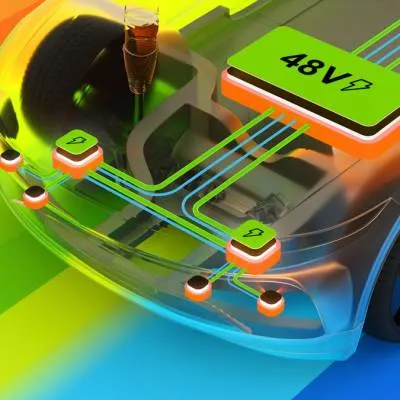
NXP Semiconductors N.V. has recently unveiled its S32N7 super-integration processor series, designed to unlock the full potential of software-defined vehicles (SDVs). Built on the same 5 nm foundation as the S32N55, the new series enables carmakers to digitalise core vehicle domains including propulsion, vehicle dynamics, body, gateway and safety systems.

The S32N7 series is engineered to consolidate software and data into a single, centralised compute hub at the heart of the vehicle, while meeting stringent safety and security requirements. By simplifying electronic architectures and eliminating multiple hardware modules, automakers can reduce total cost of ownership by up to 20 per cent through efficiencies in wiring, electronics and software integration.

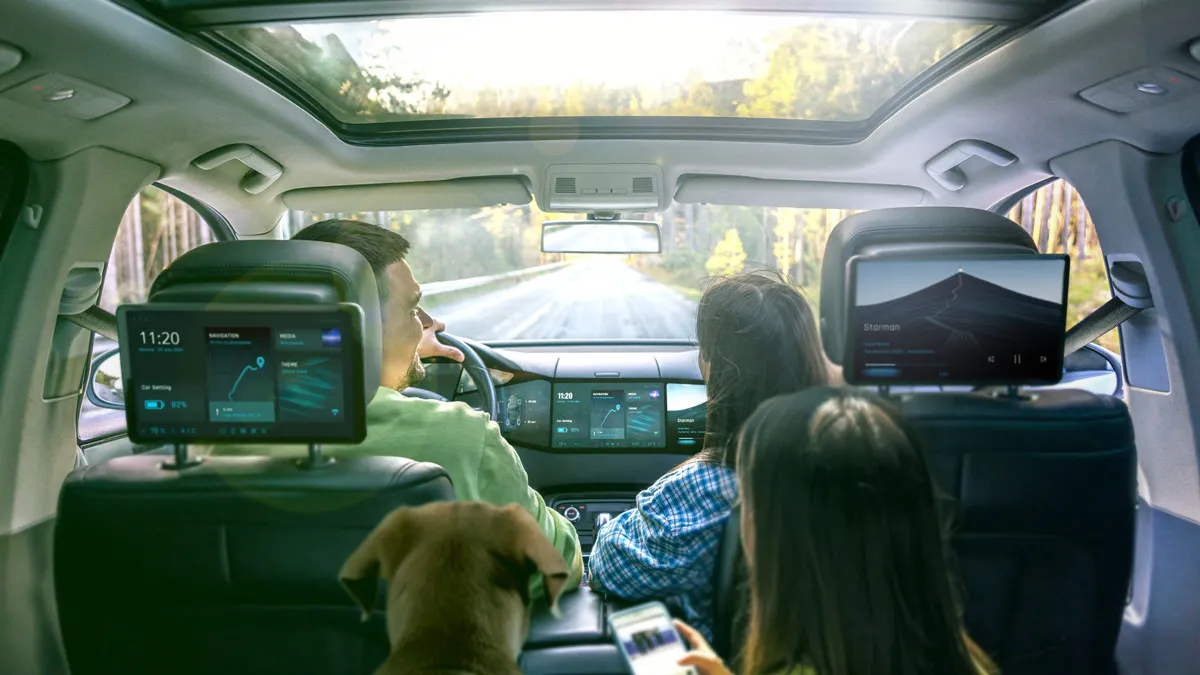
Centralised intelligence enables vehicle manufacturers to scale AI-driven innovation across platforms, supporting features such as personalised driving experiences, predictive maintenance and virtual sensors. A high-performance data backbone also allows future upgrades to advanced AI silicon without re-architecting the vehicle, ensuring long-term scalability.

The processor has been designed to support software-defined mobility at scale, offering a portfolio of 32 compatible variants with application and real-time compute, high-performance networking, hardware isolation, and AI and data acceleration on a single system-on-chip.

Bosch is the first partner to deploy the S32N7 within its vehicle integration platform. NXP and Bosch have co-developed reference designs, safety frameworks and hardware integration programmes to accelerate system deployment and reduce integration effort for early adopters.

The S32N7 series forms a key element of NXP’s S32 automotive processing platform, supporting the industry’s transition towards intelligent, software-defined and next-generation vehicle architectures.

NXP Semiconductors N.V. has recently unveiled its S32N7 super-integration processor series, designed to unlock the full potential of software-defined vehicles (SDVs). Built on the same 5 nm foundation as the S32N55, the new series enables carmakers to digitalise core vehicle domains including propulsion, vehicle dynamics, body, gateway and safety systems. The S32N7 series is engineered to consolidate software and data into a single, centralised compute hub at the heart of the vehicle, while meeting stringent safety and security requirements. By simplifying electronic architectures and eliminating multiple hardware modules, automakers can reduce total cost of ownership by up to 20 per cent through efficiencies in wiring, electronics and software integration. Centralised intelligence enables vehicle manufacturers to scale AI-driven innovation across platforms, supporting features such as personalised driving experiences, predictive maintenance and virtual sensors. A high-performance data backbone also allows future upgrades to advanced AI silicon without re-architecting the vehicle, ensuring long-term scalability. The processor has been designed to support software-defined mobility at scale, offering a portfolio of 32 compatible variants with application and real-time compute, high-performance networking, hardware isolation, and AI and data acceleration on a single system-on-chip. Bosch is the first partner to deploy the S32N7 within its vehicle integration platform. NXP and Bosch have co-developed reference designs, safety frameworks and hardware integration programmes to accelerate system deployment and reduce integration effort for early adopters. The S32N7 series forms a key element of NXP’s S32 automotive processing platform, supporting the industry’s transition towards intelligent, software-defined and next-generation vehicle architectures.

Next Story
Infrastructure Urban

Panasonic Showcases Connected Display Solutions

Panasonic Life Solutions India showcased its integrated display, projection, broadcast and communication technologies at Panasonic Tech Summit 2026 in New Delhi. Hosted through its System Solutions Division, the two-day event highlighted connected technology solutions for education, healthcare, retail, transportation, corporate offices and entertainment.The summit, themed ‘Turning Technology into Value’, featured experience-led zones covering QSR, retail, transit, corporate offices, healthcare, education, security, projection, home theatre and professional displays. Panasonic also introduc..

Next Story
Infrastructure Transport

Kapsch to Deliver India’s First C-ITS Project

"Kapsch TrafficCom will deliver India’s first Cooperative Intelligent Transport Systems project on a key expressway near New Delhi. The project will be implemented with Superwave Communication And Infrasolution Limited to demonstrate how connected mobility can improve road safety and traffic efficiency.The pilot will use real-time connectivity and AI-enabled situational awareness to support road users, especially in high-risk areas such as temporary work zones. Drivers will receive alerts on roadworks, maintenance vehicles, hazardous locations, traffic queues and temporary virtual signage di..

Next Story
Infrastructure Urban

Eurobond Net Profit Rises 44 Per Cent

Euro Panel Products, the parent company of Eurobond, reported a 44.13 per cent year-on-year rise in net profit for FY25–26. The company’s revenue from operations grew 18.91 per cent to Rs 503.20 crore, compared to Rs 423.18 crore in the previous financial year.The company’s full-year EBITDA stood at Rs 56.67 crore, marking a 31.82 per cent increase. Profit after tax rose to Rs 26.56 crore, while net worth increased 20.15 per cent to Rs 160.07 crore. Earnings per share for the year stood at Rs 10.84.Divyam Rajesh Shah, Whole Time Director and CFO, Euro Panel Products, said the company’s..

Advertisement

Subscribe to Our Newsletter

Get daily newsletters around different themes from Construction world.

STAY CONNECTED

Advertisement

Advertisement

Advertisement

-->