Delhi Airport Advises Metro Use Amid India AI Summit
AVIATION & AIRPORTS

Delhi Airport Advises Metro Use Amid India AI Summit

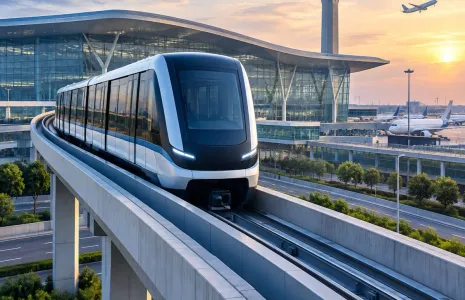
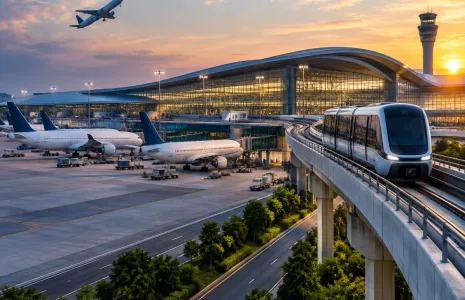
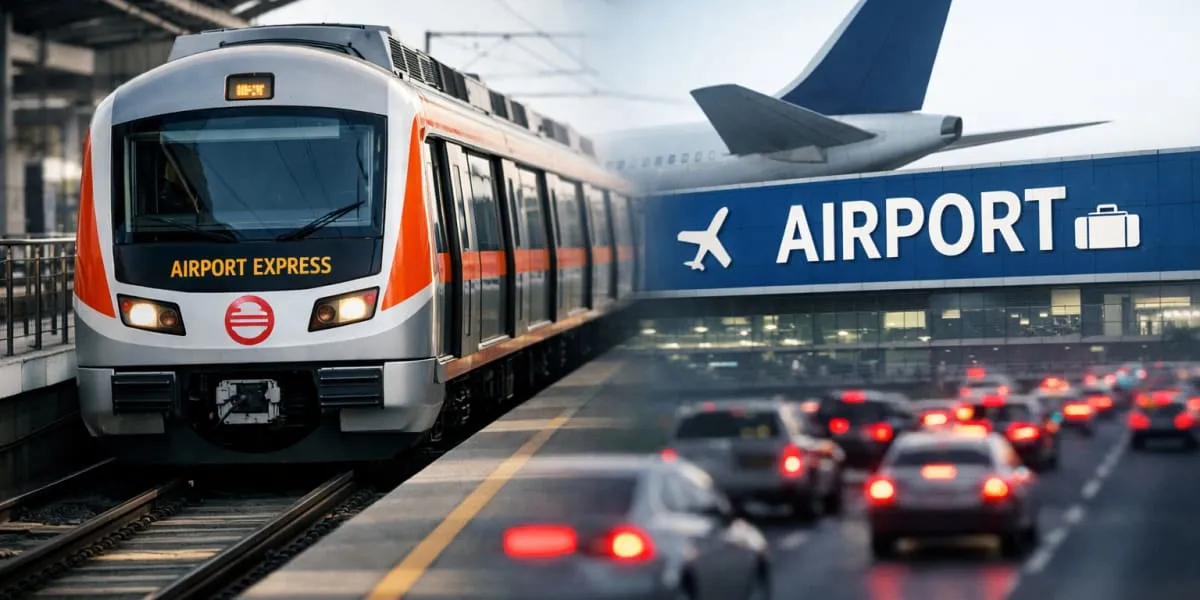
Delhi Airport has advised passengers to prefer the metro for journeys to and from the terminals as traffic congestion is expected during the India Artificial Intelligence Summit. The advisory warned that elevated vehicle volumes and temporary traffic management measures around the airport precinct could lead to delays on road approaches. Airport authorities indicated that the metro network offers a more reliable option for timed connections and international arrivals, particularly for passengers with fixed flight schedules.

Officials said airport operations will continue but ground access may be intermittently constrained as city agencies implement measures to manage summit traffic. Coordination between the airport, municipal traffic police and summit organisers was reported to focus on minimising disruption and maintaining emergency access. Travellers and staff were told to allow additional transit time and to follow signage and instructions from traffic personnel.

The advisory encouraged use of public transport including the metro and authorised shuttle services serving the airport, noting that such options reduce dependence on private vehicles and ad hoc drop-offs. Passengers were advised to check train schedules and plan onward transfers in advance to avoid missing connections. Those requiring road access were recommended to factor in contingencies and to use official parking and drop zones.

Local businesses and hotels near the airport were expected to adjust arrangements for guest transfers and deliveries during the summit period, and ground handlers were preparing for potential peaks in passenger flow. The airport said it would monitor the situation continuously and issue updates through official channels to keep passengers informed. Travellers were urged to plan journeys early and to monitor travel advisories before setting out well prepared.

Delhi Airport has advised passengers to prefer the metro for journeys to and from the terminals as traffic congestion is expected during the India Artificial Intelligence Summit. The advisory warned that elevated vehicle volumes and temporary traffic management measures around the airport precinct could lead to delays on road approaches. Airport authorities indicated that the metro network offers a more reliable option for timed connections and international arrivals, particularly for passengers with fixed flight schedules. Officials said airport operations will continue but ground access may be intermittently constrained as city agencies implement measures to manage summit traffic. Coordination between the airport, municipal traffic police and summit organisers was reported to focus on minimising disruption and maintaining emergency access. Travellers and staff were told to allow additional transit time and to follow signage and instructions from traffic personnel. The advisory encouraged use of public transport including the metro and authorised shuttle services serving the airport, noting that such options reduce dependence on private vehicles and ad hoc drop-offs. Passengers were advised to check train schedules and plan onward transfers in advance to avoid missing connections. Those requiring road access were recommended to factor in contingencies and to use official parking and drop zones. Local businesses and hotels near the airport were expected to adjust arrangements for guest transfers and deliveries during the summit period, and ground handlers were preparing for potential peaks in passenger flow. The airport said it would monitor the situation continuously and issue updates through official channels to keep passengers informed. Travellers were urged to plan journeys early and to monitor travel advisories before setting out well prepared.

Next Story
Infrastructure Transport

MMRDA advances 250 m on Orange Gate–Marine Drive tunnel

The Mumbai Metropolitan Region Development Authority (MMRDA) has completed 250 m of underground tunnelling for the Orange Gate–Marine Drive Urban Road Tunnel using India’s largest slurry shield tunnel boring machine (TBM) deployed for an urban road project.The project involves twin tunnels extending over 7 km beneath critical transport corridors, including Central Railway, Western Railway and Metro Line 3. The work requires high-precision engineering to navigate densely developed urban infrastructure.Once completed, the tunnel is expected to reduce travel time between Orange Gate and Marin..

Next Story
Infrastructure Urban

Hindustan Zinc Pays Rs 188.46 Billion in FY26

Hindustan Zinc contributed Rs 188.46 billion to the public exchequer in FY 2025-26, according to its 9th Tax Transparency Report. The contribution, equivalent to 46 per cent of the company’s revenue, included direct and indirect taxes, government royalties, dividends to the Government of India, withholding taxes and other statutory levies.The company’s five-year cumulative contribution to the exchequer stood at Rs 915.72 billion. In FY26, Hindustan Zinc reported revenue of Rs 408.44 billion, EBITDA of Rs 221.62 billion and profit after tax of Rs 138.32 billion. It also achieved its highest..

Next Story
Infrastructure Urban

World of Concrete India 2026 Opens in Mumbai

Informa Markets in India will host the 12th edition of World of Concrete India 2026 from 3–5 June 2026 at the Bombay Exhibition Centre, Mumbai. The specialised B2B exhibition will bring together manufacturers, suppliers, contractors, developers, architects, consultants, infrastructure companies, project leaders and government stakeholders.The event is expected to feature over 350 brands and more than 18,000 trade professionals. It will cover concrete and cement, dry mortar, precast technologies, formwork, construction chemicals, industrial and commercial flooring, scaffolding, safety solutio..

Advertisement

Subscribe to Our Newsletter

Get daily newsletters around different themes from Construction world.

STAY CONNECTED

Advertisement

Advertisement

Advertisement

-->