National Highway Toll Collections To Grow 10-12 Per Cent
ROADS & HIGHWAYS

National Highway Toll Collections To Grow 10-12 Per Cent

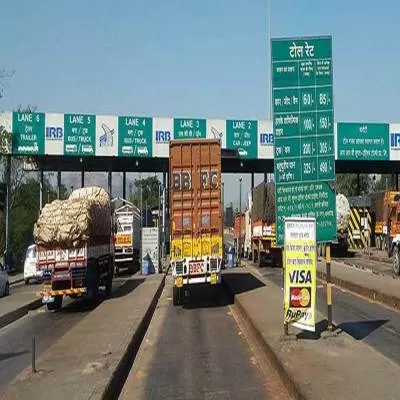
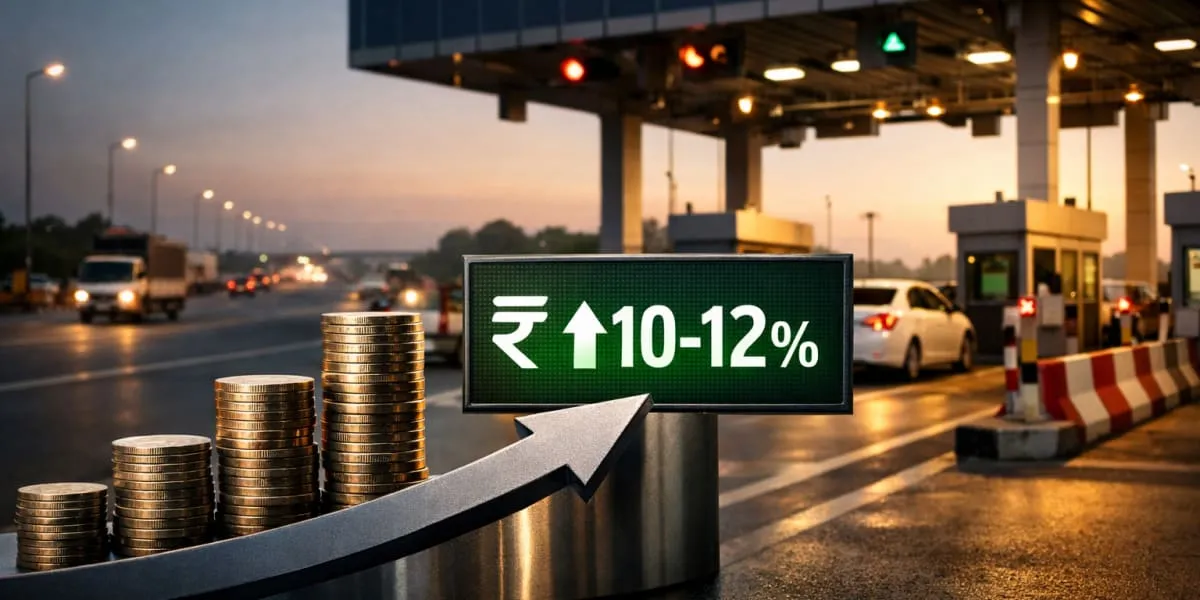
ICRA Limited (ICRA) has forecast that national highway toll collections in India will grow 10-12 per cent in 2027-28, driven by higher toll revisions and steady traffic growth. It said that collections are likely to moderate to seven to nine per cent in 2026-27 from ten per cent in the prior year amid slower traffic growth and lower toll rate revisions.

ICRA expects national highway traffic to expand by four to five per cent in 2026-27, down from six per cent in 2025-26, while toll rate growth is estimated at three point four to four per cent for the year. The report attributed part of the subdued rate growth to export-related traffic challenges and noted that traffic trends broadly track the gross value added (GVA) of construction, mining and manufacturing (CMM).

Suprio Banerjee, co-group head of corporate ratings at ICRA, said that CMM GVA rose eight point one per cent in 2025-26, which supported six per cent traffic growth on national highways and a ten per cent increase in toll collections that year. The report therefore links sectoral economic performance to roadway usage and revenue outcomes rather than treating toll growth as an isolated metric.

For 2027-28, ICRA projected higher toll revisions supported by a favourable movement in the Wholesale Price Index (WPI) amid geopolitical tensions in West Asia. It estimated WPI growth at eight to eight point five per cent in December 2026 and four point five to five point five per cent in March 2027, and said these dynamics would underpin tariff adjustments.

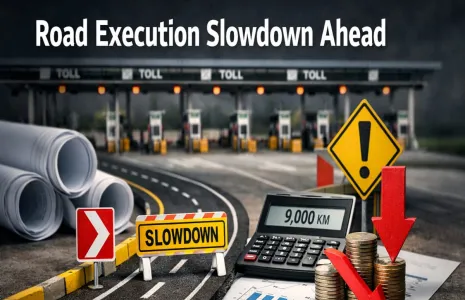
The report added that road construction execution by the Ministry of Road Transport and Highways (MoRTH) is likely to remain range-bound at 9,000-9,500 km in 2026-27 against 9,380 km in 2025-26, with road awards expected to rise to 8,000-8,500 km from around 7,000 km. It noted that engineering, procurement and construction (EPC) will remain the preferred awarding route while the government increases focus on build-operate-transfer (BOT) toll projects to revive private participation and that the revised BOT concession framework should reduce downside risk to concessionaires and lenders.

ICRA Limited (ICRA) has forecast that national highway toll collections in India will grow 10-12 per cent in 2027-28, driven by higher toll revisions and steady traffic growth. It said that collections are likely to moderate to seven to nine per cent in 2026-27 from ten per cent in the prior year amid slower traffic growth and lower toll rate revisions. ICRA expects national highway traffic to expand by four to five per cent in 2026-27, down from six per cent in 2025-26, while toll rate growth is estimated at three point four to four per cent for the year. The report attributed part of the subdued rate growth to export-related traffic challenges and noted that traffic trends broadly track the gross value added (GVA) of construction, mining and manufacturing (CMM). Suprio Banerjee, co-group head of corporate ratings at ICRA, said that CMM GVA rose eight point one per cent in 2025-26, which supported six per cent traffic growth on national highways and a ten per cent increase in toll collections that year. The report therefore links sectoral economic performance to roadway usage and revenue outcomes rather than treating toll growth as an isolated metric. For 2027-28, ICRA projected higher toll revisions supported by a favourable movement in the Wholesale Price Index (WPI) amid geopolitical tensions in West Asia. It estimated WPI growth at eight to eight point five per cent in December 2026 and four point five to five point five per cent in March 2027, and said these dynamics would underpin tariff adjustments. The report added that road construction execution by the Ministry of Road Transport and Highways (MoRTH) is likely to remain range-bound at 9,000-9,500 km in 2026-27 against 9,380 km in 2025-26, with road awards expected to rise to 8,000-8,500 km from around 7,000 km. It noted that engineering, procurement and construction (EPC) will remain the preferred awarding route while the government increases focus on build-operate-transfer (BOT) toll projects to revive private participation and that the revised BOT concession framework should reduce downside risk to concessionaires and lenders.

Related Stories

Gold Stories

Next Story
Equipment

“Road maintenance technologies will play a bigger role in India.”

Interview with Magesh Swaminathan, CEO, Infraserve GlobalInfraserve Global was recently launched as a separate brand. Could you tell us more about the company and its journey?InfraServe Global (ISG) is part of the Gainwell Group, which carries an 82-year legacy in the construction equipment sector through its Caterpillar dealership, TIL cranes and other product lines. ISG earlier operated as the Allied Business division out of our Pune facility and has now been carved out into a dedicated business entity — InfraServe Global.ISG has been officially launched at bauma CONEXPO India, marking a n..

Next Story
Real Estate

India's Real Estate Investment Shifts to Income Growth: JLL

India's commercial real estate market is entering a new phase of value creation, with investor returns increasingly driven by rental income growth, operational efficiency and strategic asset selection rather than capitalisation rate compression, according to JLL's report, A Decade of Change: The Institutionalization of Commercial Real Estate in India.The report indicates that high-quality office assets can continue to deliver double-digit unlevered internal rates of return (IRR) over a typical five-year investment period, supported by resilient net operating income (NOI) growth and sustained o..
Next Story
Infrastructure Urban

Copeland Expands Scroll Compressor Manufacturing in India

Copeland has expanded its manufacturing capabilities in Atit, Maharashtra, becoming the first company to manufacture scroll compressors in India. Production began in December 2025, marking a significant milestone in strengthening domestic manufacturing capabilities for heating, ventilation, air conditioning and refrigeration (HVACR) applications.The expansion forms part of Copeland's Rs 5 billion investment initiative announced in 2024, which also includes strengthening its engineering and innovation capabilities in Pune. The investment aims to support India's growing HVACR market while enhanc..

Advertisement

Subscribe to Our Newsletter

Get daily newsletters around different themes from Construction world.

STAY CONNECTED

Advertisement

SPECIAL OFFER
QR Code