Bengaluru Metro Phase Three To Affect 1,087 Properties
RAILWAYS & METRO RAIL

Bengaluru Metro Phase Three To Affect 1,087 Properties

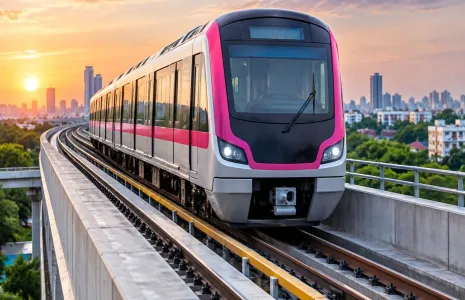
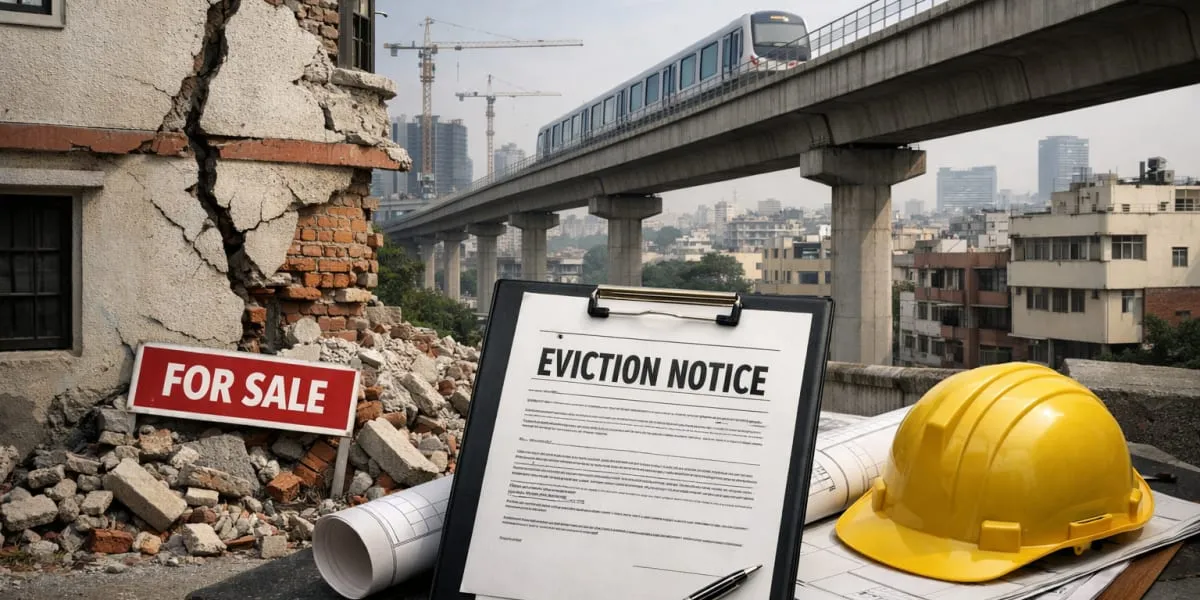
The Bangalore Metro Rail Corporation Limited (BMRCL) has proposed the full or partial demolition of 1,087 properties that fall within the alignment of a major portion of Phase three of the Bengaluru metro. The affected properties account for a combined floor area of 1.33 lakh square metres, equivalent to 0.133 million (mn) square metres. The list includes residential and commercial structures identified during corridor surveys and the clearances form part of preparatory land acquisition and enabling works. The authority has indicated that final tallies and schedules will be subject to statutory approvals.

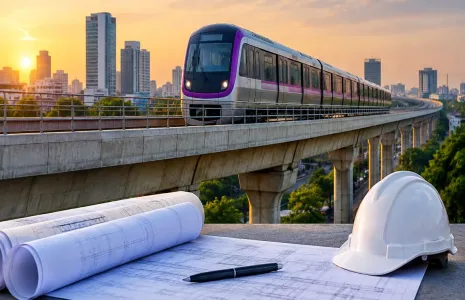
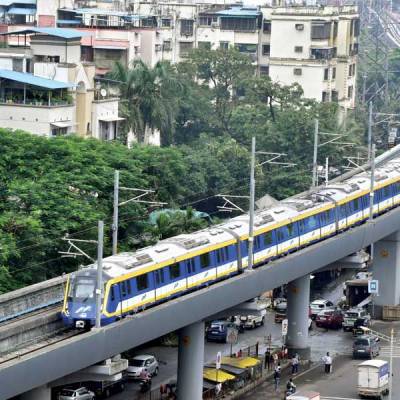
Phase three will extend 44.65 km and include 31 elevated stations. Corridor one, measuring 32.15 km, will run from JP Nagar Fourth Phase to Kempapura along the western leg of the Outer Ring Road with 22 stations, while Corridor two will cover 12.5 km from Hosahalli to Kadabagere on Magadi Road with nine stations. The alignment is designed to strengthen orbital connectivity across Bengaluru and to integrate with existing lines. Detailed engineering is expected to refine station locations and construction methods.

In January, the BMRCL invited civil construction bids for several Phase three packages but subsequently put the process on hold. The decision to pause followed objections from the Centre to the state government’s proposal to build a 37.12 km double?decker viaduct as part of the corridor, an element estimated at Rs 9,692.33 crore, about Rs 96.9233 billion (bn). The hold has delayed contractor appointments and will require further consultations and clearances before contracts can be awarded. Officials will need to reconcile alignment choices with national policy and funding conditions.

The authority is undertaking detailed surveys to finalise the structures slated for removal and to determine compensation and rehabilitation measures in accordance with applicable regulations. Affected occupants are to be notified of acquisition schedules and entitlements once approvals are secured, and the corporation will coordinate relocation assistance where required. BMRCL will continue design work and statutory processes so that demolition and construction can commence promptly after necessary clearances.

The Bangalore Metro Rail Corporation Limited (BMRCL) has proposed the full or partial demolition of 1,087 properties that fall within the alignment of a major portion of Phase three of the Bengaluru metro. The affected properties account for a combined floor area of 1.33 lakh square metres, equivalent to 0.133 million (mn) square metres. The list includes residential and commercial structures identified during corridor surveys and the clearances form part of preparatory land acquisition and enabling works. The authority has indicated that final tallies and schedules will be subject to statutory approvals. Phase three will extend 44.65 km and include 31 elevated stations. Corridor one, measuring 32.15 km, will run from JP Nagar Fourth Phase to Kempapura along the western leg of the Outer Ring Road with 22 stations, while Corridor two will cover 12.5 km from Hosahalli to Kadabagere on Magadi Road with nine stations. The alignment is designed to strengthen orbital connectivity across Bengaluru and to integrate with existing lines. Detailed engineering is expected to refine station locations and construction methods. In January, the BMRCL invited civil construction bids for several Phase three packages but subsequently put the process on hold. The decision to pause followed objections from the Centre to the state government’s proposal to build a 37.12 km double?decker viaduct as part of the corridor, an element estimated at Rs 9,692.33 crore, about Rs 96.9233 billion (bn). The hold has delayed contractor appointments and will require further consultations and clearances before contracts can be awarded. Officials will need to reconcile alignment choices with national policy and funding conditions. The authority is undertaking detailed surveys to finalise the structures slated for removal and to determine compensation and rehabilitation measures in accordance with applicable regulations. Affected occupants are to be notified of acquisition schedules and entitlements once approvals are secured, and the corporation will coordinate relocation assistance where required. BMRCL will continue design work and statutory processes so that demolition and construction can commence promptly after necessary clearances.

Related Stories

Gold Stories

Next Story
Real Estate

A Concrete Statement in Jubilee Hills

The Jubilee Hills residence is an exploration of structure as architecture, where mathematical precision, exposed concrete, and engineering discipline come together to create a bold and enduring built form.Constructed with Blushfarbe, HAACE’s bespoke concrete finish, the project demanded exceptional control, as every visible structural element was also required to perform as the final architectural surface. Deep reinforced concrete roof frames extend into the vertical façade, while precision-cast fluted surfaces, rhythmic vertical fins, circular columns, and a cantilevered staircase create ..

Next Story
Infrastructure Energy

Hindustan Zinc raises renewable power share to 22 per cent

Hindustan Zinc has increased the share of renewable energy in its overall power consumption to 22 per cent, up from around 18 per cent in FY26, as it advances towards sourcing 70 per cent of its power requirements from renewable sources by FY28.During FY26, the company generated 892 million units of green power, up from 632 million units in FY25. It has also expanded its round-the-clock renewable power arrangement with Serentica Renewables from 450 MW to 530 MW to support the transition.Hindustan Zinc is strengthening its renewable energy portfolio through solar, wind and energy storage soluti..

Next Story
Resources

Crompton unveils new brand identity and super-premium platform

Crompton Greaves Consumer Electricals Ltd. has unveiled a new master brand identity as part of its Crompton 2.0 transformation, alongside the launch of its super-premium brand Crompton Rhion and the strengthening of its Energion platform.The refreshed identity introduces Cephyr, a new emblem inspired by sapphire and Zephyrus, the Greek wind, representing Crompton’s evolution towards a design-led, consumer-centric brand. The new brand promise, ‘Amazing, Every Day’, is supported by a new sonic identity that will be rolled out across advertising, digital platforms, products and retail envir..

Advertisement

Subscribe to Our Newsletter

Get daily newsletters around different themes from Construction world.

STAY CONNECTED

Advertisement