Bengaluru Metro to Receive 21 DTG Trains by Second Quarter 2027
RAILWAYS & METRO RAIL

Bengaluru Metro to Receive 21 DTG Trains by Second Quarter 2027

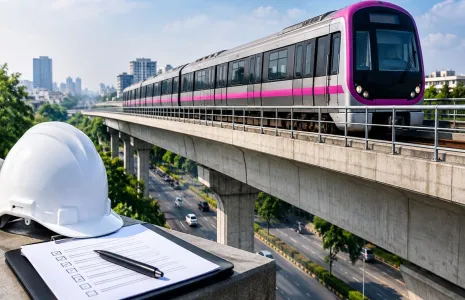
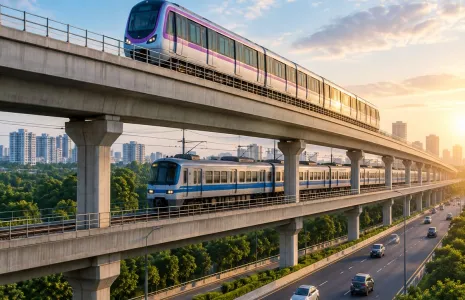
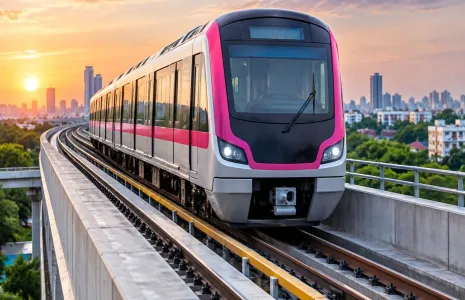
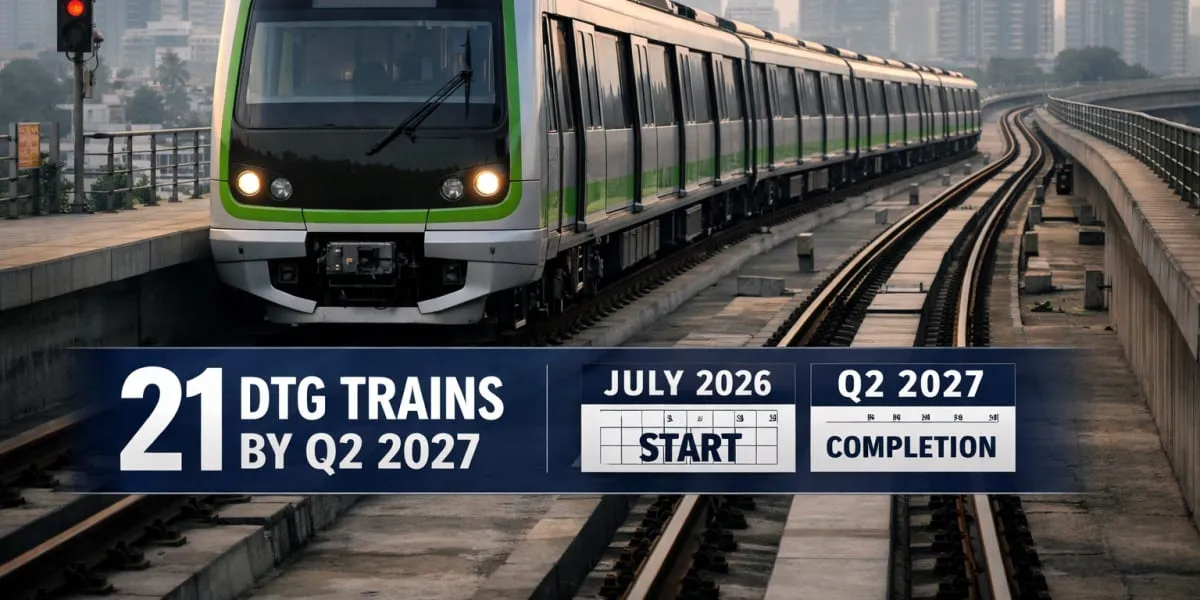
Bengaluru Metro will receive 21 DTG trains, with induction scheduled from July 2026 and completion by the second quarter of 2027. The addition of 21 trains is intended to expand the operational fleet and support increased service frequency across the network. Authorities have outlined the timeline to begin inductions in July 2026 and to finalise deliveries by the second quarter of 2027. The procurement forms part of efforts to strengthen urban rail capacity in the city.

Initial consignments are slated for testing and commissioning once they arrive, and integration into service will follow regulatory approvals and safety clearances. The operator will conduct compatibility assessments with existing signalling and depot infrastructure before full deployment. Training for technical and operations staff is planned to accompany the phased induction. Local maintenance teams will be engaged for familiarisation and spare parts supply chains will be carefully organised to support upkeep.

The new trains will be added to the existing Bengaluru Metro fleet to address rising passenger demand on key corridors and to reduce congestion during peak hours. Fleet augmentation is expected to enable more frequent services and to support long term network resilience. Maintenance regimes will be adjusted to accommodate the expanded rolling stock and to preserve service reliability. Ancillary works at depots and stations will be synchronised with induction schedules to minimise disruption.

The programme timeline indicates systematic delivery across the period through to the second quarter of 2027, with the first sets entering yards from July 2026. Urban transport planners are positioning the expansion as critical to improving modal share for public transit in the metropolitan area. Operational details and precise deployment maps will be published by the authority as the induction progresses. Commuters will be notified about phased timetable adjustments and interim service changes ahead of each induction to minimise inconvenience.

Bengaluru Metro will receive 21 DTG trains, with induction scheduled from July 2026 and completion by the second quarter of 2027. The addition of 21 trains is intended to expand the operational fleet and support increased service frequency across the network. Authorities have outlined the timeline to begin inductions in July 2026 and to finalise deliveries by the second quarter of 2027. The procurement forms part of efforts to strengthen urban rail capacity in the city. Initial consignments are slated for testing and commissioning once they arrive, and integration into service will follow regulatory approvals and safety clearances. The operator will conduct compatibility assessments with existing signalling and depot infrastructure before full deployment. Training for technical and operations staff is planned to accompany the phased induction. Local maintenance teams will be engaged for familiarisation and spare parts supply chains will be carefully organised to support upkeep. The new trains will be added to the existing Bengaluru Metro fleet to address rising passenger demand on key corridors and to reduce congestion during peak hours. Fleet augmentation is expected to enable more frequent services and to support long term network resilience. Maintenance regimes will be adjusted to accommodate the expanded rolling stock and to preserve service reliability. Ancillary works at depots and stations will be synchronised with induction schedules to minimise disruption. The programme timeline indicates systematic delivery across the period through to the second quarter of 2027, with the first sets entering yards from July 2026. Urban transport planners are positioning the expansion as critical to improving modal share for public transit in the metropolitan area. Operational details and precise deployment maps will be published by the authority as the induction progresses. Commuters will be notified about phased timetable adjustments and interim service changes ahead of each induction to minimise inconvenience.

Next Story
Equipment

MYCRANE Crosses 1,000 Customers in India

MYCRANE, the global platform for crane rental and purchase, has achieved major commercial milestones in India, reinforcing the country’s position as one of its fastest-growing strategic markets. The company has surpassed 1,000 registered customers and 1,000 crane suppliers nationwide, while completing more than 100 paid orders.The growth reflects rising adoption of digital procurement solutions across India’s construction, infrastructure, energy and industrial sectors. Equipment sourced through the platform is supporting projects across the country, with several leading contractors and EPC..

Next Story
Infrastructure Urban

AMTOE 2026 Opens Global Machine Tool Sourcing Hub

The Asian Machine Tool Online Exhibition 2026 (AMTOE 2026) has officially opened as a B2B sourcing platform connecting global buyers with verified Asian suppliers across the machine tool and manufacturing sector. The exhibition will run until 31 October 2026 through a hybrid online and offline model, offering extended sourcing and business networking opportunities.Co-organised by AsianNet and TradeAsia, the event aims to strengthen links between Asian manufacturers and international importers while improving cross-border procurement efficiency and supplier matching.Since launching in 2022, AMT..

Next Story
Infrastructure Energy

Vedanta Lifts Renewable Energy Use by Over 50%

On World Earth Day, Vedanta Limited announced that its renewable energy usage rose by over 50 per cent year on year to 3.97 billion units in FY26, helping avoid 3 million tonnes of carbon dioxide emissions.The company said its portfolio of metals, minerals, power, and oil & gas continues to support advanced manufacturing, electrification, energy transition and clean technology. Aluminium, copper and silver remain critical for applications such as mobility, power transmission, renewable infrastructure and solar photovoltaics, while iron, steel and zinc continue to support energy infrastruct..

Advertisement

Subscribe to Our Newsletter

Get daily newsletters around different themes from Construction world.

STAY CONNECTED

Advertisement

Advertisement

Advertisement