Chennai Metro Phase Two: CMRS Inspection Commenced For Corridor Four
RAILWAYS & METRO RAIL

Chennai Metro Phase Two: CMRS Inspection Commenced For Corridor Four

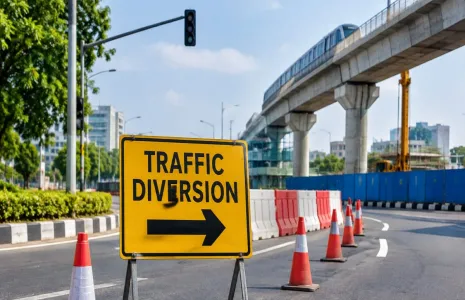
The Commissioner of Metro Rail Safety (CMRS) has commenced an inspection of Corridor Four of Chennai Metro Phase Two, officials said. The inspection is part of statutory safety certification required before any corridor is approved for commercial operations and covers structural works, track laying and platform readiness. The inspection aims to verify that construction quality and safety management meet statutory norms.

Chennai Metro Rail Limited (CMRL) has prepared the corridor for review, completing civil works and system integration. The inspection team is assessing signalling and telecommunications, power supply, traction and auxiliary systems, station systems and passenger amenities. Tests include trials of safety interlocks, emergency response systems and compatibility checks between rolling stock and track infrastructure. Officials indicated that any observations will be documented for rectification, and reporting mechanisms will record technical discrepancies and prioritise remedial work to ensure timely compliance.

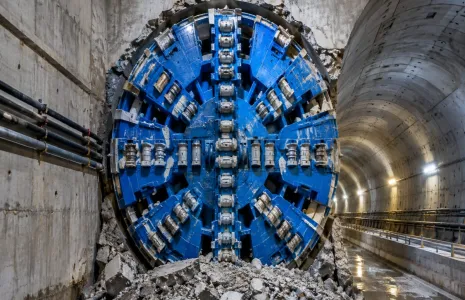
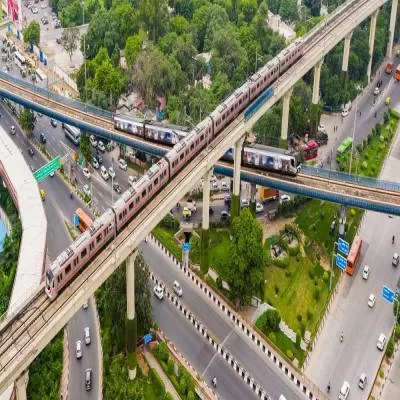
The CMRS review process involves detailed inspection of elevated and underground sections, ventilation, fire detection and suppression, as well as accessibility features for persons with reduced mobility. Trial runs and dynamic tests form part of the assessment to ensure operations meet regulatory safety thresholds. CMRS will evaluate documentation, maintenance protocols and staff training records as part of the comprehensive appraisal. The review will also consider operational readiness including signalling staff preparedness and contingency procedures.

Following completion of the inspection, CMRS will issue a report outlining findings and recommending any remedial actions, after which CMRS may grant a safety certificate subject to compliance. Once certification is received, Chennai Metro Phase Two Corridor Four could move towards commercial operations, enhancing urban connectivity and reducing road congestion. Local authorities and CMRL will coordinate on communication to commuters regarding any service changes during final commissioning. Authorities expect the corridor to improve commuter options and support sustainable urban transport objectives.

The Commissioner of Metro Rail Safety (CMRS) has commenced an inspection of Corridor Four of Chennai Metro Phase Two, officials said. The inspection is part of statutory safety certification required before any corridor is approved for commercial operations and covers structural works, track laying and platform readiness. The inspection aims to verify that construction quality and safety management meet statutory norms. Chennai Metro Rail Limited (CMRL) has prepared the corridor for review, completing civil works and system integration. The inspection team is assessing signalling and telecommunications, power supply, traction and auxiliary systems, station systems and passenger amenities. Tests include trials of safety interlocks, emergency response systems and compatibility checks between rolling stock and track infrastructure. Officials indicated that any observations will be documented for rectification, and reporting mechanisms will record technical discrepancies and prioritise remedial work to ensure timely compliance. The CMRS review process involves detailed inspection of elevated and underground sections, ventilation, fire detection and suppression, as well as accessibility features for persons with reduced mobility. Trial runs and dynamic tests form part of the assessment to ensure operations meet regulatory safety thresholds. CMRS will evaluate documentation, maintenance protocols and staff training records as part of the comprehensive appraisal. The review will also consider operational readiness including signalling staff preparedness and contingency procedures. Following completion of the inspection, CMRS will issue a report outlining findings and recommending any remedial actions, after which CMRS may grant a safety certificate subject to compliance. Once certification is received, Chennai Metro Phase Two Corridor Four could move towards commercial operations, enhancing urban connectivity and reducing road congestion. Local authorities and CMRL will coordinate on communication to commuters regarding any service changes during final commissioning. Authorities expect the corridor to improve commuter options and support sustainable urban transport objectives.

Related Stories

Gold Stories

Next Story
Infrastructure Urban

KONE Opens India's First Digital Experience Centre in Pune

KONE, a global elevator and escalator manufacturer, has inaugurated its first Digital Experience Centre (DEC) in India, located in Pune. The facility aims to showcase how artificial intelligence (AI), connectivity and data-driven technologies can enhance customer experiences and improve building operations.The centre was inaugurated by Jussi Herlin, Executive Vice Chair, KONE Corporation; Philippe Delorme, President and CEO, KONE; and Nandan Nilekani, Co-founder and Chairman of the Board, Infosys.Designed as an interactive customer environment, the facility demonstrates digital solutions cover..

Next Story
Infrastructure Urban

CII GreenCo Launches Circularity Guidelines for Indian Industry

The Confederation of Indian Industry (CII) GreenCo Council has launched the CII GreenCo Circularity Guidelines – Pilot Version at the 17th CII GreenCo Waste & Resource Management Summit 2026 in Chennai. The initiative aims to strengthen resource efficiency, waste reduction and circular economy practices across Indian manufacturing and process industries.The guidelines introduce a structured framework with circularity indices covering raw materials, consumables, packaging and other resource inputs. These indicators will help industries assess existing practices, identify opportunities to ..

Next Story
Infrastructure Energy

Global Electronics Association Launches IPC-1783-CO2E Standard

The Global Electronics Association has introduced IPC-1783-CO2E, a new international standard aimed at improving consistency, transparency and comparability in product carbon footprint reporting across the electronics manufacturing industry.The standard, titled International Standard for Data Collection and Reporting of CO2 Equivalent (CO2e) Emissions for the Electronics Manufacturing Supply Chain, provides industry-specific guidance for collecting, estimating and reporting carbon emissions data.With increasing regulatory requirements and customer expectations, electronics manufacturers face c..

Advertisement

Subscribe to Our Newsletter

Get daily newsletters around different themes from Construction world.

STAY CONNECTED

Advertisement

SPECIAL OFFER
QR Code