Delhi Metro Phase V-B Adds 97 km And 65 Stations
RAILWAYS & METRO RAIL

Delhi Metro Phase V-B Adds 97 km And 65 Stations

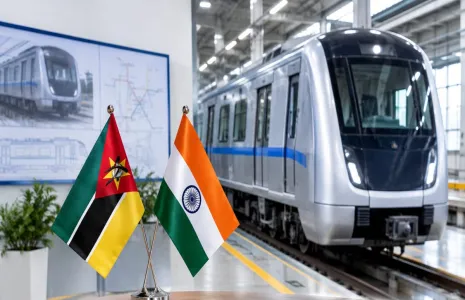
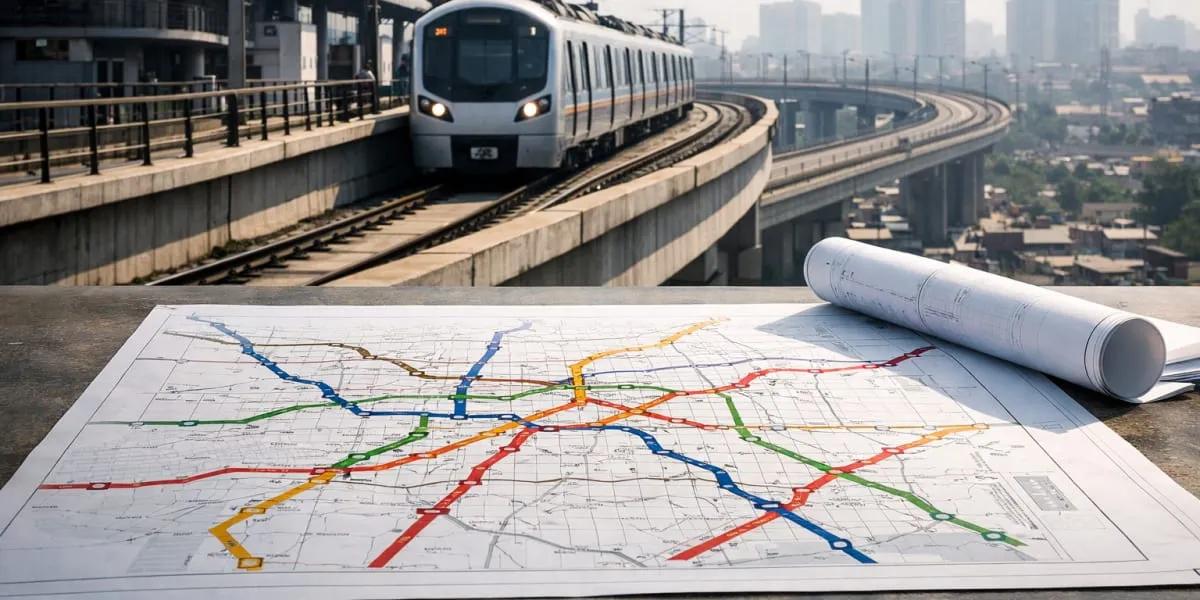
The Delhi Metro Rail Corporation (DMRC) has unveiled a Phase V-B expansion plan that will add 97 km to the metro network across seven new corridors and 65 stations. The programme seeks to extend rapid transit reach across the capital region and improve interchange options with existing lines. DMRC described the project as a major augmentation of urban mobility infrastructure. The plan is presented as a continuation of earlier phases of network development.

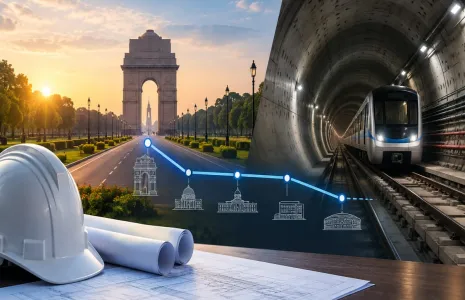
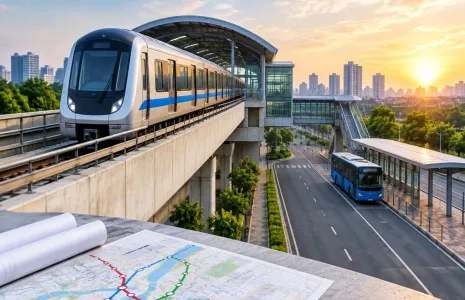
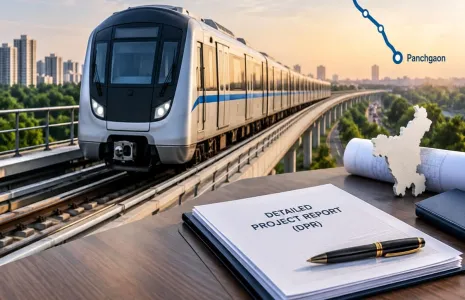
Seven corridors span a mix of elevated and underground alignments designed to link residential, commercial and industrial zones. The addition of 65 stations will create new access points and reduce first and last mile gaps for commuters. Design work and detailed project reports were cited as part of the planning process. Authorities indicated that coordination with municipal agencies will be integral to land acquisition and integration of feeder services.

Planners said the expanded network would ease congestion on arterial corridors and provide more direct journeys for many commuters. Interchanges with existing lines are planned to enhance network resilience and distribute passenger flows more evenly. Construction timelines and funding models were not detailed in the summary material supplied with the announcement. Project management will include phased commissioning to limit disruption to current services.

The Phase V-B proposal adds substantial network capacity and follows previous stages of metro expansion across the region. Stakeholders will monitor delivery milestones and operational readiness as the project moves through approvals and implementation. The announcement underscores continued investment in public transport infrastructure to support urban growth and connectivity. Further technical and financial details are to be published by the Delhi Metro Rail Corporation in due course.

The Delhi Metro Rail Corporation (DMRC) has unveiled a Phase V-B expansion plan that will add 97 km to the metro network across seven new corridors and 65 stations. The programme seeks to extend rapid transit reach across the capital region and improve interchange options with existing lines. DMRC described the project as a major augmentation of urban mobility infrastructure. The plan is presented as a continuation of earlier phases of network development. Seven corridors span a mix of elevated and underground alignments designed to link residential, commercial and industrial zones. The addition of 65 stations will create new access points and reduce first and last mile gaps for commuters. Design work and detailed project reports were cited as part of the planning process. Authorities indicated that coordination with municipal agencies will be integral to land acquisition and integration of feeder services. Planners said the expanded network would ease congestion on arterial corridors and provide more direct journeys for many commuters. Interchanges with existing lines are planned to enhance network resilience and distribute passenger flows more evenly. Construction timelines and funding models were not detailed in the summary material supplied with the announcement. Project management will include phased commissioning to limit disruption to current services. The Phase V-B proposal adds substantial network capacity and follows previous stages of metro expansion across the region. Stakeholders will monitor delivery milestones and operational readiness as the project moves through approvals and implementation. The announcement underscores continued investment in public transport infrastructure to support urban growth and connectivity. Further technical and financial details are to be published by the Delhi Metro Rail Corporation in due course.

Next Story
Infrastructure Energy

India Adds Record 44.61 GW Solar Capacity in FY2026

India’s solar sector reached a milestone in FY2026, with cumulative installed capacity crossing 150 GW and annual additions hitting a record 44.61 GW, exceeding the government target of 34 GW and nearly doubling FY2025’s 23.83 GW. Distributed Renewable Energy contributed 16.3 GW, while PPA and C&I segments accounted for 34 per cent and 30 per cent, respectively.India has risen from 9th globally in 2015 to 3rd in cumulative solar capacity by 2025 and is set to become the world’s second-largest solar market in annual installations in 2026. Seven states, led by Rajasthan and Gujarat, ac..

Next Story
Real Estate

Abhee Ventures unveils Scottish-themed 45-acre township in Bengaluru

Abhee Ventures, a leading South Indian real estate developer, has announced “Codename New Dimension,” a 45-acre Scottish-themed residential township at Gunjur on Whitefield–Sarjapur Road, Bengaluru. Strategically located between Whitefield and Sarjapur Road, Gunjur benefits from strong connectivity to the Outer Ring Road IT corridor, ITPL, EPIP, the upcoming Dommasandra Metro Station, and the proposed SWIFT City and Peripheral Ring Road.The township, designed in collaboration with London-based UHA London and India’s RSP Architects, offers low-density living with 85 per cent open spaces..

Next Story
Infrastructure Urban

Hindalco unveils Eternia experience centre for high-performance aluminium windows

Hindalco Industries, the metals flagship of the Aditya Birla Group, has launched its Eternia experience centre in Lajpat Nagar, New Delhi, highlighting its high-performance aluminium window systems designed for India’s evolving construction sector. The company is also expanding its manufacturing footprint in North India with a new Bilaspur facility.Eternia has emerged as one of the fastest-growing brands in system aluminium windows, registering nearly 65 per cent CAGR over the last three years. With a nationwide network of 170+ channel partners across 100+ cities, the brand serves homeowners..

Advertisement

Subscribe to Our Newsletter

Get daily newsletters around different themes from Construction world.

STAY CONNECTED

Advertisement

Advertisement

Advertisement

-->