Delhi Metro Plans Golden Line Extension In South Delhi
RAILWAYS & METRO RAIL

Delhi Metro Plans Golden Line Extension In South Delhi

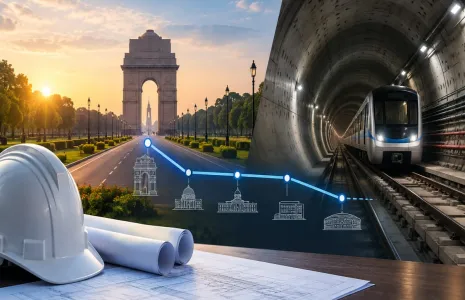
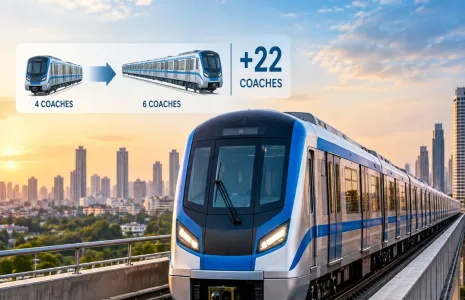
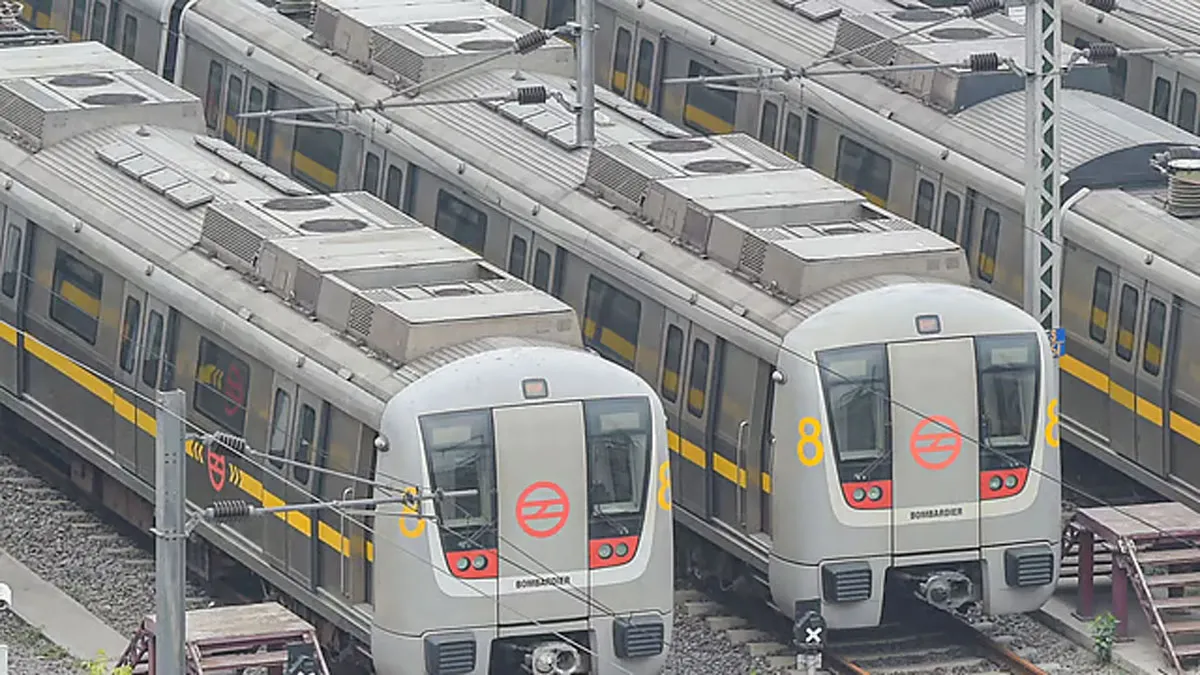
Delhi Metro Rail Corporation is planning to further strengthen urban connectivity with a proposed extension of the Golden Line, a move expected to improve travel speed and accessibility across parts of South and South-East Delhi.

The proposed expansion is aimed at easing daily commuting, enhancing last-mile connectivity and reducing pressure on road networks in some of the capital’s most densely populated neighbourhoods. Officials said the new corridor will make public transport a more convenient and dependable option for a large number of commuters.

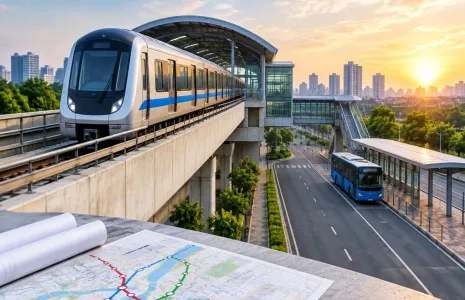
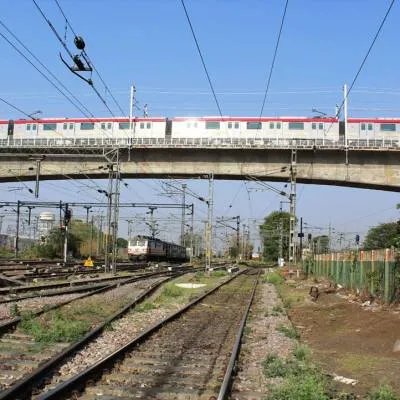
The Tughlakabad–Kalindi Kunj corridor is planned as a 3.9 km fully elevated stretch, enabling faster and more efficient metro operations. Designed as part of the Golden Line expansion, the corridor will facilitate seamless movement between key residential areas and major transit hubs.

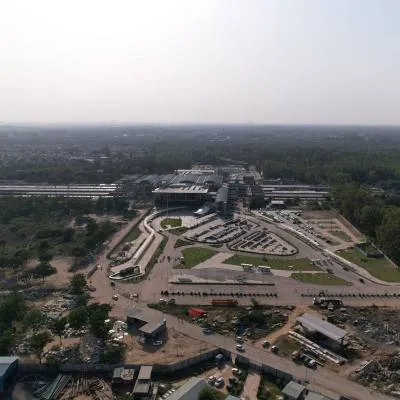
The new section will include four stations — Tughlakabad, Sarita Vihar Depot, Madanpur Khadar and Kalindi Kunj — improving metro access for surrounding localities. These stations are expected to benefit thousands of daily commuters by linking residential clusters with commercial areas and existing transport infrastructure.

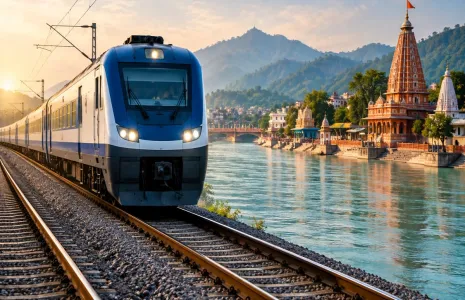
A notable feature of the extension is its direct connectivity to the Yamuna riverfront via the Kalindi Kunj stretch, which is expected to improve access to nearby recreational zones and transit points. By encouraging a shift from private vehicles to the metro, the corridor is likely to ease traffic congestion and help reduce vehicular emissions.

For commuters, the Golden Line extension is expected to deliver shorter travel times, greater reliability and improved access to public transport in South and South-East Delhi. The project also aligns with Delhi Metro’s broader objective of promoting sustainable, low-carbon and environment-friendly urban mobility.

Delhi Metro Rail Corporation is planning to further strengthen urban connectivity with a proposed extension of the Golden Line, a move expected to improve travel speed and accessibility across parts of South and South-East Delhi. The proposed expansion is aimed at easing daily commuting, enhancing last-mile connectivity and reducing pressure on road networks in some of the capital’s most densely populated neighbourhoods. Officials said the new corridor will make public transport a more convenient and dependable option for a large number of commuters. The Tughlakabad–Kalindi Kunj corridor is planned as a 3.9 km fully elevated stretch, enabling faster and more efficient metro operations. Designed as part of the Golden Line expansion, the corridor will facilitate seamless movement between key residential areas and major transit hubs. The new section will include four stations — Tughlakabad, Sarita Vihar Depot, Madanpur Khadar and Kalindi Kunj — improving metro access for surrounding localities. These stations are expected to benefit thousands of daily commuters by linking residential clusters with commercial areas and existing transport infrastructure. A notable feature of the extension is its direct connectivity to the Yamuna riverfront via the Kalindi Kunj stretch, which is expected to improve access to nearby recreational zones and transit points. By encouraging a shift from private vehicles to the metro, the corridor is likely to ease traffic congestion and help reduce vehicular emissions. For commuters, the Golden Line extension is expected to deliver shorter travel times, greater reliability and improved access to public transport in South and South-East Delhi. The project also aligns with Delhi Metro’s broader objective of promoting sustainable, low-carbon and environment-friendly urban mobility.

Next Story
Infrastructure Transport

MMRDA advances 250 m on Orange Gate–Marine Drive tunnel

The Mumbai Metropolitan Region Development Authority (MMRDA) has completed 250 m of underground tunnelling for the Orange Gate–Marine Drive Urban Road Tunnel using India’s largest slurry shield tunnel boring machine (TBM) deployed for an urban road project.The project involves twin tunnels extending over 7 km beneath critical transport corridors, including Central Railway, Western Railway and Metro Line 3. The work requires high-precision engineering to navigate densely developed urban infrastructure.Once completed, the tunnel is expected to reduce travel time between Orange Gate and Marin..

Next Story
Infrastructure Urban

Hindustan Zinc Pays Rs 188.46 Billion in FY26

Hindustan Zinc contributed Rs 188.46 billion to the public exchequer in FY 2025-26, according to its 9th Tax Transparency Report. The contribution, equivalent to 46 per cent of the company’s revenue, included direct and indirect taxes, government royalties, dividends to the Government of India, withholding taxes and other statutory levies.The company’s five-year cumulative contribution to the exchequer stood at Rs 915.72 billion. In FY26, Hindustan Zinc reported revenue of Rs 408.44 billion, EBITDA of Rs 221.62 billion and profit after tax of Rs 138.32 billion. It also achieved its highest..

Next Story
Infrastructure Urban

World of Concrete India 2026 Opens in Mumbai

Informa Markets in India will host the 12th edition of World of Concrete India 2026 from 3–5 June 2026 at the Bombay Exhibition Centre, Mumbai. The specialised B2B exhibition will bring together manufacturers, suppliers, contractors, developers, architects, consultants, infrastructure companies, project leaders and government stakeholders.The event is expected to feature over 350 brands and more than 18,000 trade professionals. It will cover concrete and cement, dry mortar, precast technologies, formwork, construction chemicals, industrial and commercial flooring, scaffolding, safety solutio..

Advertisement

Subscribe to Our Newsletter

Get daily newsletters around different themes from Construction world.

STAY CONNECTED

Advertisement

Advertisement

Advertisement